
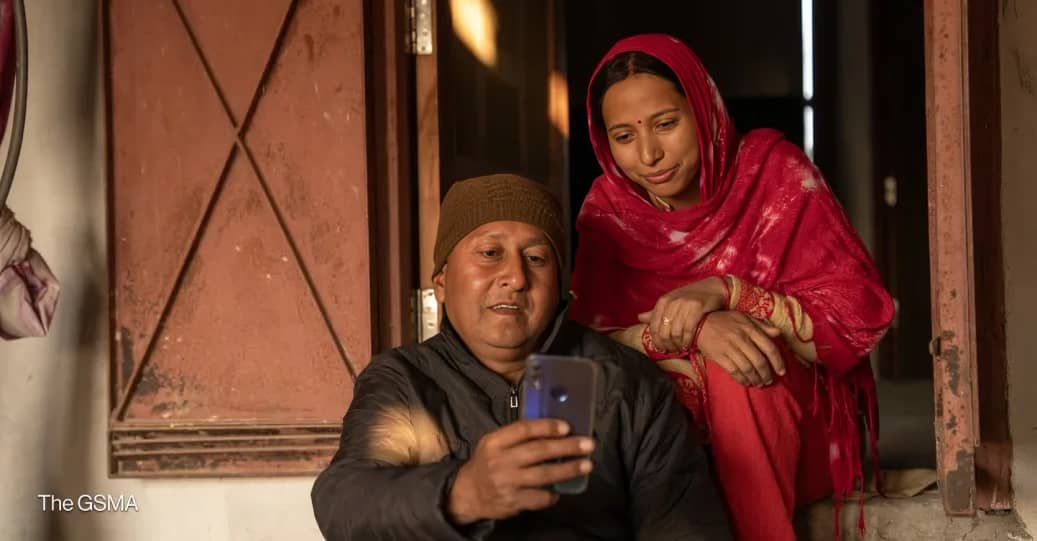
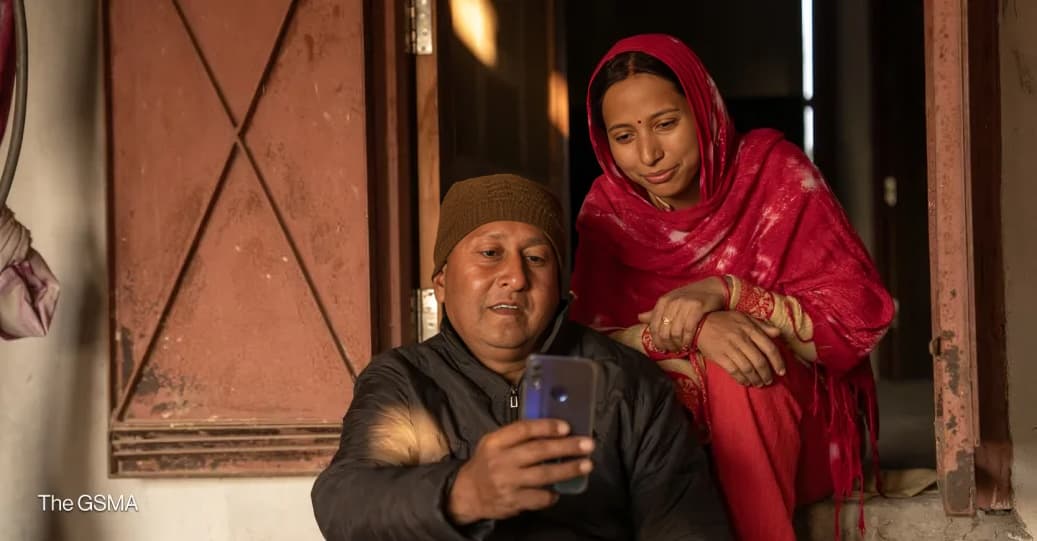
An estimated 3.4 billion people across the globe remain without access to mobile internet, resulting in a potential 3 trillion dollar shortfall in global economic output, according to data released by the GSMA. The findings underline a persistent digital divide between network availability and actual internet usage.
Mobile network infrastructure today covers the vast majority of the world’s population. However, access does not necessarily translate into connectivity. Of the 3.4 billion individuals who remain offline, roughly 300 million live in areas without any mobile network coverage. The remaining 3.1 billion people reside within covered regions but do not actively use mobile internet services. This disparity is commonly referred to as the usage gap.
The issue was highlighted during discussions at Web Summit Qatar, where policymakers and industry leaders examined the economic consequences of limited digital inclusion. Qatar was cited as an example of rapid digital infrastructure expansion. Through regulatory measures that reduced spectrum related costs for operators while mandating extensive coverage obligations, Qatar has developed dense nationwide 5G networks. As a result, mobile internet penetration in the country is projected to approach 80 percent.
In contrast, several lower income nations face structural challenges that slow digital adoption. According to international media reports, countries such as Jordan, Tunisia, Egypt, Morocco and Algeria may see penetration levels reach only 20 to 30 percent by 2030. Limited affordability, economic constraints and infrastructure gaps contribute to these projections.
Cost remains the primary barrier preventing wider adoption. For many households in developing economies, smartphones and data plans represent a significant portion of monthly income. Beyond affordability, other obstacles include limited digital literacy, insufficient locally relevant online content and a reliance on intermittent public Wi Fi connections instead of consistent mobile data services.
Experts suggest that bridging the usage gap could significantly enhance global economic growth. Expanded internet access has been linked to increased productivity, improved access to education, broader financial inclusion and growth in digital commerce. Small businesses, women entrepreneurs and rural communities are among those who could benefit most from improved connectivity.
The GSMA estimates that narrowing the connectivity divide could unlock trillions of dollars in additional global GDP over the coming years. Policymakers and telecommunications providers are therefore exploring measures to reduce device costs, promote digital skills training and encourage investment in infrastructure.
As digital transformation accelerates worldwide, ensuring equitable access to mobile internet remains a central challenge. Addressing both coverage and usage barriers will be critical to narrowing the global digital divide and supporting inclusive economic development.


