
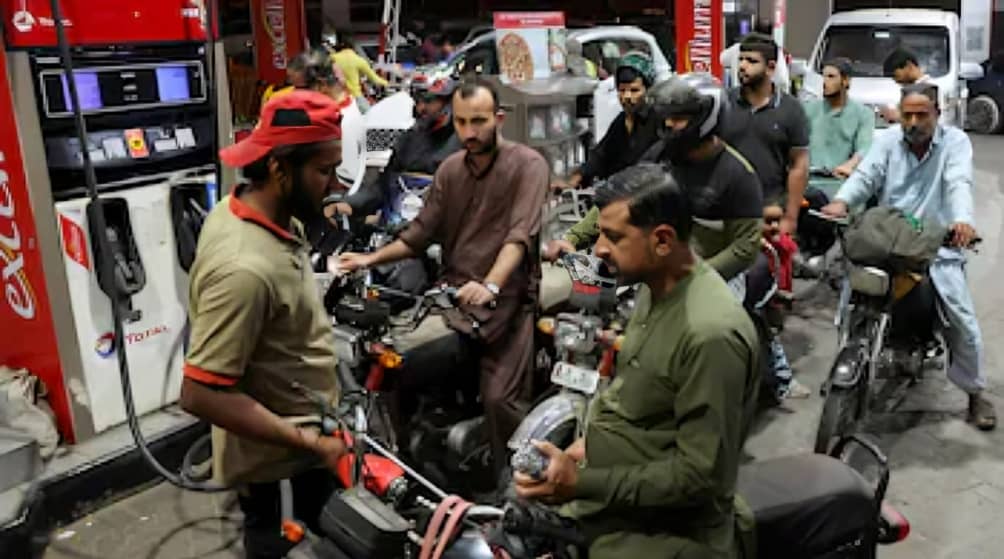
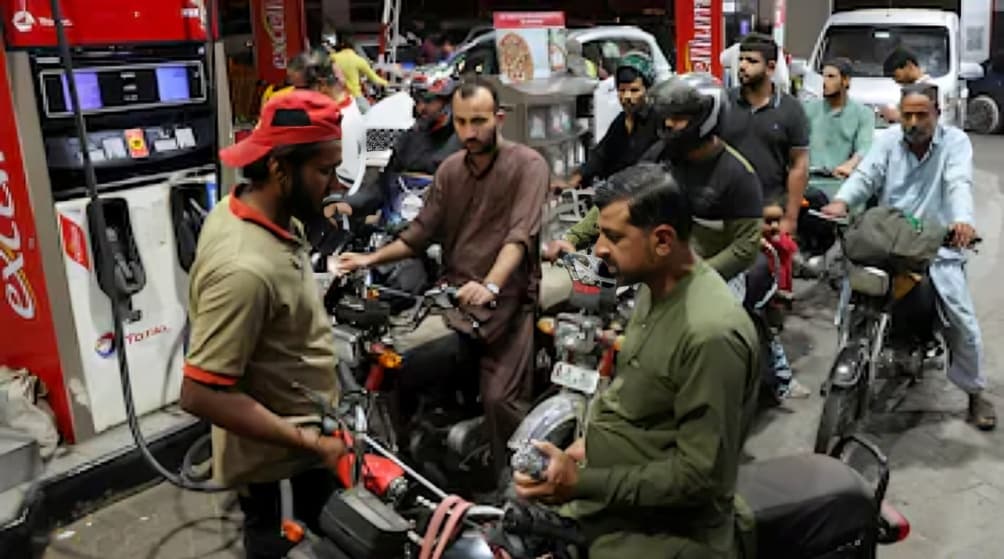
Pakistan is currently dealing with a major economic challenge as it attempts to balance commitments made to the International Monetary Fund with the growing financial pressure on its citizens during Ramadan. Rising fuel prices have become a central issue, forcing the government to carefully evaluate whether to continue with IMF backed economic reforms or provide temporary relief to the public.
The Pakistani government entered into an agreement with the International Monetary Fund to stabilize the country's struggling economy. As part of this agreement, Pakistan committed to maintaining strict fiscal discipline, reducing subsidies, and ensuring that fuel prices reflect international market rates. These conditions are meant to help reduce the country's fiscal deficit and restore confidence among international lenders and investors.
However, the timing of rising fuel prices has created a difficult situation. Ramadan is a month when household spending usually increases. Families spend more on food and transportation, and businesses also face higher demand. With fuel prices climbing, transportation costs and the prices of essential goods are increasing, placing additional strain on households already dealing with high inflation.
Many citizens and political leaders have urged the government to offer temporary fuel price relief during Ramadan. They argue that people are already facing rising costs of living and that easing fuel prices even for a short period would help millions of families manage their daily expenses. Public pressure has grown across several regions, with calls for the government to prioritize citizens during the holy month.
On the other hand, economic experts warn that offering fuel subsidies could complicate Pakistan’s relationship with the International Monetary Fund. The IMF has consistently advised Pakistan to avoid large subsidies because they can increase the fiscal deficit and weaken ongoing economic reforms. If Pakistan deviates from agreed financial policies, it could delay future loan disbursements that are crucial for maintaining foreign exchange reserves and stabilizing the national economy.
Government officials are therefore exploring several possible options. One option is to maintain the current fuel pricing policy while providing targeted financial support to low income households. Another approach could involve adjusting certain taxes temporarily without violating IMF agreements. These measures are being studied carefully to ensure that the government does not compromise its economic commitments while still offering some form of relief to citizens.
The debate highlights the broader economic difficulties Pakistan is currently facing. High inflation, currency depreciation, and rising import costs have already put pressure on the national economy. Fuel prices play a critical role because they influence transportation, electricity generation, and the cost of many basic goods.
As Ramadan continues, the government’s decision will be closely watched by citizens, economists, and international financial institutions. The outcome will not only affect fuel prices but also signal how Pakistan plans to balance economic reform with social welfare during challenging financial times.


