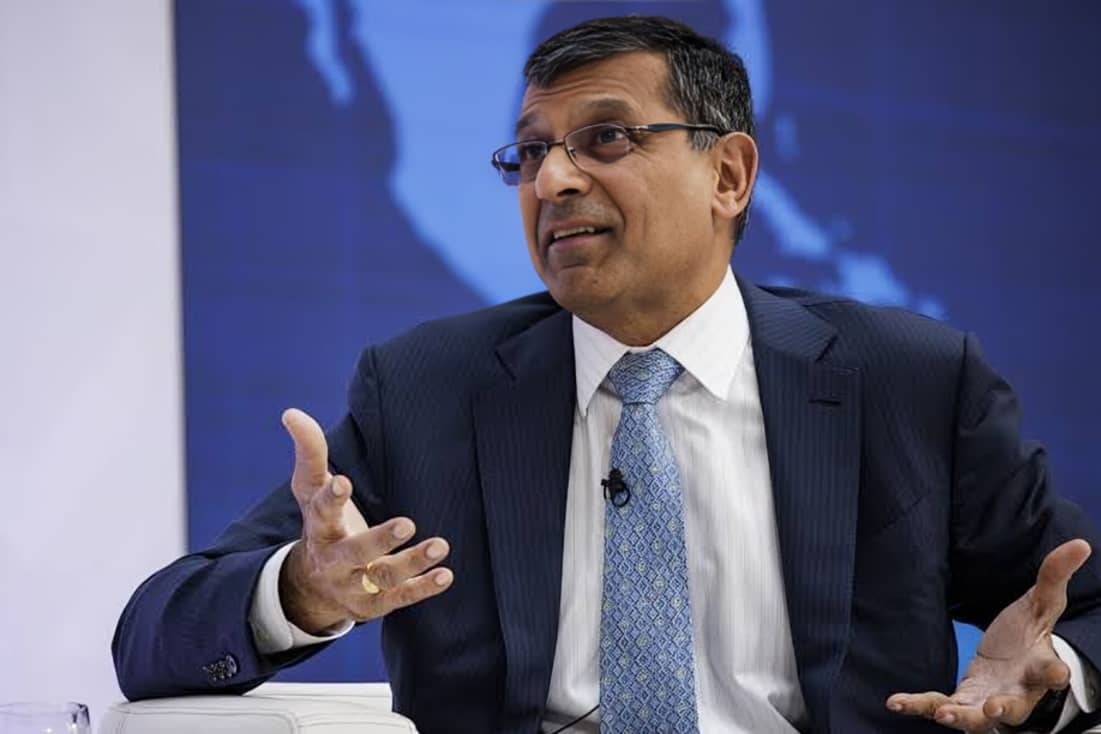
Former Reserve Bank of India Governor Raghuram Rajan has raised questions about the relationship between India’s strong economic growth and employment generation, arguing that the latest GDP numbers should also be examined alongside indicators such as job creation, domestic investment and foreign portfolio inflows.
Rajan’s comments came after the Indian economy recorded real GDP growth of 7.8 percent in the April to June quarter of financial year 2026 27. The growth rate was higher than the 7.1 percent forecast in a Reuters poll and reflected strong activity in areas including manufacturing, investment and consumer demand. However, the latest GDP figures have triggered a wider debate among economists and former officials about the methodology used to calculate growth and whether the headline number fully captures conditions across the economy.
Rajan questioned why the strong GDP growth rate was not accompanied by stronger results in job creation, domestic investment and foreign portfolio inflows. His comments have added another dimension to the ongoing discussion over India’s economic performance.
The former RBI governor’s argument is centred on the quality and impact of economic growth rather than GDP growth alone. A high GDP growth rate indicates that economic output is expanding, but employment generation is another important measure of whether that expansion is creating opportunities for workers. Rajan has therefore questioned whether the current growth pattern is producing sufficient employment, particularly for India’s large working age population.
The issue of employment data has also attracted attention from former Infosys Chief Financial Officer Mohandas Pai. Pai criticised the absence of regular monthly employment figures from the Employees’ Provident Fund Organisation. In a social media post, he argued that monthly EPFO data had previously provided information on new jobs, including details by gender, age group, industry and state. He called for the reporting system to be revived.
Pai’s comments came amid the wider debate over the credibility and interpretation of economic data. He said the absence of regular monthly employment information could contribute to competing narratives about the state of India’s job market. His position was that more frequent and detailed employment data would allow policymakers, economists and the public to better assess the actual pace of job creation.
The discussion is particularly relevant because India’s economic expansion is taking place alongside a large and growing labour force. For sustained economic development, growth needs to generate productive employment and improve incomes. Manufacturing, construction, services and other labour intensive sectors are therefore important to the broader economic strategy.
The latest GDP figures themselves have also been the subject of debate. India’s statistics ministry has defended the new GDP series and the methodology used to calculate the latest growth numbers. The government has said that changes introduced to the national accounts methodology were designed to provide a more accurate representation of economic activity.
The revised GDP series includes changes to the base year, data sources and the way economic activity is measured. The government has argued that comparisons should be made using figures from the same statistical series. This point has become important because critics have compared the latest figures with earlier estimates produced under the previous GDP series.
According to the latest official figures, real GDP increased by 7.8 percent in the first quarter of FY27 compared with the same quarter of the previous year. The stronger than expected performance was supported by investment activity, manufacturing and consumer demand. Other high frequency indicators have also shown strength in some areas. Reuters reported that automobile sales increased sharply in August, bank credit growth was strong and net direct tax revenue also recorded significant year on year growth.
At the same time, some indicators have raised questions about the broader economic picture. Reuters noted that the Purchasing Managers’ Index, a survey based indicator, had weakened to multi year lows. Economists have also debated the GDP deflator, which is used to adjust nominal GDP for price changes and derive real growth. Some economists have questioned whether the relatively low deflator adequately reflects price pressures in the economy.
These differences explain why the latest GDP data has generated discussion beyond the headline 7.8 percent growth figure. Supporters of the official numbers point to other economic indicators that suggest continued strength, while critics argue that employment and investment trends should also be considered when evaluating the overall performance of the economy.
Rajan’s comments therefore focus on an important policy question: whether India’s economic growth is sufficiently broad based and employment intensive. GDP measures the value of goods and services produced in the economy, but it does not by itself show how many jobs are being created or how income gains are distributed among different sections of the population.
For a country such as India, employment generation is particularly important because millions of people enter the workforce every year. Economists have repeatedly highlighted the need for greater opportunities in manufacturing, modern services and other productive sectors that can absorb workers at different skill levels.
The availability of reliable employment statistics is also important for policymaking. Monthly data can provide a more frequent picture of labour market changes, while quarterly and annual indicators can provide a broader assessment of employment trends. Pai’s call for the return of monthly EPFO job data reflects this demand for more regular information.
However, EPFO payroll data has limitations and should not be treated as a complete measure of total employment in India. It primarily captures formal payroll activity covered by the EPFO system and therefore does not fully represent informal employment or all forms of self employment. A comprehensive assessment of India’s labour market requires multiple sources of information.
The current debate is consequently not simply about whether India is growing. The official data indicates that the economy expanded strongly in the first quarter of FY27. The discussion is about what that growth means for employment, investment and household economic conditions.
Rajan’s questions have added pressure to the broader debate because they focus on whether the benefits of economic expansion are visible in other important indicators. Pai’s comments similarly highlight the importance of transparent and regular employment statistics.
The government, meanwhile, has defended the GDP estimates and the methodology behind the revised national accounts. Officials have argued that the new statistical framework incorporates updated data sources and methodological improvements and that comparisons between different GDP series can produce misleading conclusions.
The disagreement therefore involves both the measurement of economic growth and the interpretation of what that growth means for the wider economy. While the official GDP figure remains 7.8 percent for Q1 FY27, economists and former officials continue to examine whether employment, investment and other indicators are moving in line with the headline growth rate.
For readers and policymakers, the debate underlines the importance of looking beyond a single economic indicator. GDP growth, employment, investment, wages, productivity and household demand together provide a broader picture of economic conditions.
India’s latest GDP performance remains strong by headline measures, but questions about employment generation are likely to remain central to the economic discussion. The availability of timely and detailed job data could help provide a clearer picture of whether economic expansion is translating into sufficient employment opportunities.
Raghuram Rajan’s comments and Mohandas Pai’s call for more regular employment data have therefore brought jobs back into the centre of the GDP debate. Their views represent criticism and questions surrounding the current economic picture, while the government continues to defend the official GDP methodology and growth estimates. The discussion is expected to continue as more economic and employment data becomes available.