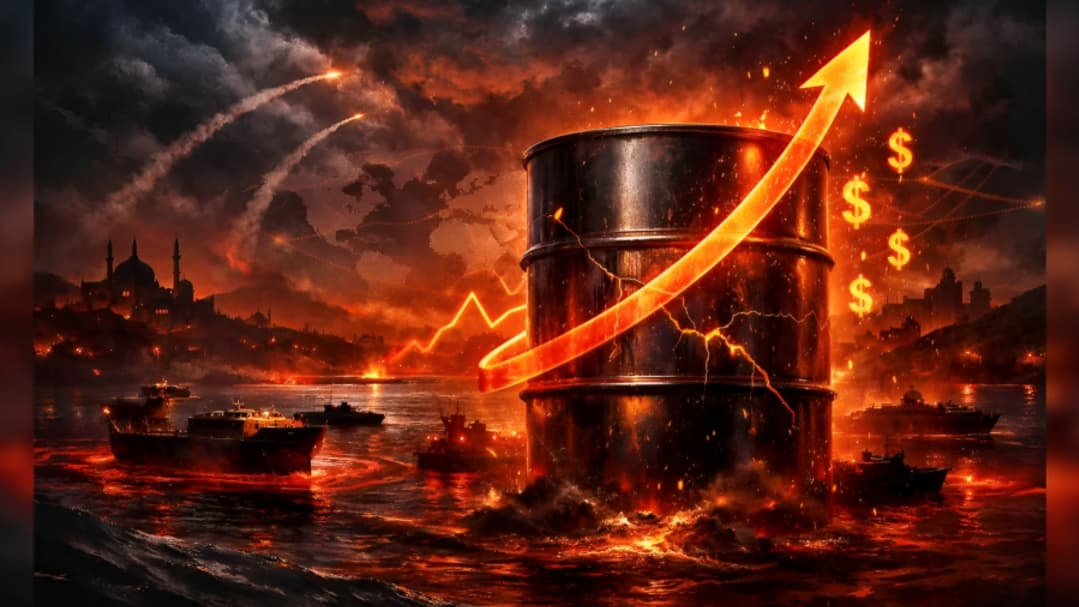
Fuel prices in Pakistan have seen a significant increase following a rise in global crude oil rates linked to ongoing tensions involving Iran. The development has led to concerns about inflation and the broader economic impact on citizens, as higher fuel costs often translate into increased prices for goods and services.
The surge in global crude oil prices has been attributed to uncertainty in international markets, where geopolitical developments can influence supply and demand dynamics. In such situations, countries that rely heavily on imported oil are particularly affected. Pakistan, which imports a substantial portion of its energy requirements, is facing the consequences of these external factors.
The increase in petrol and diesel prices is expected to have a cascading effect on the economy. Transportation costs are likely to rise, which can impact the pricing of essential commodities. Businesses may also face higher operational expenses, potentially leading to adjustments in production and distribution strategies. For households, the immediate impact is felt through higher daily expenses, adding pressure to already strained budgets.
At the same time, Pakistan is reportedly involved in diplomatic efforts aimed at reducing regional tensions. The country’s role in facilitating dialogue and promoting stability has been highlighted in recent discussions. While such efforts are important for long term peace, the immediate economic challenges remain a concern for citizens.
Economic analysts note that fluctuations in global oil prices are a recurring challenge for many countries. Governments often need to balance fiscal considerations with the need to protect consumers from sudden price increases. In some cases, measures such as subsidies or tax adjustments are considered to manage the impact. However, these options can have implications for government finances.
The situation also underscores the interconnected nature of global economies. Events in one region can have far reaching effects, influencing markets and economic conditions in other parts of the world. For Pakistan, managing the impact of rising fuel prices will require careful policy decisions and effective communication with the public.
In addition to economic measures, there may be a focus on exploring alternative energy sources and improving energy efficiency. Reducing dependence on imported fuel can help mitigate the impact of global price fluctuations over time. Investments in renewable energy and infrastructure development are often seen as long term solutions to such challenges.
The current scenario is likely to remain under close observation by policymakers, industry stakeholders and the public. The balance between addressing immediate economic concerns and participating in regional diplomatic efforts will be an important aspect of the government’s approach.
As global conditions continue to evolve, the impact on fuel prices and the broader economy will depend on multiple factors, including market trends and geopolitical developments. For now, the increase in fuel costs highlights the challenges faced by countries navigating both economic and political pressures.