
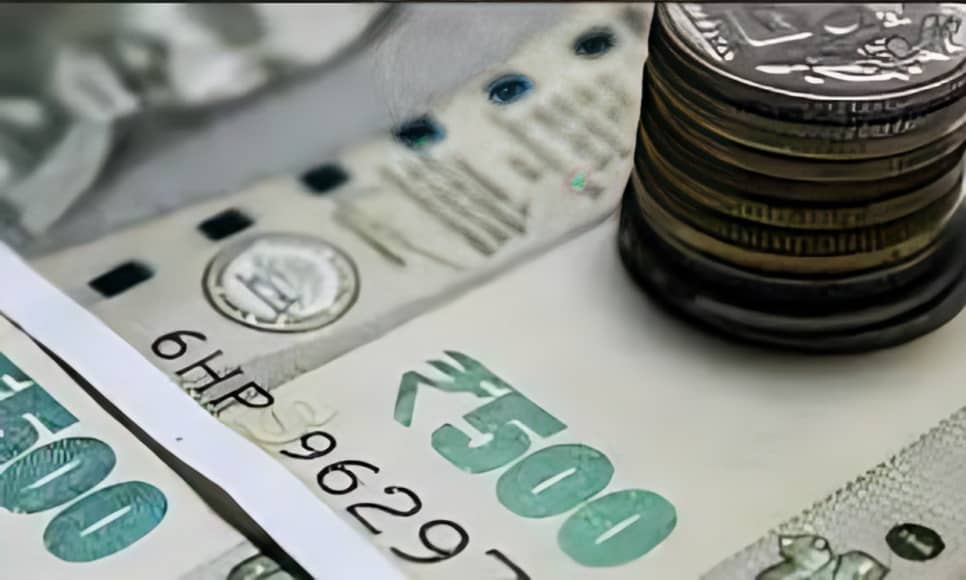
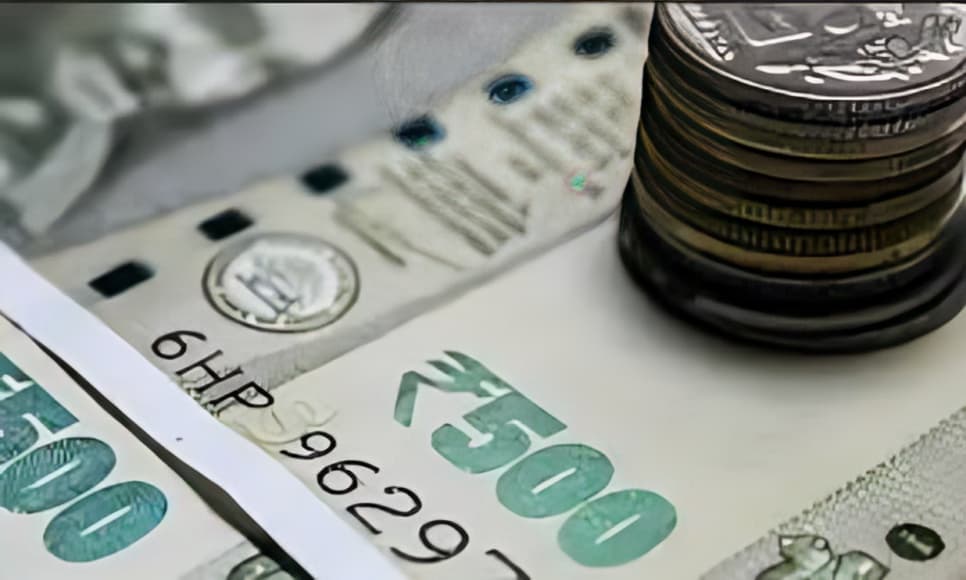
The Indian rupee fell to a new historic low on Thursday, breaching the psychologically important 92 per dollar level as pressure from foreign portfolio outflows and corporate demand for dollars outweighed the positives of a strong domestic growth outlook. The move marked a continuation of the currency’s recent weakness and highlighted growing concerns in global markets over trade tensions and capital flow volatility.
The rupee slipped beyond its previous record low of 91.9650, which had been recorded just a week earlier. Market participants said the decline reflected persistent dollar demand from importers and exporters seeking to hedge future payments, alongside reduced foreign investment inflows into Indian equities and bonds.
Despite India remaining one of the fastest growing major economies, currency sentiment has remained fragile. Official data showed India’s gross domestic product expanding by 8.2 percent in the quarter ended September 30, yet the strength of economic growth has not translated into near term support for the rupee.
Analysts point to several factors weighing on the currency. So far this year, the rupee has weakened by around 2 percent, with losses accelerating to nearly 5 percent since the announcement of higher tariffs on Indian merchandise exports by the United States. These tariffs have added pressure on export competitiveness and heightened concerns about India’s trade balance.
Foreign portfolio investors have also trimmed exposure to emerging markets amid global uncertainty, contributing to dollar demand and weakening local currencies. In India’s case, these outflows have coincided with strong corporate hedging activity, as companies move to protect themselves against further currency depreciation.
The rupee’s fall has renewed attention on the Reserve Bank of India’s possible response. While the central bank does not target a specific exchange rate, it has historically intervened in the foreign exchange market to smooth excessive volatility and prevent disorderly movements. Traders said any sharp or rapid depreciation could prompt RBI action through dollar sales or liquidity management measures.
At the same time, economists note that a weaker rupee can have mixed effects. While it may support export competitiveness over the medium term, it also raises the cost of imports, particularly crude oil, and can add to inflationary pressures if depreciation continues.
The RBI is expected to closely monitor currency movements alongside inflation trends and capital flows. With inflation currently under control, the central bank has some flexibility, but sustained currency weakness could complicate monetary policy decisions going forward.
Global factors are also expected to remain influential. Developments related to international trade policies, US interest rates, and geopolitical tensions will continue to shape investor sentiment toward emerging markets, including India.
For now, market participants expect the rupee to remain volatile in the near term, with attention focused on whether the RBI steps in to stabilise the currency and how global risk sentiment evolves in the coming weeks.


