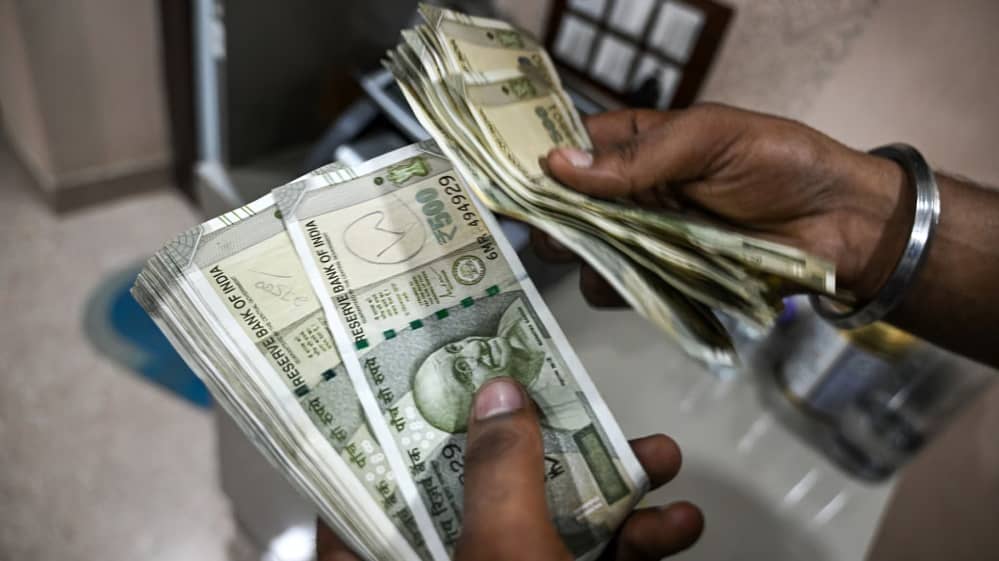

The Indian rupee has shown a modest recovery in recent trading sessions following measures taken by the Reserve Bank of India to stabilize the foreign exchange market Despite this short term improvement the currency has experienced a sharp decline over the month of March reflecting ongoing pressures in the forex market
According to market data the rupee has fallen by more than four percent during March marking its weakest monthly performance in over seven years The currency also touched a record low level during this period highlighting the challenges faced by the domestic currency amid global and domestic economic factors
The recent recovery in the rupee is being linked to steps taken by the Reserve Bank of India to tighten liquidity and manage volatility in the foreign exchange market These measures are aimed at controlling excessive fluctuations and maintaining stability in the currency
Market experts note that central banks often intervene through various tools including liquidity management and market operations to influence currency movements Such actions can provide temporary relief and help restore confidence among investors
However the broader trend of depreciation in the rupee has been influenced by several factors including global economic uncertainty fluctuations in crude oil prices and capital outflows from emerging markets The strength of the United States dollar has also played a role in putting pressure on the rupee
India reliance on imports particularly energy imports makes the rupee sensitive to global price movements Any increase in import costs can widen the trade deficit and impact the currency’s value in the international market
Analysts have pointed out that while the recent uptick in the rupee is a positive development it may not indicate a sustained reversal of the trend The overall direction of the currency will depend on multiple factors including global financial conditions domestic economic indicators and policy measures
Investors and market participants are closely monitoring developments in the forex market as well as signals from the Reserve Bank of India regarding future actions Stability in the currency is considered important for maintaining investor confidence and supporting economic growth
The situation also highlights the importance of prudent economic management and the role of central banks in addressing market volatility While short term interventions can provide relief long term stability depends on broader economic fundamentals
Overall the rupee recent performance reflects the dynamic nature of currency markets where multiple factors interact to influence exchange rates The coming weeks will be crucial in determining whether the currency stabilizes further or continues to face pressure