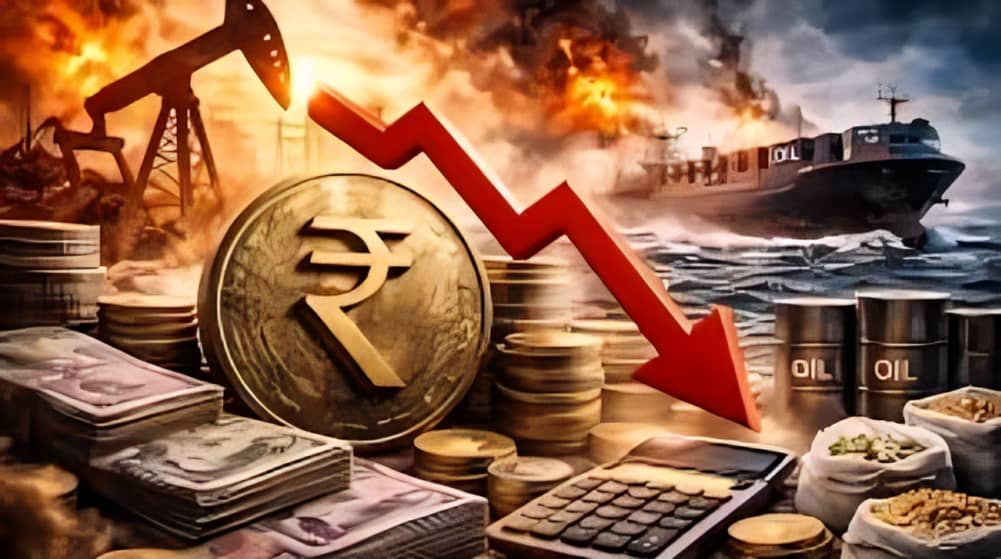
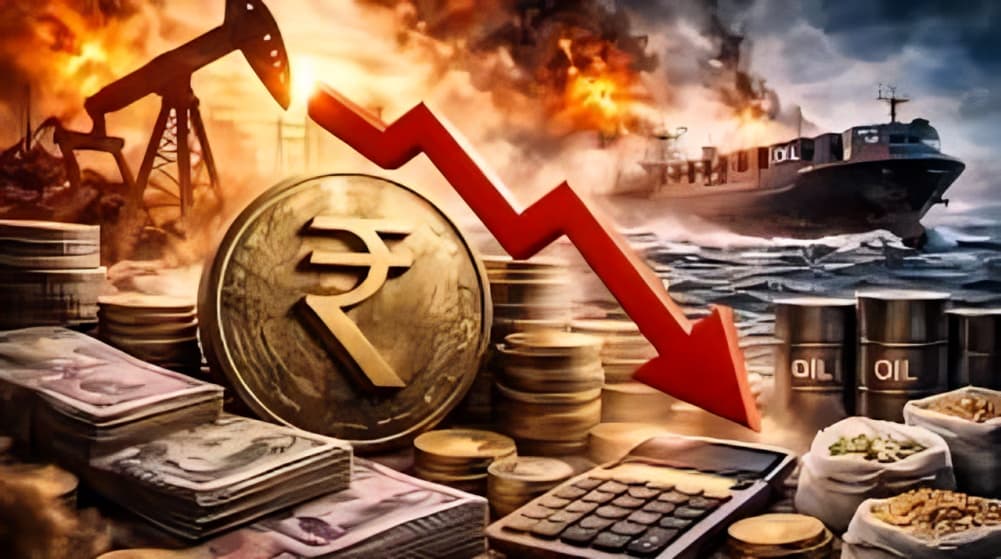
The Indian rupee has weakened to its lowest level in a decade based on trade weighted measures, reflecting ongoing pressures from global and domestic economic factors. Rising crude oil prices and continued foreign capital outflows have been identified as key contributors to the currency’s recent performance.
India is one of the largest importers of crude oil, making it particularly sensitive to fluctuations in global energy prices. When oil prices increase, the cost of imports rises, leading to higher demand for foreign currency. This dynamic often results in a weaker rupee, as more dollars are required to pay for energy imports.
In addition to oil prices, foreign capital flows play an important role in determining currency strength. Recent trends indicate that foreign investors have reduced their exposure to Indian markets, leading to outflows of capital. Such movements can place additional pressure on the rupee, as the supply of foreign currency in the domestic market declines.
Economists note that a weaker rupee can have mixed effects on the economy. On one hand, it can make imports more expensive, contributing to inflationary pressures. Higher fuel costs can affect transportation, manufacturing, and overall price levels, which may impact consumers and businesses alike.
On the other hand, a depreciating currency can benefit export oriented sectors by making Indian goods more competitive in international markets. Industries such as information technology, textiles, and pharmaceuticals may see improved demand due to relatively lower prices in global markets.
The situation is further influenced by broader geopolitical developments, particularly in regions that affect energy supply chains. Uncertainty in global markets can lead to volatility in commodity prices and investor sentiment, both of which impact currency movements.
The Reserve Bank of India and other financial authorities are closely monitoring the situation. Measures such as managing liquidity, adjusting interest rates, or intervening in currency markets may be considered to stabilise the rupee if required. Policymakers aim to strike a balance between controlling inflation and supporting economic growth.
Experts also highlight the importance of structural factors, including trade balance, fiscal policy, and economic reforms, in determining long term currency stability. Strengthening domestic production and reducing dependence on imports are often cited as ways to mitigate external vulnerabilities.
For businesses, the current environment requires careful planning and risk management. Companies involved in international trade may need to adopt strategies to hedge against currency fluctuations. Similarly, investors are likely to remain cautious while assessing market conditions.
Despite the challenges, some analysts believe that the current situation could present opportunities over the long term. A weaker rupee may encourage domestic manufacturing and exports, contributing to economic resilience if supported by appropriate policies.
Overall, the decline of the rupee to a ten year low highlights the complex interplay of global and domestic factors affecting the economy. As oil prices and capital flows continue to influence market conditions, the outlook will depend on both policy responses and external developments.