Investors who purchased the Sovereign Gold Bond 2020-21 Series VI have received a significant increase in the value of their investment as gold prices have risen sharply over the past six years.
The Reserve Bank of India has fixed the premature redemption price for this tranche at Rs 15,384 per gram. Investors became eligible for premature redemption from September 8, 2026, according to the latest announcement. The redemption price is based on the average closing price of 999 purity gold over the relevant three business days, as published by the India Bullion and Jewellers Association.
The SGB 2020-21 Series VI was originally issued in September 2020. The issue price for online investors was Rs 5,067 per gram. Compared with the current premature redemption price of Rs 15,384 per gram, the bond has generated an absolute capital appreciation of approximately 203.6 percent, which is generally rounded to 204 percent.
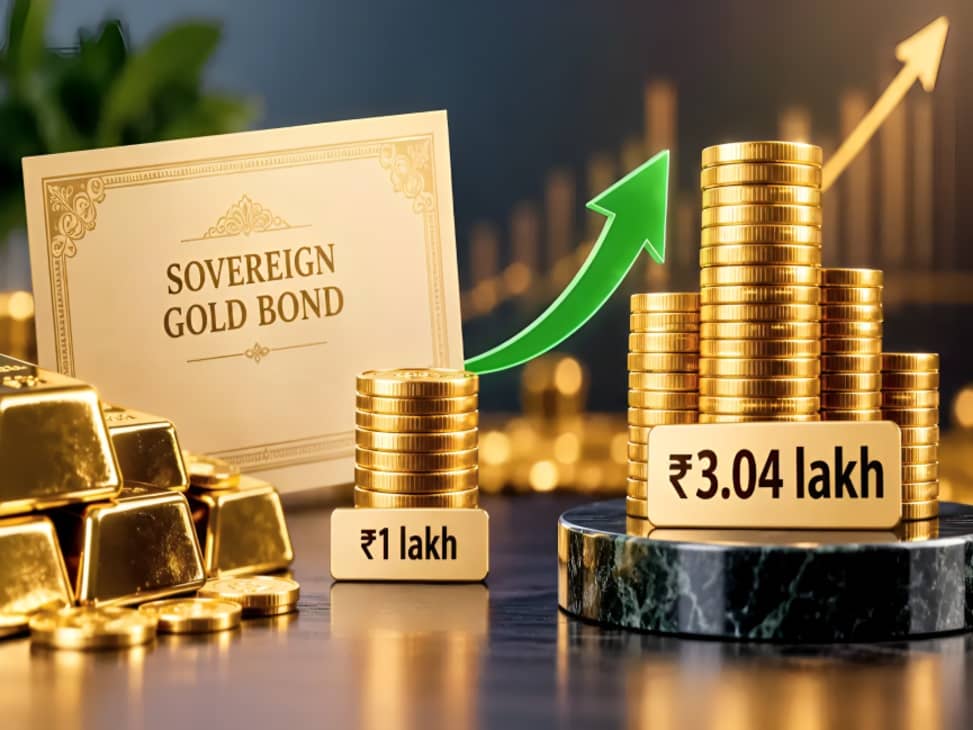
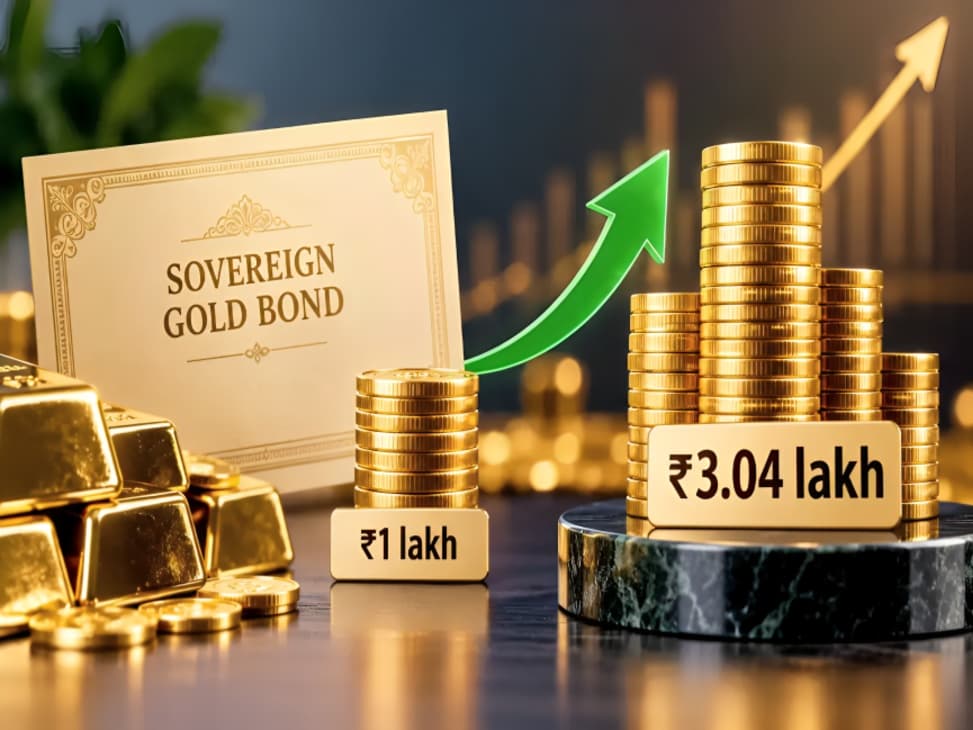
This means an investor who purchased bonds worth Rs 1 lakh at the original issue price would see the investment's gold-linked value rise to approximately Rs 3.04 lakh at the latest redemption price. This calculation represents the capital value of the investment and does not include the interest received during the holding period.
The Sovereign Gold Bond scheme offers investors two potential sources of return. The first is the change in the value of gold, which is reflected in the redemption price. The second is the fixed interest component attached to the bond.
SGBs carry an annual interest rate of 2.5 percent on the initial investment. The interest is paid twice a year. Therefore, investors in the 2020-21 Series VI have received interest payments separately during the holding period.
The 2.5 percent interest is calculated on the original investment amount rather than the increased market value of the gold. This is an important distinction when calculating the overall return from an SGB investment.
For example, an investor who initially invested Rs 1 lakh would receive annual interest of Rs 2,500 before applicable tax considerations. Over approximately six years, the cumulative interest would add to the overall income generated by the investment, although the exact amount received depends on the holding period and payment schedule.
The strong capital appreciation in this particular SGB series has primarily been driven by the rise in gold prices. Gold has remained an important asset for Indian investors, particularly during periods of economic uncertainty, geopolitical tensions, inflation concerns and market volatility.
Unlike physical gold, Sovereign Gold Bonds do not require investors to store gold jewellery, coins or bars. The investment is recorded electronically or through the relevant holding mechanism, reducing concerns related to physical storage and security.
Another feature of SGBs is that the redemption value is linked to the prevailing market value of gold. For premature redemption, the RBI uses a prescribed methodology based on the average closing price of 999 purity gold for the relevant preceding business days. This provides a transparent basis for determining the amount payable to investors.
The latest redemption price also highlights how strongly gold prices have increased since 2020. The difference between the original issue price of Rs 5,067 and the current redemption price of Rs 15,384 represents a substantial increase in the underlying value of the bond.
However, investors should understand that the 204 percent figure should not be interpreted as the total return from the investment. It represents the absolute capital gain based on the issue price and redemption price. The interest component is additional and needs to be considered separately.
Similarly, the Rs 3.04 lakh figure for a Rs 1 lakh investment represents the approximate redemption value based on the latest price. It does not mean that every investor received exactly Rs 3.04 lakh, because the final amount depends on the number of units purchased and the original investment amount.
The SGB scheme was introduced as an alternative way for investors to gain exposure to gold without purchasing physical metal. Bonds are issued by the Reserve Bank of India on behalf of the Government of India. Investors receive units denominated in grams of gold, with the value linked to the prevailing price of the precious metal.
The latest development also comes at a time when several older SGB tranches are becoming eligible for premature redemption. The RBI's redemption calendar provides specific dates on which eligible bonds can be redeemed before their final maturity, subject to the applicable rules.
Premature redemption should not be confused with the normal maturity of an SGB. Sovereign Gold Bonds generally have a longer maturity period, while investors receive opportunities for early redemption after the prescribed lock-in period. The redemption schedule varies depending on the individual series and issue date.
Investors considering redemption should also examine the applicable tax rules before making a decision. Tax treatment can vary depending on whether the bond is redeemed at maturity, redeemed prematurely through the RBI, or sold through the secondary market. Investors should therefore check the latest tax provisions and consult a qualified tax professional where necessary.
The latest performance of the 2020-21 Series VI also demonstrates the potential benefit of holding a gold-linked investment over a longer period. Gold prices can fluctuate significantly over shorter periods, but investors who remained invested through the years have benefited from the substantial increase in the price of the metal.
At the same time, past performance should not be considered a guarantee of future returns. Gold prices are influenced by global interest rates, inflation, currency movements, central bank policies, geopolitical developments and investor demand. Future gold prices could therefore move in either direction.
The 2.5 percent annual interest is another feature that distinguishes SGBs from physical gold. A person holding physical gold generally does not receive periodic interest simply for owning the metal. SGB investors, however, receive the fixed interest component in addition to any appreciation in the value of the underlying gold.
For the SGB 2020-21 Series VI, the combination of gold price appreciation and interest has therefore produced a strong overall investment outcome for long-term holders. The reported 204 percent capital appreciation is based solely on the difference between the original issue price and the current premature redemption price.
The latest figures provide an example of how gold-linked investments can perform during a prolonged period of rising gold prices. However, investors should evaluate SGBs based on their individual financial objectives, investment horizon, liquidity requirements and tax position rather than relying solely on past returns.
For existing holders of the 2020-21 Series VI, the September 8, 2026 premature redemption opportunity provides a chance to realise the substantial increase in the bond's value. Investors who choose to continue holding their bonds should consider the remaining maturity period and future gold price expectations.
The development also demonstrates why the original purchase price is important when calculating investment returns. The bond was issued at a much lower price in 2020, while the current redemption price reflects the significant increase in gold prices since then.
Overall, SGB 2020-21 Series VI has delivered approximately 204 percent capital appreciation based on the latest premature redemption price. A Rs 1 lakh initial investment would be valued at approximately Rs 3.04 lakh at the current redemption price, before separately considering the 2.5 percent annual interest received during the holding period.
The performance serves as an important example of how long-term gold exposure can contribute to investment returns. However, investors should carefully review the redemption rules, tax implications and their own financial goals before deciding whether to redeem or continue holding an eligible Sovereign Gold Bond.