
Dubai:
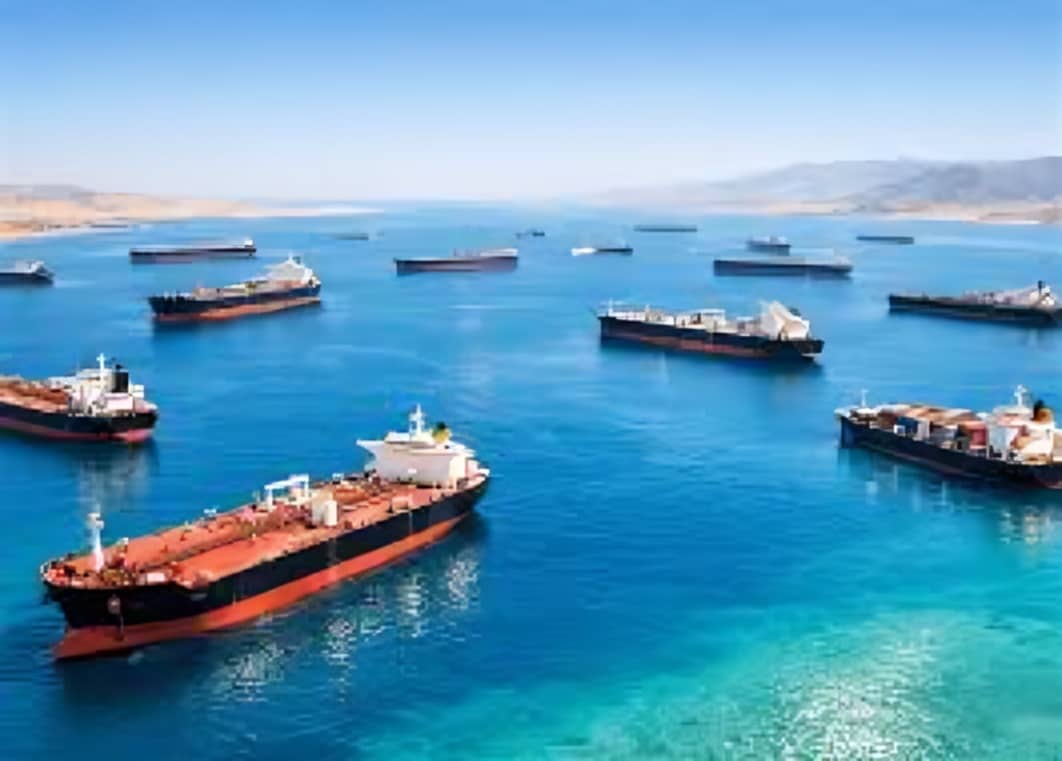
Maritime traffic through the Strait of Hormuz is showing signs of improvement as shipping companies gradually resume operations in one of the world's most strategically important waterways. The increase in vessel movements comes amid growing expectations that diplomatic efforts and ceasefire discussions could help reduce tensions in the region.
The Strait of Hormuz serves as a vital corridor connecting the Persian Gulf with international shipping routes. A significant share of global crude oil, petroleum products and liquefied natural gas exports passes through this narrow maritime passage each day. Because of its importance to global energy markets, any disruption in the strait often attracts worldwide attention.
In recent months, heightened geopolitical tensions in the Middle East raised concerns among shipowners, energy companies and international investors. Several shipping operators adopted precautionary measures, including route adjustments, enhanced security protocols and increased insurance coverage for vessels operating in the region.
Industry reports now indicate that commercial shipping activity has begun to recover as fears of immediate escalation have eased. More vessels are once again transiting through the strait, reflecting improved confidence among shipping operators and energy traders.
Despite the increase in traffic, maritime companies continue to exercise caution. Security remains a primary concern for shipowners, insurers and logistics providers. Many operators are maintaining heightened monitoring systems and risk management procedures to ensure the safety of crew members, cargo and vessels.
The recovery in shipping activity is particularly important for global energy markets. The Strait of Hormuz is a critical route for oil exports from major producing countries in the Gulf region. Any interruption to traffic can affect energy supplies, transportation costs and international commodity prices.
Energy analysts note that stable maritime operations contribute to market confidence and help reduce concerns about potential supply disruptions. As vessel traffic increases, traders are closely watching whether the trend continues in the coming weeks.
The recent improvement has also provided some relief to shipping companies that faced increased operational expenses during periods of heightened uncertainty. Insurance premiums, security costs and logistical challenges often rise when geopolitical risks increase, affecting the overall cost of maritime transportation.
Economic observers point out that global trade depends heavily on secure and efficient shipping routes. The Strait of Hormuz plays a particularly important role because of its connection to international energy supplies and commercial trade networks.
While the current rise in vessel movements is viewed positively by industry participants, experts caution that long-term stability will depend on continued diplomatic engagement and regional cooperation. Any renewed tensions could once again affect shipping operations and global market sentiment.
Governments, international organizations and industry stakeholders continue to monitor developments closely. Many have emphasized the importance of maintaining freedom of navigation, ensuring maritime security and supporting peaceful solutions to regional disputes.
For now, the increase in shipping activity suggests a gradual return of confidence among maritime operators. However, the situation remains dynamic, and businesses connected to global trade and energy markets are expected to remain vigilant as geopolitical developments continue to evolve.