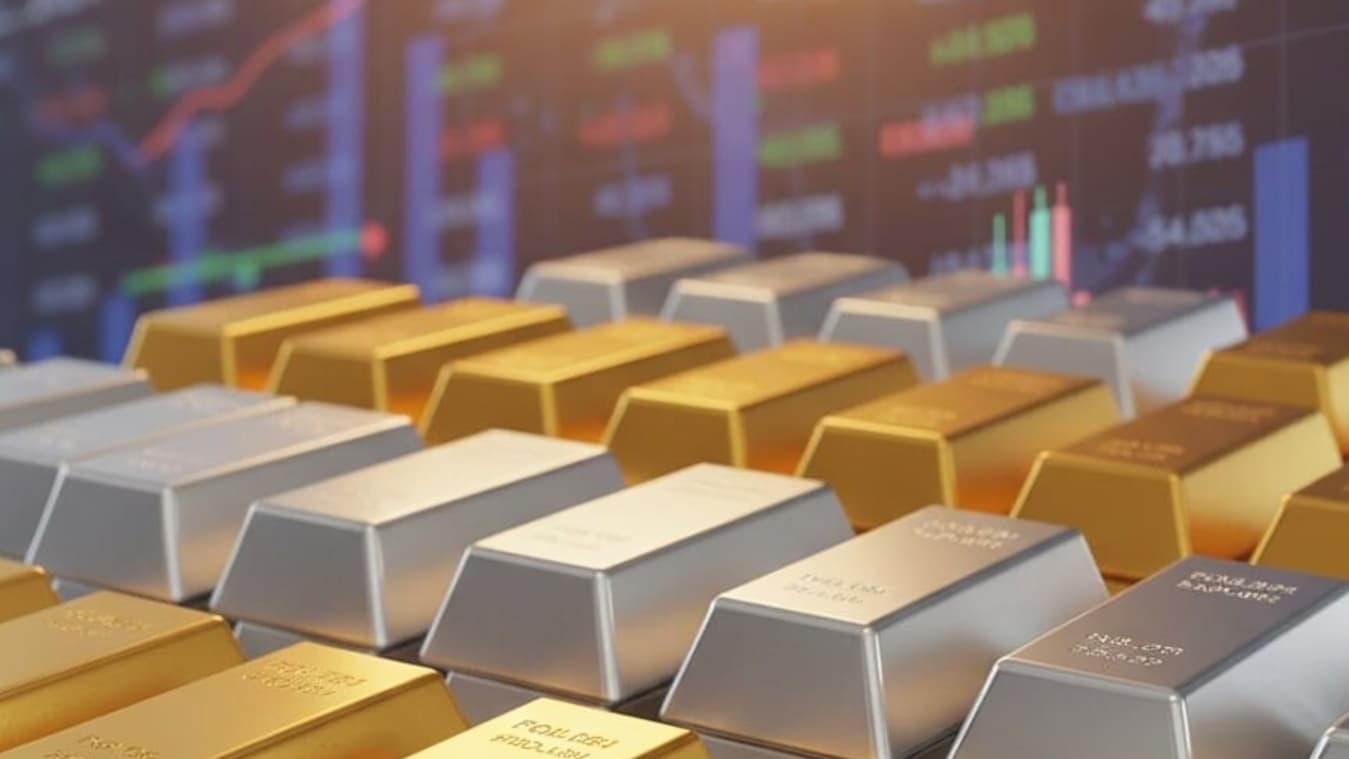
Silver, one of the most widely traded precious metals in the world, experienced a notable price correction on February 26, 2026, falling by over Rs 1.2 lakh from its all-time high. This decline comes amid a combination of global market factors and domestic demand fluctuations, affecting investors and industrial users alike. Silver’s unique position as both a precious metal and an industrial commodity makes it sensitive to macroeconomic trends, foreign exchange rates, and industrial consumption patterns.
In India, silver is widely used for investment purposes in the form of coins, bars, and exchange-traded funds, while industries such as solar energy, electronics, and electric vehicles drive significant industrial demand. With renewable energy adoption increasing globally, silver continues to be a critical component in photovoltaic cells, making its industrial demand robust despite price volatility. Electronics manufacturing and electrical applications also contribute to steady consumption, balancing the metal’s investment-driven demand.
Today, silver rates in major cities of India reflect these trends. In Delhi, the per kilogram rate of silver has dropped compared to previous levels, while Mumbai, Chennai, and Bangalore also report similar declines. Analysts point out that factors influencing silver prices include the strength of the Indian rupee against the US dollar, changes in global commodity markets, and investor sentiment, which can amplify short-term price fluctuations.
The recent fall in silver prices, over Rs 1.2 lakh from the record highs, is considered a market correction by experts. Historically, such corrections offer opportunities for long-term investors seeking to accumulate silver at lower price points. Market watchers also note that volatility in silver is often linked to macroeconomic indicators, including inflation trends, interest rate policies, and global supply chain developments affecting mining and production.
Investment advisors suggest that both retail and institutional investors should exercise caution in trading silver during periods of high volatility. Monitoring global and domestic commodity trends, along with keeping an eye on industrial demand, can help in making informed decisions. Physical silver purchases, such as coins and bars, remain popular among traditional investors, while paper silver in the form of ETFs and futures contracts caters to more active market participants.
In conclusion, while silver has witnessed a significant drop from its record high, its dual demand from industry and investors ensures that it remains a key metal in the commodity market. Investors are advised to track silver rates regularly in cities like Delhi, Mumbai, Chennai, and Bangalore and consider both long-term investment potential and short-term market movements before trading. The current correction presents an opportunity to analyze trends and plan purchases strategically in line with financial goals and market conditions.