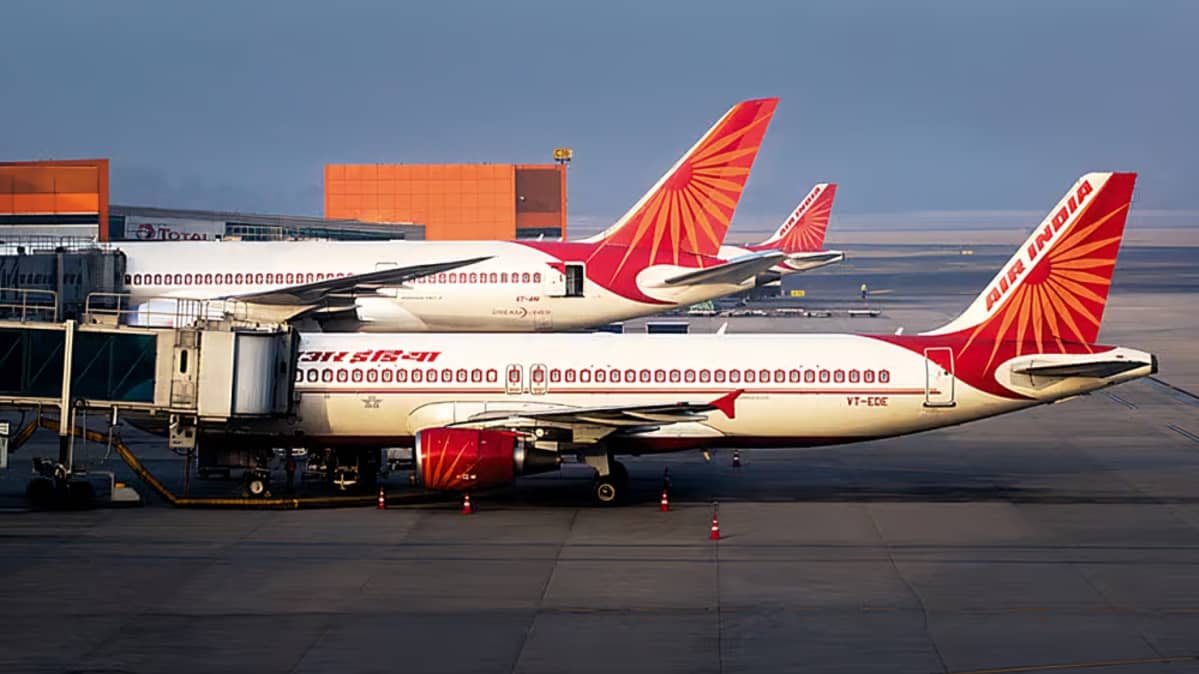
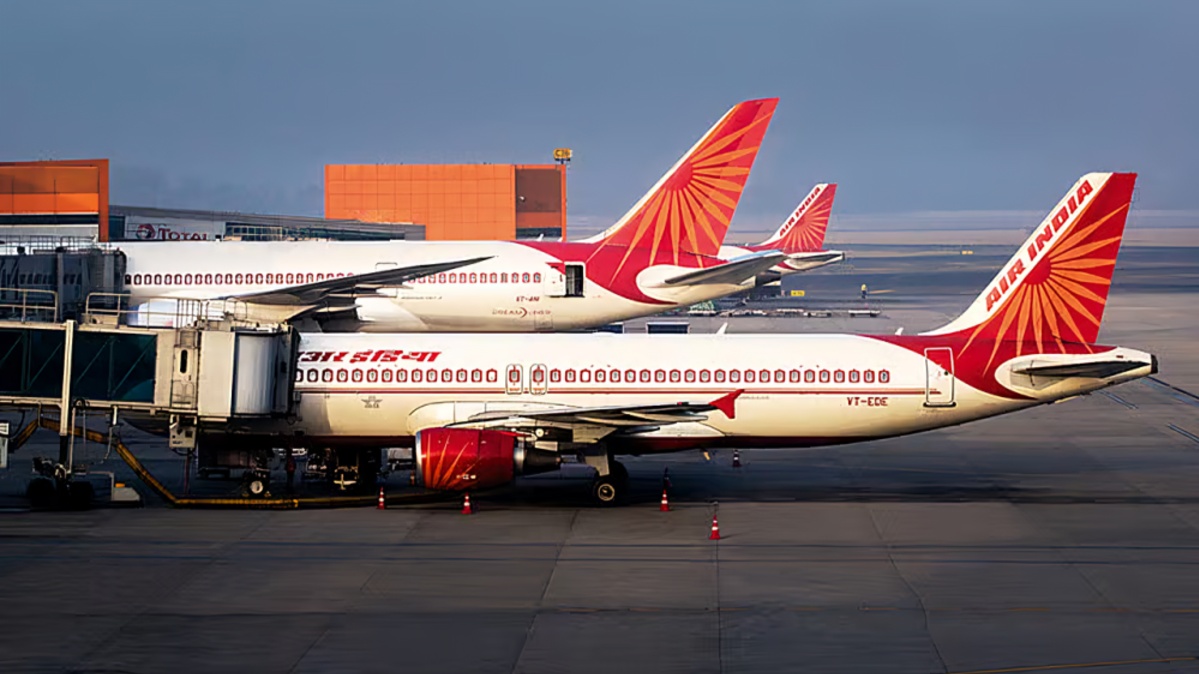
Tata Sons has given in-principle approval for a fresh capital infusion of more than Rs 10,000 crore into Air India, according to reports published on September 3, 2026. The proposed investment would represent one of the largest financial commitments made by the Tata Group to the airline since it acquired Air India in 2021.
The approval is not being described as an immediate transfer of funds. Reports indicate that the Tata Sons board has agreed in principle to provide additional capital, but the investment remains subject to certain conditions and further evaluation. Companies seeking funds from the group are expected to present business cases before the capital is released. The final amount, timing and structure of the proposed investment will therefore depend on subsequent decisions.
The development comes at an important stage in Air India’s ongoing transformation under Tata Group ownership. Tata Sons acquired Air India through its subsidiary Talace Private Limited, with the airline formally returning to Tata Group ownership in January 2022. The group has since been working on fleet expansion, network development, operational improvements, technology upgrades and the integration of its aviation businesses.
However, the airline has continued to face substantial financial challenges. Air India and Air India Express together reported a net loss of Rs 22,238 crore in financial year 2025 to 2026, more than double the combined loss of Rs 10,859 crore reported in the previous financial year. Their combined revenue during the year was reported at Rs 71,870 crore.
The financial performance has increased attention on the amount of capital required to support Air India’s transformation. The airline is undertaking a long-term restructuring programme that requires significant spending on aircraft, maintenance, technology, airport infrastructure, employee systems and customer services. Such investments are intended to strengthen the airline’s position in the highly competitive Indian and international aviation markets.
The proposed capital infusion also needs to be viewed in the context of Air India’s ownership structure. Tata Sons is the principal shareholder, while Singapore Airlines holds a significant minority stake in the airline. Recent reports said Singapore Airlines was separately evaluating a request for additional equity funding from the owners. Singapore Airlines has indicated that any future investment decision would remain subject to consideration by its board and the company’s broader financial requirements.
For Tata Sons, the proposed funding represents a continued commitment to its strategy of rebuilding Air India as a major full-service carrier. The group has previously stated that transforming the airline would be a long-term process rather than an initiative that could be completed in a short period.
The proposed investment is also significant because Tata Sons had paused fresh equity infusions into Air India for more than a year, according to recent reports. During this period, the airline relied on other financing arrangements while continuing to spend on its transformation programme. Reports have placed Air India’s outstanding debt at around Rs 40,000 crore across multiple lenders.
The new funding proposal could provide additional financial support for Air India as it continues to manage its operating requirements and transformation costs. However, the investment alone would not determine the airline’s long-term financial performance. Air India will also need to improve operational efficiency, aircraft utilisation, passenger revenue, international connectivity and cost management.
The Tata Group has been consolidating its aviation operations as part of its broader strategy. The integration of Air India and Vistara has created a larger full-service airline network, while Air India Express serves the low-cost segment. The objective is to build an aviation group capable of competing more effectively with established domestic and international carriers. Tata Group had previously announced the consolidation of its airline businesses following the acquisition of Air India and the merger of Vistara into the Air India group.
The proposed Rs 10,000 crore-plus investment therefore comes at a critical point in that transformation. While the in-principle approval signals that Tata Sons remains willing to provide substantial financial support, the conditions attached to the approval indicate that capital allocation will be linked to specific business requirements.
A further Tata Sons board meeting is expected to examine the matter in greater detail, according to reports. Until the required approvals and conditions are completed, the proposed amount should be treated as an approved funding intention rather than money already transferred to Air India.
The development highlights both the scale of Tata Group’s commitment to Air India and the financial challenges involved in rebuilding a major airline. The success of the investment will ultimately depend on Air India’s ability to improve its financial performance while completing its fleet, network and operational transformation.
For passengers and the wider Indian aviation sector, the additional funding could support Air India’s efforts to expand capacity, improve services and strengthen its international presence. However, the immediate impact will depend on how the capital is deployed and the business priorities identified by the company.
Overall, Tata Sons’ reported in-principle approval for more than Rs 10,000 crore marks a significant step in the continuing Air India transformation. The proposed investment is substantial, but its final implementation remains subject to conditions, business evaluations and subsequent approvals.