The process of selecting the next chairman of Tata Sons has encountered a regulatory hurdle after the Sir Ratan Tata Trust was prevented from holding internal meetings amid an ongoing regulatory probe. The restriction has affected the trust’s ability to formally nominate its representative to the panel that is expected to select a successor to N Chandrasekaran.
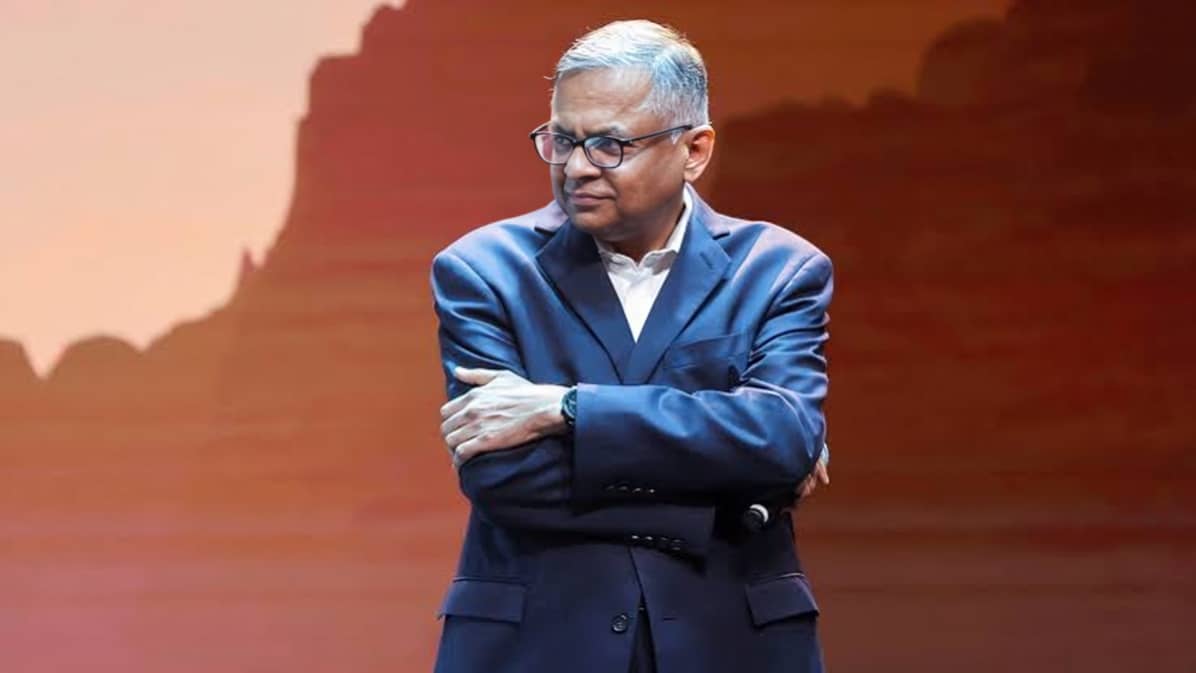
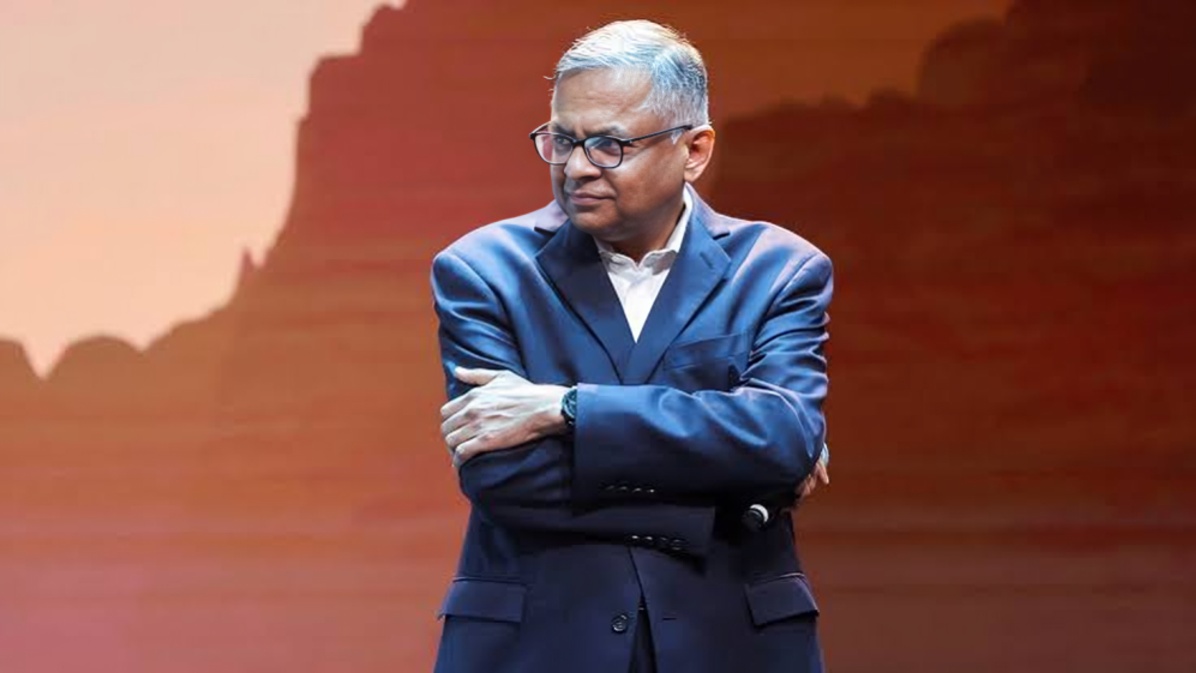
Chandrasekaran, who currently serves as chairman of Tata Sons, announced on August 12, 2026 that he would not seek another term when his present tenure ends in February 2027. His decision has triggered the succession process at the holding company of the Tata Group. However, the process has faced a delay because one of the key shareholder trusts is currently unable to complete the internal procedures needed to participate fully in the selection process.
The Sir Ratan Tata Trust, commonly referred to as SRTT, is one of the major charitable trusts within the Tata Trusts structure. Tata Trusts collectively hold about 66 percent of Tata Sons, giving the trusts a significant role in matters concerning the holding company and its leadership. Because of this ownership structure, participation from the key trusts is important to the process of selecting Chandrasekaran’s successor.
According to reports, SRTT is currently unable to hold its internal meetings because of restrictions imposed in connection with an ongoing regulatory inquiry. As a result, the trust has not been able to formally appoint its representative to the five member joint search panel that is expected to oversee the chairman selection process.
The issue has become significant because the selection process requires participation from the Tata Trusts. The Sir Dorabji Tata Trust has already moved ahead with steps related to establishing the selection panel, but the absence of SRTT’s nominee has complicated the process.
Tata Trusts has therefore approached the Maharashtra Charity Commissioner seeking permission for SRTT to nominate its representative despite the restrictions. The request is aimed at allowing the trust to participate in the succession process while the wider regulatory matter remains under consideration.
The regulatory restriction does not mean that the succession process has been cancelled. Instead, it has created an obstacle that the Tata Trusts are attempting to resolve through the appropriate regulatory channel. The eventual selection of a new Tata Sons chairman will depend on the formal process and decisions of the relevant stakeholders.
Chandrasekaran’s decision not to seek another term marks an important leadership transition for the Tata Group. He became chairman of Tata Sons in 2017 and has overseen the group during a period of expansion across areas including technology, manufacturing, aviation and other businesses.
The leadership change comes at a time when Tata Group companies are pursuing major investments in areas such as semiconductors, electronics and aviation. The next chairman will therefore inherit responsibility for overseeing a large and diversified business group with interests across multiple industries.
The selection process is expected to involve a combination of the Tata Trusts and the Tata Sons board. The five member panel is intended to evaluate potential candidates and recommend a suitable successor. However, SRTT’s inability to hold a meeting has prevented it from formally naming its representative.
The situation also highlights the unusual governance structure surrounding Tata Sons. Tata Trusts collectively own a majority stake in the holding company, while Tata Sons controls significant stakes in many of the major Tata Group companies. The charitable trusts therefore have an important influence on the direction of the group despite their primary philanthropic role.
The regulatory restrictions affecting SRTT have also had consequences beyond the chairman selection process. Reports indicate that the trust’s inability to hold meetings has affected its ability to deal with certain routine matters and other decisions requiring formal approval. Trustees have consequently sought partial relief from the Maharashtra Charity Commissioner.
The issue also contributed to difficulties surrounding the Tata Sons annual general meeting. Tata Sons’ AGM was adjourned after the required quorum was not achieved, with the absence of the relevant Tata Trusts representative becoming an important factor in the proceedings. Reports described the adjournment as an unprecedented development for the company.
The latest development comes as the Tata Group attempts to manage the leadership transition while addressing governance related issues involving its shareholder trusts. The Maharashtra Charity Commissioner has already dealt with another complaint involving the transfer of Tata Sons shares from the Navajbai Ratan Tata Trust to Naval H Tata in 1989. On September 2, 2026, the Commissioner dismissed that complaint after reviewing the transaction and related documentation. However, the separate regulatory restrictions affecting SRTT remain relevant to the chairman selection process.
The closure of the 1989 share transfer complaint is therefore separate from the ongoing matter involving SRTT’s meeting restrictions. The two issues should not be treated as the same regulatory case. The restriction on SRTT’s meetings continues to affect the trust’s ability to take certain formal decisions.
The succession question has become increasingly important because Chandrasekaran’s current term is scheduled to end on February 20, 2027. Although his decision not to seek reappointment has been reported, it should not be described as an immediate resignation. Reports indicate that he informed the board in advance that he did not wish to be considered for another term.
The selection of a successor will be closely watched by investors, employees and other stakeholders because the Tata Group is involved in several major long term projects. The next chairman will be expected to provide continuity while also determining future priorities for the group.
The regulatory hurdle involving SRTT has therefore become an important part of the succession story. The trust is seeking permission to participate in the selection process even while the broader regulatory inquiry continues. If permission is granted, SRTT could potentially nominate its representative and allow the joint selection process to proceed.
The Sir Dorabji Tata Trust is also expected to play an important role. Reports indicate that it has been working on the process of setting up the selection committee. A Tata Trusts meeting scheduled for September 11 could provide further indications about the next steps in the succession process.
For now, no successor to Chandrasekaran has been officially announced. The reported regulatory restriction on SRTT means that the formal process remains subject to further developments. The Maharashtra Charity Commissioner’s response to the request for relief could determine how quickly the trust can participate in the selection procedure.
The situation illustrates how the Tata Group’s ownership and governance structure can influence major corporate decisions. While Tata Sons is the holding company of the group, the Tata Trusts are its majority shareholders, making coordination between the trusts and the company important for major leadership decisions.
The coming weeks are therefore likely to be important for the Tata Sons succession process. The key developments will include any regulatory relief granted to SRTT, the formal constitution of the selection panel and the identification of potential candidates for the chairman’s position.
Until those steps are completed, the search for Chandrasekaran’s successor remains unresolved. The current situation is a regulatory and procedural delay rather than confirmation of a change in the eventual succession outcome. The final decision will depend on the formal selection process and the relevant governance bodies.