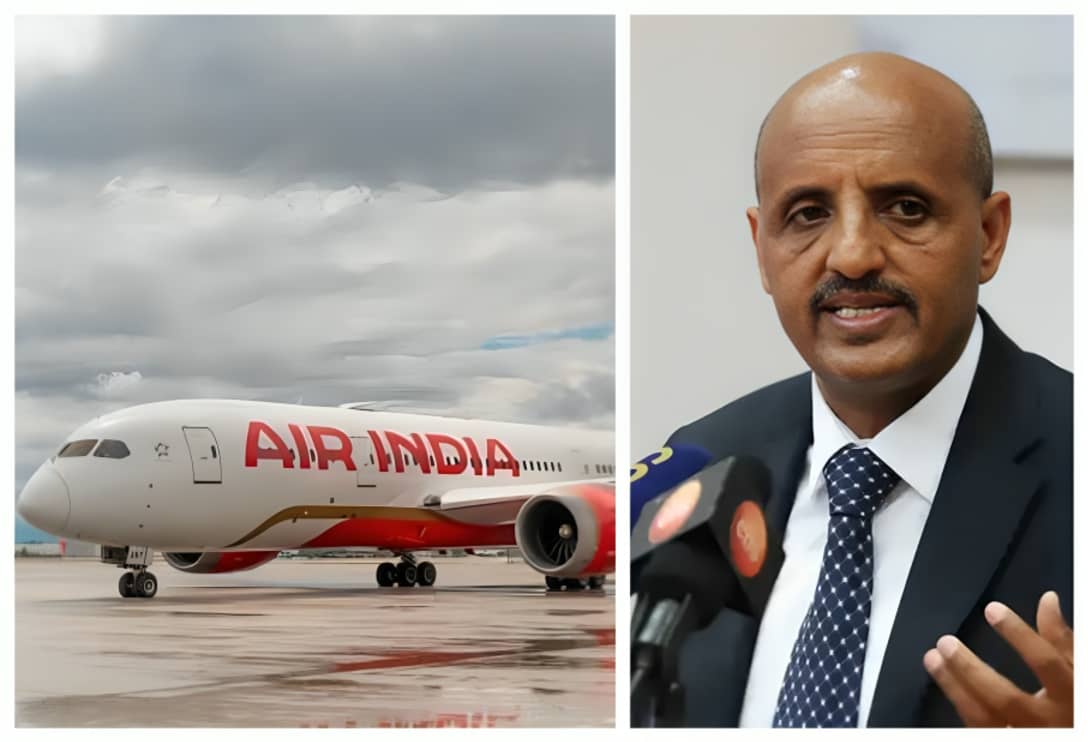
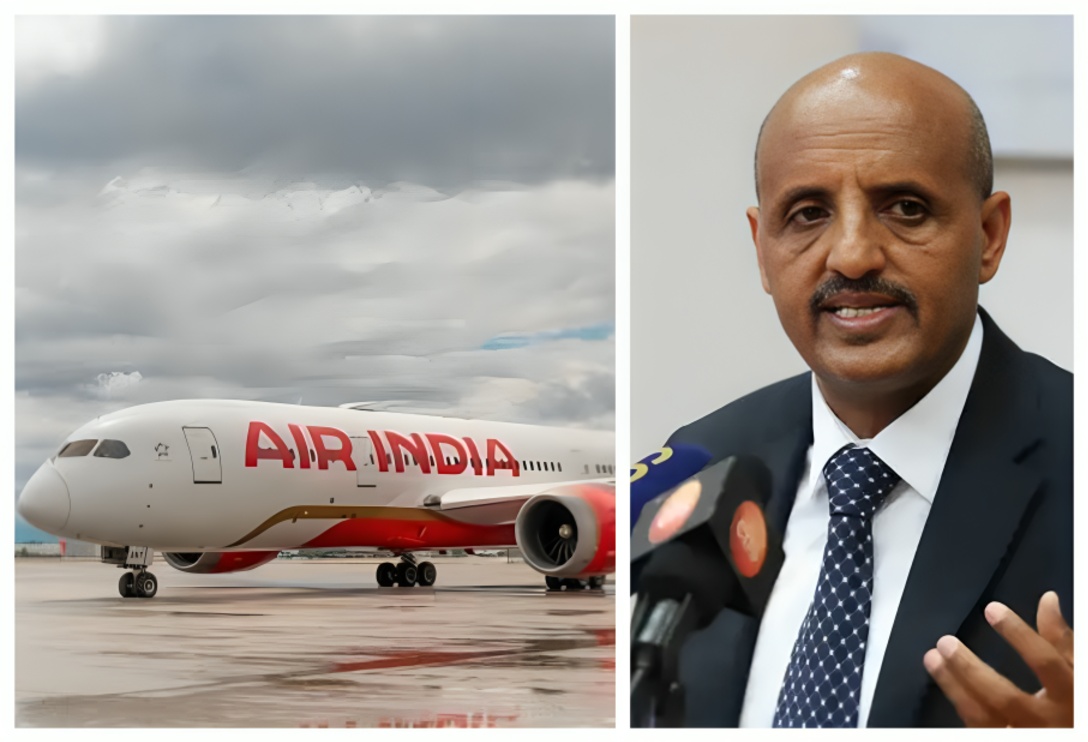
Tewolde Gebremariam has taken operational charge at Air India, marking the beginning of a new leadership phase for the Tata Group-owned airline. The former Ethiopian Airlines chief was appointed Air India’s Chief Executive Officer and Managing Director in August, succeeding Campbell Wilson. However, his formal designation as CEO and accountable manager is still subject to government security clearance, according to reports published on September 7, 2026.
Air India’s Board announced Gebremariam’s appointment on August 5 following a global search for a senior aviation executive. The airline said his experience in leading large-scale airline transformation, operational excellence, safety standards and profitable growth were among the factors considered in the selection process.
Gebremariam brings extensive aviation experience to the role. Before joining Air India, he served as the Chief Executive Officer of Ethiopian Airlines Group for more than a decade. His career at Ethiopian Airlines spanned several decades, giving him experience across airline operations, commercial activities and large-scale organisational management. His leadership experience is now expected to be used as Air India continues its transformation and attempts to strengthen its operational performance.
Safety is expected to be one of the most important priorities under the new leadership. Tata Sons Chairman N Chandrasekaran has stressed that safety should remain at the centre of Air India’s transformation. Gebremariam has also indicated that safety will receive the highest priority and that employees should feel empowered to raise safety-related concerns.
Operational reliability is another major area of focus. Air India is working to improve several aspects of its passenger service, including punctuality, baggage handling, cleanliness and the overall travel experience. Strengthening these areas will be important as the airline competes in a highly competitive Indian aviation market and seeks to expand its international presence.
The leadership transition comes at a challenging period for Air India. The airline has been undergoing a major transformation since the Tata Group took control of the carrier from the Indian government in 2022. The process has involved fleet expansion, network development, operational improvements and efforts to integrate different parts of the Tata aviation business.
At the same time, Air India continues to face financial and operational pressures. Recent reports have highlighted losses, higher operating costs, fuel price pressures and the need to improve operational efficiency. The airline therefore needs to balance its expansion plans with stronger cost management and financial discipline.
Gebremariam’s experience at Ethiopian Airlines is considered particularly relevant because he previously led a major African carrier through periods of rapid growth and significant industry challenges. His appointment reflects Air India’s search for an experienced aviation leader who can manage both operational improvements and the airline’s long-term international ambitions.
The new CEO will also be expected to work closely with Air India employees and senior management. During the leadership transition, N Chandrasekaran and other senior officials have continued to provide guidance as Gebremariam becomes familiar with the organisation and its priorities.
Air India is also pursuing an ambitious fleet and network expansion strategy. The airline’s transformation involves significant investment in aircraft, infrastructure, technology and customer service. Executing these plans effectively while maintaining safety and financial discipline will be one of the major challenges facing the new leadership.
For passengers, the success of the leadership transition will ultimately be measured through improvements in reliability and service quality. More punctual flights, better baggage handling, consistent cabin service and stronger communication during disruptions are among the areas that can directly influence customer confidence.
Gebremariam’s appointment therefore represents more than a routine change at the top of the airline. It comes at a critical point in Air India’s transformation, when the company is attempting to build a stronger global carrier while addressing operational and financial challenges.
While the Board has already appointed him as CEO and Managing Director, the formal regulatory process surrounding his designation remains important. Until the required security clearance is completed, reports indicate that he is handling operational responsibilities without formally assuming every aspect of the CEO and accountable-manager designation.
The coming months are likely to provide a clearer indication of Gebremariam’s approach to Air India’s transformation. His immediate priorities are expected to include strengthening safety, improving operational reliability, rebuilding customer confidence and maintaining financial discipline. For Air India, the leadership change represents an opportunity to consolidate its transformation and work toward becoming a more reliable and competitive global airline.