
The recent announcement by the United States government to reduce import tariffs on Indian goods to 18 percent has sparked optimism across several export-driven sectors in India, particularly the handloom industry in Uttar Pradesh’s Barabanki district. The tariff cut, down from the earlier rate of 50 percent, is expected to significantly improve export prospects for Indian products in the US market.
Barabanki is widely recognised for its traditional cotton and silk handloom products, which have enjoyed steady demand in international markets, especially in the United States. Traders in the region say that for years, the US remained one of their most important export destinations. However, the steep increase in tariffs had made Indian handloom products more expensive, resulting in reduced demand and declining export orders.
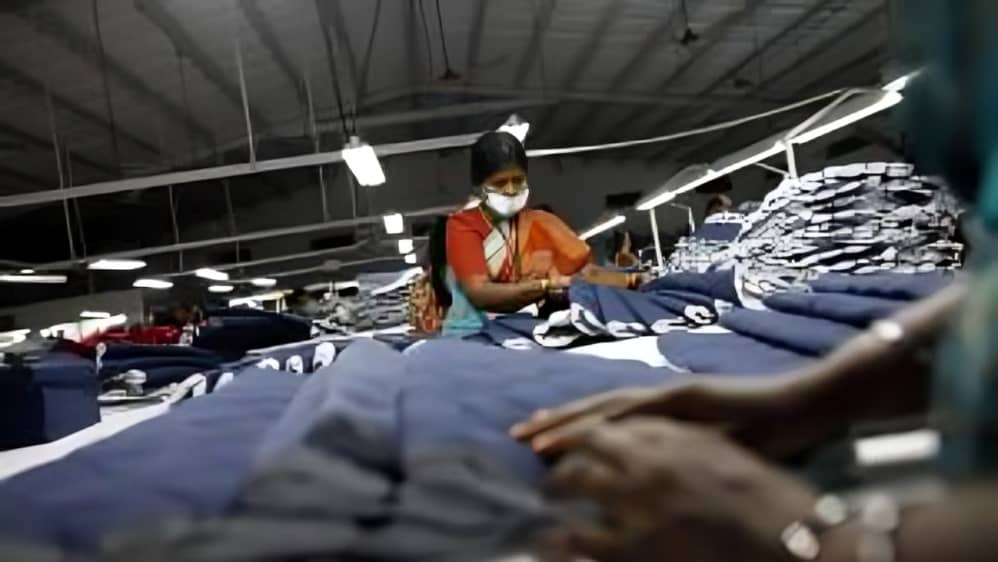
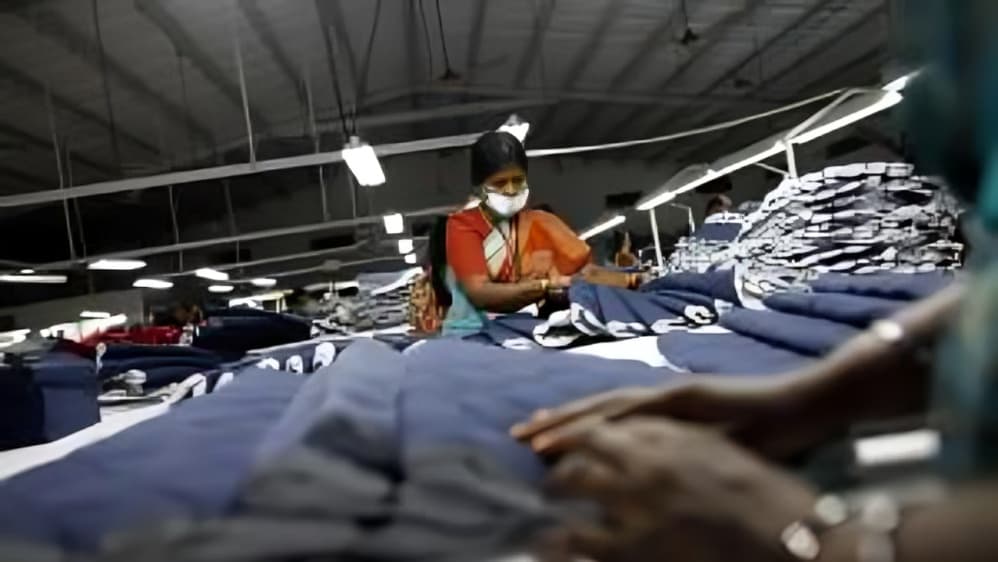
Local handloom traders noted that the higher tariffs severely impacted business operations and affected thousands of weavers who rely on export-driven production. Many weavers faced reduced work opportunities, leading to income uncertainty and economic stress within the community.
Industry representatives believe the tariff reduction will help restore competitiveness for Indian handloom goods in the US market. With lower duties, Indian products are expected to become more affordable compared to competing imports from other countries. This, traders say, could lead to the return of export orders that had slowed down in recent years.
Weavers in Barabanki have also welcomed the development, expressing hope that export revival will translate into better wages and more consistent employment. Many workers said they were informed that the reduction in tariffs would directly benefit their earnings by increasing demand for handloom products. The move is expected to strengthen livelihoods in a region where thousands of families depend on handloom weaving as their primary source of income.
Experts point out that the benefits of the tariff reduction may extend beyond handlooms. Other labour-intensive sectors such as textiles, leather goods, handicrafts and small-scale manufacturing are also expected to gain from improved access to the US market. These sectors play a crucial role in employment generation, particularly in rural and semi-urban areas.
Trade analysts say that lower tariffs could help India regain lost ground in the US market while encouraging exporters to scale up production. Increased export activity may also support allied industries, including raw material suppliers, transport services and packaging units.
Officials and industry bodies have described the tariff cut as a positive step for strengthening trade relations between India and the United States. They believe sustained policy support and stable trade conditions will be essential to ensure long-term growth for export-oriented sectors.
Overall, the tariff reduction has raised expectations of economic recovery for Barabanki’s handloom industry. Traders and weavers alike hope the move will lead to renewed demand, higher incomes and a more secure future for workers dependent on traditional handloom craftsmanship.


