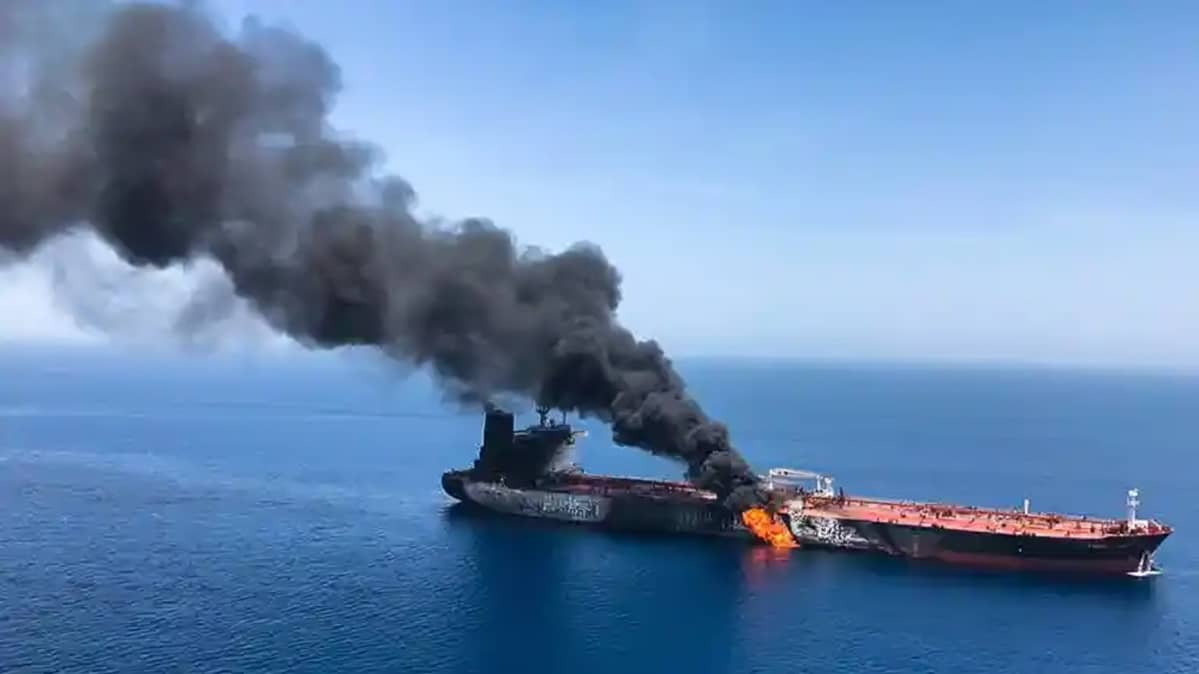
Tensions between the United States and Iran are creating fresh uncertainty in global energy markets, with attacks involving commercial vessels adding to concerns over the movement of crude oil through the Strait of Hormuz.
The Strait of Hormuz is one of the world's most important energy shipping routes. A significant share of global oil supplies normally passes through the waterway, making any prolonged disruption a major concern for oil importing countries, particularly in Asia.
Recent developments have already affected shipping activity. Reuters reported on August 14 that commodity vessel traffic through the Strait of Hormuz remained below the August average amid continuing tensions between Washington and Tehran. Although traffic increased slightly on one day, the number of vessels remained well below normal levels.
The situation became more complicated after the United Arab Emirates accused Iran of attacking two vessels operated by its state owned oil company ADNOC while they were travelling through the Strait. The reported attacks caused concern over the safety of commercial shipping, although there were no reported injuries in those incidents.
The uncertainty is particularly important for Asia because many major economies in the region depend heavily on crude supplies from the Middle East. China, India, Japan and South Korea are among the world's largest oil importers, and disruptions in Gulf shipping can quickly affect their supply arrangements.
Asian refiners have already begun responding to the situation by looking for alternative sources. Reuters reported on August 14 that several Asian refiners had increased purchases of US crude as shipping through the Strait remained restricted. South Korean, Japanese and Taiwanese companies were among those seeking additional supplies outside the Gulf.
India is also adjusting to the changing market conditions. Indian state owned refiners have issued new crude tenders, while Indian companies have faced significantly higher tanker costs for transporting crude from alternative sources. Reuters previously reported that Reliance Industries booked a supertanker at an unusually high freight cost to transport Iraqi crude, reflecting the risks and limited availability of vessels in the region.
The impact is not limited to crude availability. Higher shipping costs, insurance premiums and longer transportation routes can increase the overall cost of imported oil. If those costs remain elevated, refiners and fuel distributors could face additional pressure.
Oil prices have already responded to the uncertainty. Brent crude moved higher as concerns over the reopening of the Strait of Hormuz increased. Recent market reports showed Brent approaching the 90 dollar per barrel level, with geopolitical developments offsetting some of the downward pressure created by concerns over global demand.
The duration of the disruption will be an important factor. A short lived shipping disruption could be managed through alternative supplies, inventory and changes in shipping routes. A prolonged restriction, however, could create a much larger imbalance between available supplies and demand.
The situation also creates challenges for tanker operators. Companies must assess security risks before sending vessels through areas affected by military tensions or attacks. This can reduce the number of ships willing to operate on certain routes and increase freight rates.
For Asian economies, higher crude prices could have wider economic consequences. Oil is an important input for transportation, manufacturing, aviation and several other industries. A sustained rise in energy costs can increase operating expenses and potentially contribute to inflation.
India could also be affected because it imports a substantial portion of its crude oil requirements. Higher international crude prices can influence refinery costs, transportation expenses and the broader energy market. The eventual impact on domestic fuel prices would depend on global crude prices, refining costs, exchange rates and government policies.
The current situation is therefore being closely watched by oil traders, refiners and governments across Asia. Asian buyers are already attempting to diversify their sources, while some Gulf producers are adjusting their shipping and supply strategies to deal with the risks.
ADNOC, for example, has increased its efforts to maintain crude exports despite the difficult shipping environment and has adjusted its trading strategy amid disruptions caused by the conflict.
The United States and Iran also remain engaged in a broader dispute over control and access around the Strait of Hormuz. The United States has indicated that it could maintain a naval blockade of Iran for an extended period, while Iran has continued to assert its position over the strategic waterway.
For the global oil market, the key question is whether commercial shipping can return to normal levels. If tanker movements recover and negotiations reduce tensions, oil prices could stabilise. If attacks continue and shipping remains restricted, supply concerns could intensify.
For Asia, the risks are particularly significant because the region is heavily dependent on Middle Eastern energy supplies. The current response from refiners shows that alternative sources can provide some flexibility, but replacing large volumes of Gulf crude may come with higher transportation and procurement costs.
The developments surrounding the Strait of Hormuz will therefore remain a major factor for global oil prices in the coming weeks. Any further attacks, prolonged shipping restrictions or escalation between the United States and Iran could increase volatility in energy markets, while a sustained improvement in diplomatic conditions could ease supply concerns.