
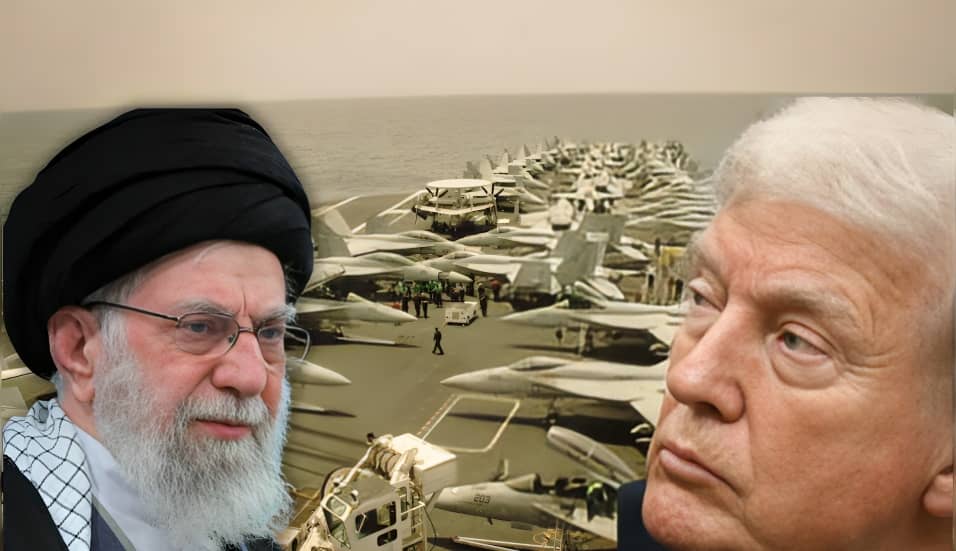
The US-Iran war, now entering its second week, began with joint US-Israeli airstrikes on February 28, 2026, targeting Iranian nuclear facilities and leadership. Named "Operation Epic Fury" by the Pentagon, the strikes resulted in the death of Iran’s Supreme Leader Ayatollah Ali Khamenei and significant damage to key military installations. In response, Iran launched missile and drone attacks across the Middle East, escalating regional tensions. While much of the global discourse has focused on Iran’s nuclear ambitions, analysts suggest that the underlying driver of the conflict may be financial—the global petrodollar system that underpins US economic hegemony.
The petrodollar system, established after the United States abandoned the gold standard in 1973, requires most global oil trade to be priced in US dollars. This arrangement ensures constant global demand for the dollar, allowing the United States to sustain massive deficits and fund international military operations without collapsing its economy. Iran, a major oil exporter, has challenged this system by trading oil in yuan with China and in euros with European countries, bypassing the US-controlled financial network. Prior sanctions have already forced Iran to seek alternatives to SWIFT for transactions, further weakening the petrodollar’s dominance.
Experts argue that US military actions in Iran may aim to restore dollar-based control over Persian Gulf oil flows. A regime change in Tehran could install a government aligned with US interests, securing oil trade in dollars and countering BRICS-led efforts to move away from the USD. Analysts such as John Sitilides have suggested that President Trump’s actions are motivated not only by security concerns but also by the strategic objective of maintaining global demand for the dollar amid rising US debt, which exceeded $35 trillion by early 2026.
However, prolonged conflict may have unintended consequences. Iran’s strategic position along the Strait of Hormuz, through which 20 per cent of global oil passes, could trigger major disruptions in oil supply. Rising prices, potentially surpassing $100 per barrel, may provide short-term support for the dollar but accelerate long-term de-dollarization efforts by encouraging alternative trade currencies. The global economy may face increased inflation and volatility, putting additional pressure on the Federal Reserve to raise interest rates, impacting debt servicing costs in the United States.
In conclusion, while nuclear proliferation remains a key concern, the financial implications of Iran’s oil trade and its challenge to the petrodollar system appear to be a significant factor behind US strategic moves in the Middle East. Controlling Persian Gulf oil flows and maintaining the dollar’s dominance are central to sustaining America’s economic and military influence, making Iran a critical geopolitical focus beyond conventional security threats.


