
The Safe Haven Paradox of 2026
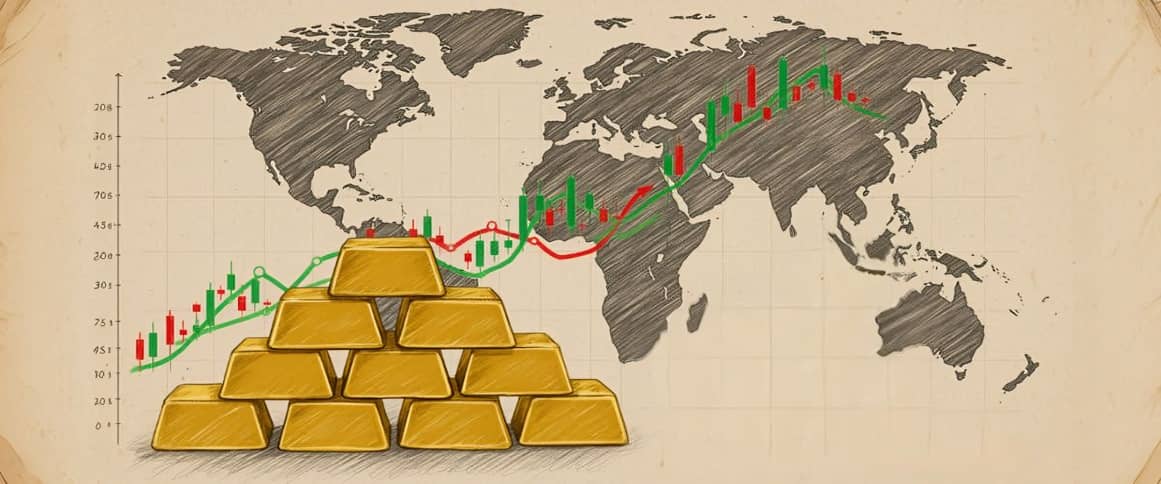
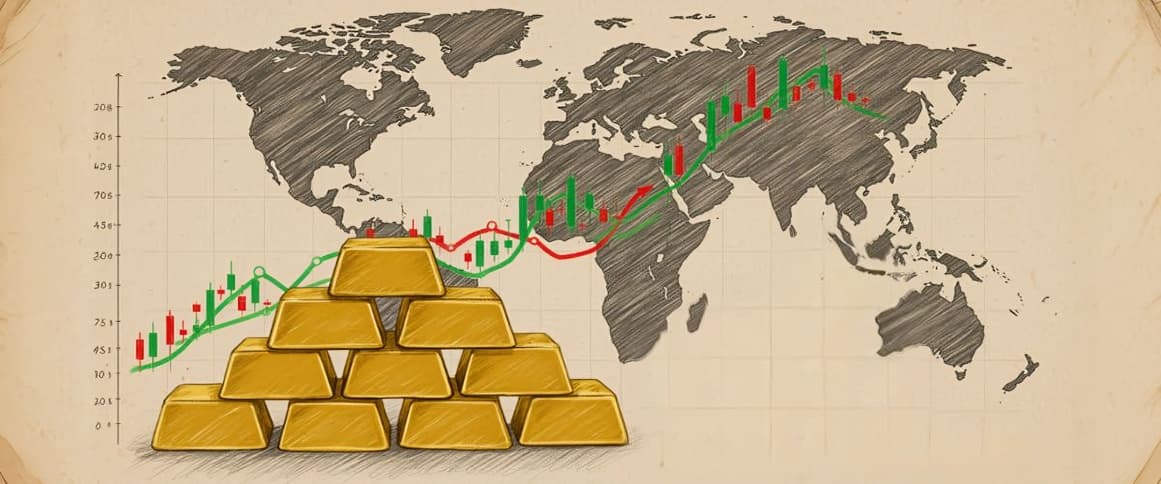
Historically, gold has been the undisputed refuge for capital during times of war and global instability. However, the current crisis in the Middle East has presented a financial paradox. As of mid-March 2026, even as military exchanges rattle the Persian Gulf and the Strait of Hormuz, gold prices have entered a corrective phase rather than the anticipated vertical rally.
On the Multi Commodity Exchange (MCX) in India, gold futures have slipped from recent peaks, while silver has seen a more dramatic decline of over Rs 14,000 per kilogram. This decoupling from geopolitical reality has left many retail investors in India questioning the traditional status of precious metals as insurance against disaster.
The Role of Energy-Driven Inflation
The most significant factor weighing on gold is the surge in crude oil prices, which have climbed past $100 per barrel. In a typical scenario, high oil prices are bullish for gold. However, in the current economic climate, $100 oil is being viewed as a "tax on growth" and a primary driver of sticky inflation.
With inflation risks rising, the US Federal Reserve and other global central banks are expected to keep interest rates elevated for a longer duration. Since gold is a non-yielding asset—meaning it pays no interest or dividends—the prospect of higher-for-longer interest rates makes interest-bearing assets like US Treasury bonds more attractive. This shift in capital allocation has effectively capped gold's upside.
A Stronger US Dollar and Liquidity Squeezes
The US dollar has emerged as the preferred safe haven over gold in this specific conflict. A stronger greenback makes gold more expensive for buyers using other currencies, such as the Indian Rupee, leading to a natural drop in demand.
Furthermore, the sharp decline in global equity markets has triggered a "liquidity squeeze." Large institutional investors and hedge funds, facing margin calls on their falling stock portfolios, often liquidate their profitable positions in gold to raise quick cash. This forced selling puts additional downward pressure on the metal, even as the geopolitical headlines suggest it should be rising.
Technical Outlook and Indian Market Impact
In India, the decline in gold prices has provided a brief window of opportunity for domestic buyers, though the volatility remains high. Analysts observe that after the record-breaking rally seen in early 2025 and the start of 2026, the current dip is also a result of healthy profit-booking.
Market experts suggest that gold is currently in a consolidation zone. Support levels on the MCX are seen around the Rs 1,57,000 to Rs 1,60,000 per 10 grams range. While the short-term trend is bearish due to currency fluctuations and Fed policy uncertainty, the long-term outlook remains supported by central bank purchases and the underlying tension in global trade.
Conclusion
The current "gold slip" serves as a reminder that market dynamics are rarely one-dimensional. While the war in the Middle East provides a fundamental reason for gold to rise, the secondary effects—rising oil, a surging dollar, and shifting interest rate expectations—are currently proving to be stronger headwinds. For investors, the coming weeks will be crucial as the market decides whether this is a temporary correction or a shift in how gold responds to global crises.


