
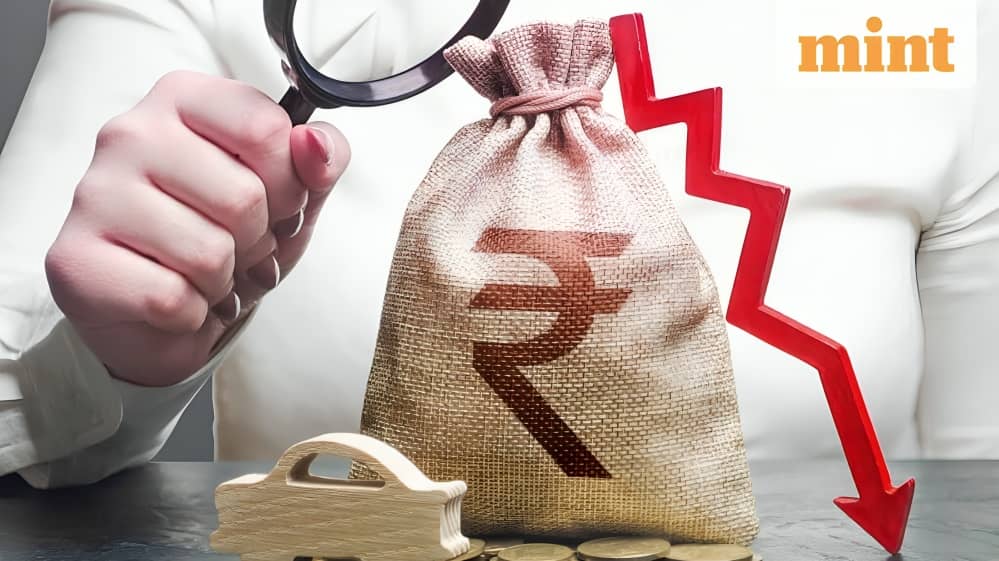
Market analysts and currency strategists believe the Indian rupee may continue to underperform its Asian peers during the financial year 2025–26, despite periodic support from the Reserve Bank of India. While the central bank’s interventions have helped prevent sharp volatility, experts caution that such measures offer only temporary relief amid broader structural and global challenges.
One of the primary factors weighing on the rupee is persistent foreign fund outflows. Global investors have remained cautious about emerging markets, including India, as interest rates in the United States and other developed economies remain elevated. Higher yields abroad reduce the relative attractiveness of Indian assets, prompting foreign institutional investors to pull out funds from domestic equities and debt markets.
Another pressure point is India’s trade balance. Although exports have shown resilience in certain sectors, rising imports, particularly of crude oil and capital goods, have widened the trade deficit. A higher trade deficit increases demand for foreign currency, putting downward pressure on the rupee. Global commodity price volatility further adds to the uncertainty.
Market participants also point to unresolved global trade concerns as a key risk. Ongoing geopolitical tensions, supply chain disruptions, and policy uncertainties in major economies continue to influence currency movements. Any escalation in global trade disputes could impact capital flows and export demand, indirectly affecting the rupee.
The Reserve Bank of India has actively intervened in the foreign exchange market to smooth excessive volatility. By selling dollars and using its foreign exchange reserves, the RBI has managed to prevent abrupt depreciation. However, analysts note that such intervention-driven rebounds are often short-lived if underlying macroeconomic pressures persist.
Inflation dynamics and monetary policy also play a role. While domestic inflation has moderated compared to previous peaks, it remains a concern. The RBI’s focus on price stability limits its ability to aggressively ease monetary policy, which could otherwise support growth and attract investment.
Comparatively, some other Asian currencies have benefited from stronger export recovery or more favourable capital flow dynamics. This divergence has made the rupee one of the weaker performers in the region.
Experts suggest that for the rupee to strengthen sustainably, India will need consistent foreign inflows, improved export competitiveness, and progress on structural reforms. Measures to attract long-term foreign investment, deepen financial markets, and enhance productivity could help improve currency fundamentals over time.
In the near term, analysts expect the rupee to trade in a broad range, supported by RBI intervention but constrained by global and domestic headwinds. As FY26 unfolds, currency movements are likely to remain sensitive to global interest rate trends, oil prices, and investor risk appetite.


