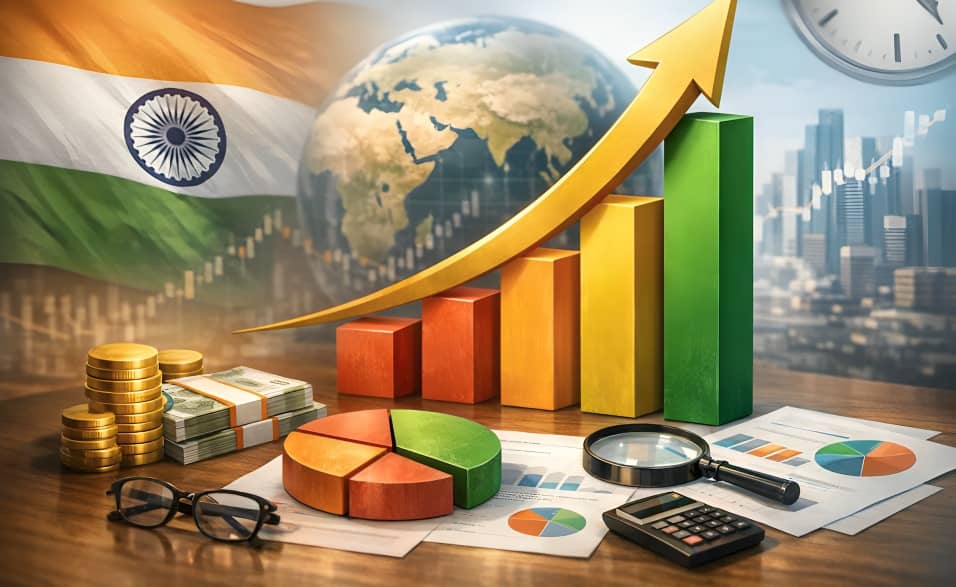
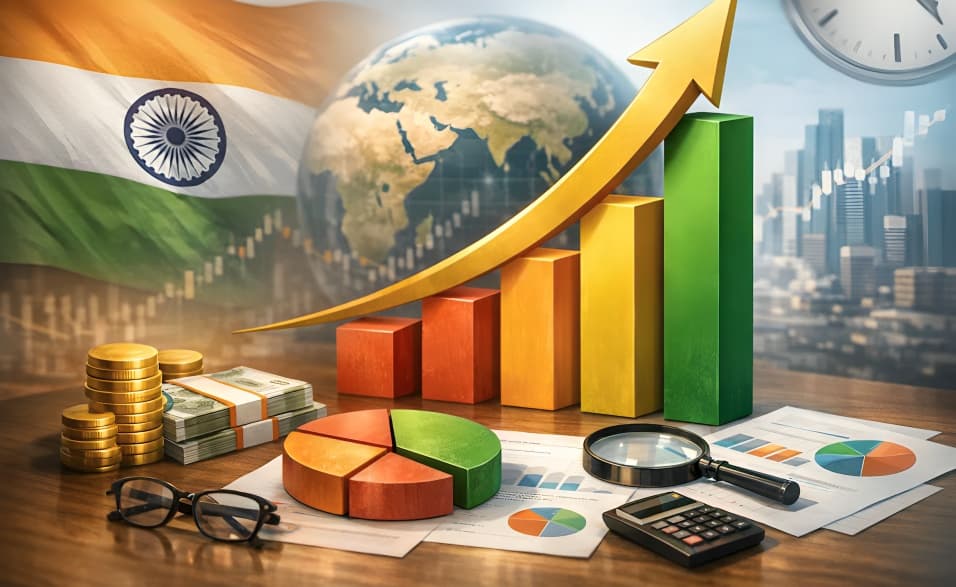
The World Bank has projected that India’s economy will grow at an average rate of 7.1 percent during the financial years 2028 and 2029, indicating strong resilience despite ongoing global uncertainties. The forecast comes at a time when many economies are facing challenges due to fluctuating oil prices and geopolitical tensions affecting energy markets.
According to the World Bank, India is well positioned to navigate the current global energy crisis. One of the key factors supporting this outlook is the country’s robust foreign exchange reserves. These reserves act as a buffer against external shocks, helping maintain currency stability and ensuring that the economy can manage fluctuations in global trade and capital flows.
Another important strength highlighted in the report is India’s stable banking system. A well regulated and resilient financial sector plays a crucial role in supporting economic growth by ensuring the availability of credit to businesses and individuals. The World Bank noted that India’s banking sector has shown improvements in asset quality and capital adequacy, which enhances its ability to withstand economic pressures.
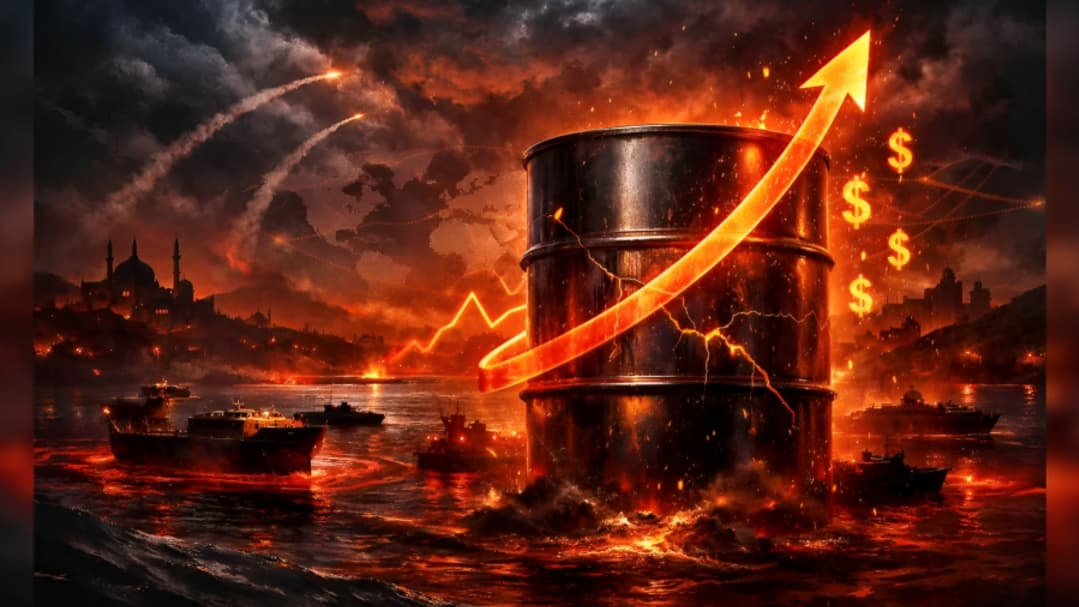
Global oil price volatility remains a significant concern for many countries, including India, which imports a large portion of its energy requirements. Rising oil prices can increase import bills, widen trade deficits and put pressure on inflation. However, the World Bank believes that India’s economic fundamentals are strong enough to manage these risks effectively.
The report also points to continued domestic demand as a major driver of growth. Consumption and investment activities within the country are expected to remain steady, supported by government initiatives, infrastructure development and policy reforms. These factors are likely to contribute to sustained economic expansion over the medium term.
In addition, India’s focus on diversifying its energy sources and increasing the use of renewable energy is expected to reduce its dependence on imported fossil fuels over time. This transition can help mitigate the impact of global oil price fluctuations and support long term sustainability.
The World Bank’s projection places India among the faster growing major economies in the world. Despite global challenges such as supply chain disruptions, geopolitical tensions and inflationary pressures, the country’s economic outlook remains positive.
Experts note that maintaining this growth trajectory will require continued policy support, investment in infrastructure and efforts to improve ease of doing business. Strengthening key sectors such as manufacturing, services and agriculture will also be important in ensuring balanced and inclusive growth.
Overall, the World Bank’s forecast reflects confidence in India’s economic stability and growth potential. With strong fundamentals and strategic policy measures, the country is expected to continue its growth momentum in the coming years, even as it navigates a complex global economic environment.