

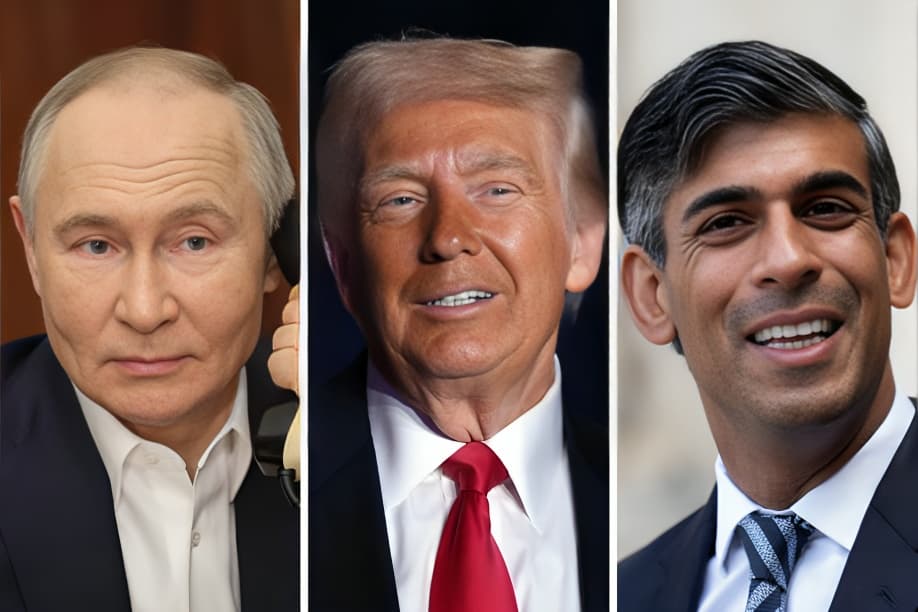
A recent global review of political wealth in 2025 has shed light on the enormous fortunes accumulated by some of the world’s most influential leaders. The top ten richest politicians collectively control wealth exceeding 225 billion dollars, highlighting the deep connection between financial strength and political influence. Their fortunes stem from a variety of sectors, including real estate, energy, technology, mining, manufacturing and diversified global investments.
Many of the individuals on this list have built their wealth over decades, long before entering formal politics. In several cases, political families have maintained economic dominance across generations, passing down both business empires and political standing. This trend reinforces the idea that inheritance and long-term asset management continue to play a major role in political ascension in numerous countries.
The review also reveals that politicians from both democracies and non-democratic systems appear on the list, indicating that the correlation between wealth and political power transcends governance models. In some countries, business tycoons transitioned into political leadership, using their financial strength to influence policy and administrative functions. In others, decades of political stability allowed leaders and their families to expand their influence into commercial sectors.
Key contributors to these vast fortunes include ownership of multinational conglomerates, stakes in major corporate entities, control over natural resources and lucrative investment portfolios. Several leaders have substantial holdings in energy, infrastructure, telecommunications and real estate. Their economic decisions often influence global markets, making them significant players not just politically but also financially.
The analysis also highlights ongoing debates about transparency and accountability. Critics argue that immense personal wealth among political leaders can create conflicts of interest, impacting policy decisions. Supporters, however, claim that financially independent leaders may be less vulnerable to corruption, as they are not reliant on public office for income. This debate continues to shape political conversations worldwide.
In the context of global governance, the list underscores how wealth can enhance diplomatic leverage. Affluent political leaders often engage in major international investment deals, influence trade negotiations and fund large-scale development initiatives. Their countries, in turn, may benefit from stronger economic ties and global visibility driven by the financial networks of their leadership.
The report also points to growing public interest in financial disclosures. As voters increasingly demand transparency, many nations are revisiting rules regarding asset reporting, campaign funding and conflict-of-interest policies. Analysts believe this shift is an essential step toward ensuring integrity in governance, especially when policymakers possess substantial private wealth.
Another key observation is the changing economic landscape of political power. Wealthy leaders from Asia, the Middle East and parts of Africa have risen significantly in global rankings, reflecting shifting financial centers and emerging markets. This transition marks a new era in which economic influence is becoming more geographically diversified.
Overall, the examination of the world’s wealthiest politicians in 2025 offers a deeper understanding of the relationship between personal fortunes and political authority. As global economies evolve, the role of wealth within political leadership remains a subject of continued scrutiny and interest.


