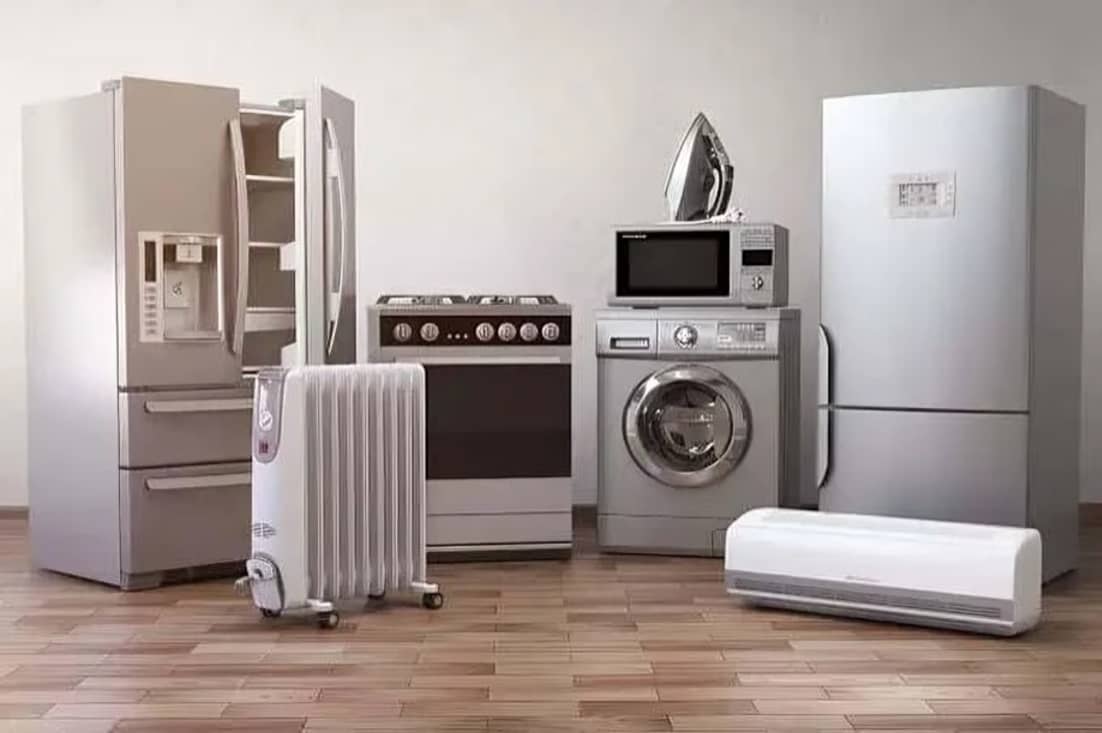
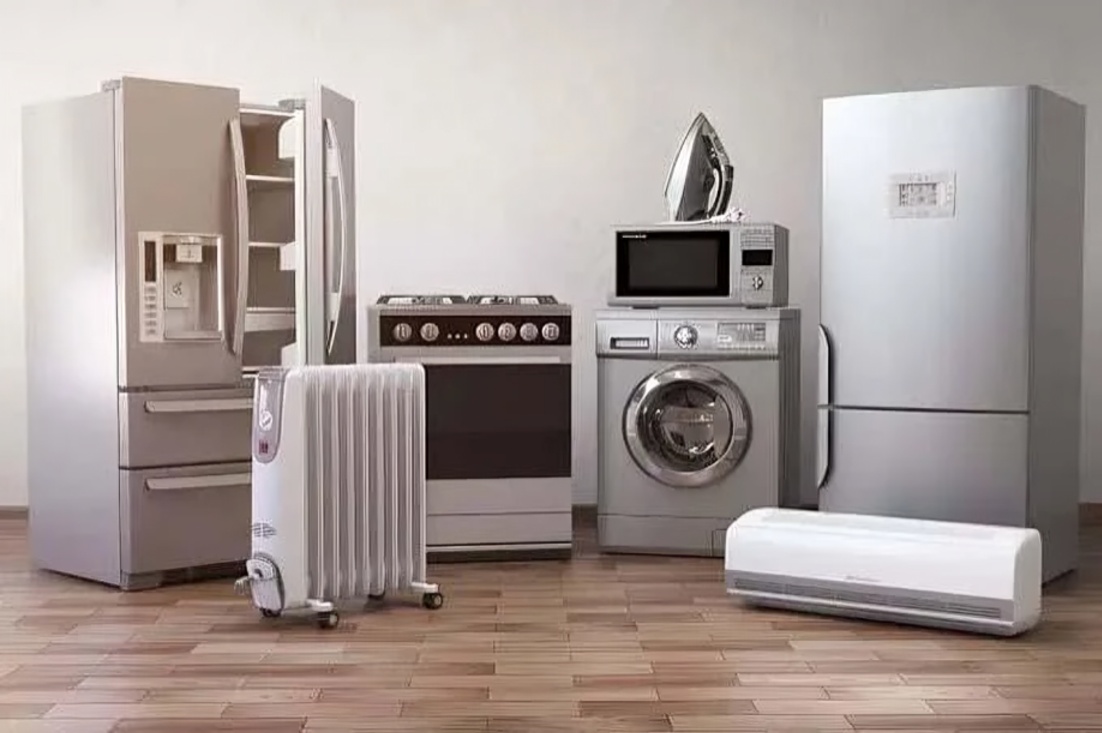
Consumers planning major purchases such as air conditioners, televisions, refrigerators and washing machines during the upcoming festive season may face higher prices from October. Several consumer electronics and appliance manufacturers in India are preparing to revise prices as rising input costs put pressure on production and profit margins.
Industry reports indicate that consumer durable manufacturers are planning price increases of around 5 to 8 percent from October 1 across selected categories. Air conditioners are expected to see some of the more significant increases, while televisions, refrigerators and washing machines may also become more expensive depending on the brand and product category.
LG Electronics India has separately confirmed that it will increase air conditioner prices by 5 to 7 percent from October 1. The company has clarified that the latest revision applies to air conditioners and that it has not taken a decision to increase prices of its other products at present.
Why Are Appliance Prices Increasing
The latest price revisions are largely linked to higher manufacturing and operating costs. Consumer durable companies use several commodities and components in their products, including copper, steel, aluminium, plastics and materials derived from crude oil. Higher prices for these inputs can increase the cost of manufacturing appliances.
Copper is particularly important for air conditioner manufacturers because it is used extensively in components such as tubing and heat exchange systems. Industry executives have pointed to a significant increase in copper prices over the past year as one of the reasons for the latest AC price revisions.
Higher freight and logistics costs are another factor. Manufacturers need to transport components and finished products across different parts of the country. Any increase in transportation expenses can eventually affect the final price paid by consumers.
Currency movements can also influence the cost of imported components and raw materials. Industry reports have cited currency volatility along with higher commodity and freight costs as additional factors behind the latest price increases.
AC Prices Likely to See a Noticeable Increase
Air conditioners are at the centre of the latest round of price revisions. Industry reports indicate that AC prices could increase by around 5 to 8 percent from October, although the exact increase will depend on the company and model.
LG Electronics India has confirmed a 5 to 7 percent increase in AC prices from October 1. This announcement comes just before the peak festive shopping period, when demand for consumer appliances traditionally increases.
Other manufacturers have also indicated price increases. Haier India, for example, has said that it plans to increase room air conditioner prices by around 5 percent from October 1. The company has also indicated that further increases could be considered later if input costs remain elevated.
Daikin has also increased prices, with reports indicating that the company had already implemented an increase before October. The company cited higher copper prices, currency movements and broader commodity cost pressures.
TV, Refrigerator and Washing Machine Prices
The price increase is not limited to air conditioners. Some manufacturers are also revising prices of televisions, refrigerators and washing machines.
Industry executives cited in recent reports said some brands could increase prices of LED televisions, refrigerators and washing machines by around 3 to 4 percent, while increases across some categories and companies could be higher. The exact impact will vary according to the manufacturer, product range and timing of the revision.
Haier has indicated that prices of some products such as LED televisions and washing machines could rise by around 2 to 3 percent. The company has also discussed the possibility of additional increases if commodity prices remain high.
Television prices could also face pressure from freight and supply chain costs. Some manufacturers have indicated that price revisions may become more visible after the festive season as new inventory enters the market.
Why Consumers May Not See the Full Increase Immediately
Although manufacturers are announcing price increases from October 1, consumers may not immediately see the full impact across every showroom.
Dealers and distributors had already purchased and stocked products before the latest price revisions. These products were bought at earlier prices, meaning retailers may continue selling some existing inventory without immediately passing on the latest increases.
Industry executives have indicated that this existing inventory could provide consumers with an opportunity to purchase certain products at older prices during part of the festive season. However, once older stock is sold and new inventory arrives, the revised manufacturer prices are expected to become more visible.
Festive Season Could Increase Demand
The timing of the price increase is important because the October to December period is traditionally one of the busiest periods for consumer electronics and appliance sales in India.
Consumers often plan purchases of televisions, refrigerators, air conditioners, washing machines and other household appliances around Navratri, Dussehra and Diwali. Manufacturers and retailers typically offer discounts, exchange schemes, cashback offers and financing options during this period.
Despite the expected price increases, industry data indicates that demand for several large appliances has remained strong during the initial festive period. Reports have indicated year on year growth in refrigerator, air conditioner and washing machine volumes during the early festive shopping phase.
What This Means for Consumers
For consumers planning to purchase a major appliance, the actual price paid will depend on several factors. These include the brand, model, existing retailer inventory, promotional offers and the timing of the purchase.
A manufacturer price increase does not necessarily mean that every retailer will immediately raise the selling price by the same percentage. Retailers may have older inventory or may offer discounts and other promotional benefits during the festive season.
Consumers should therefore compare prices across multiple retailers before making a purchase. Checking the final price after discounts, exchange benefits, bank offers, warranty terms and installation charges can provide a clearer picture of the actual cost.
Consumers should also check whether the model they are considering belongs to old or new inventory. This can be particularly relevant when manufacturers introduce revised prices during the festive season.
Industry Outlook
The latest price revisions represent another challenge for India's consumer durable industry. Manufacturers are attempting to manage higher commodity, transportation and other operating costs while maintaining demand during an important sales period.
Reports indicate that the October price increase could be the third round of price revisions for parts of the consumer durables industry during 2026. Continued increases in commodity prices could result in further revisions by some manufacturers later in the year.
At the same time, strong festive demand could provide some support to manufacturers and retailers. Premium products and larger appliances have continued to attract consumer interest, while financing schemes and promotional campaigns could help maintain sales momentum.
For consumers, the key point is that prices will not necessarily rise uniformly across all products or brands. LG's confirmed October increase currently applies specifically to air conditioners, while price changes for other LG products have not been announced. Other manufacturers have announced or indicated increases across selected categories.
As the festive shopping season approaches, consumers looking to buy an AC, television, refrigerator or washing machine should compare current prices with upcoming revised prices and check available retailer offers. Existing inventory could provide opportunities to purchase some products at older prices, but availability will depend on individual retailers and models.