

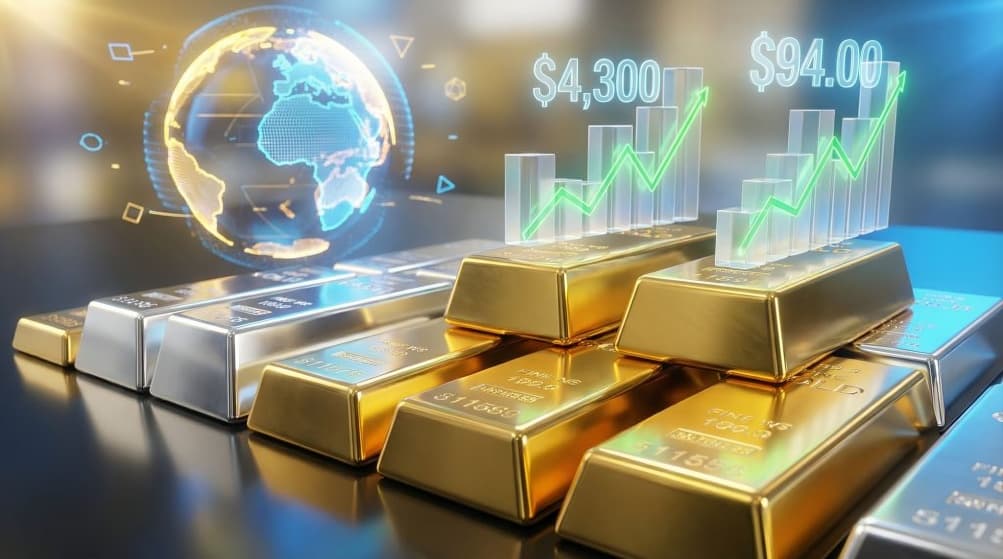
Gold and silver exchange traded funds have emerged as key focus areas for investors in early 2026, supported by a sustained rally in precious metal prices since the latter half of 2025. The renewed interest follows a period of strong performance, with gold and silver reaching or approaching record levels in both global and domestic markets.
In international markets, gold futures traded near historic highs, reflecting continued demand for safe haven assets amid economic uncertainty. Silver also witnessed sharp price movements, outperforming gold in percentage terms during several trading sessions. The rally has been driven by a combination of factors including expectations of lower interest rates, persistent inflation concerns, geopolitical tensions, and steady demand from central banks and institutional investors.
In India, the surge in global prices translated into record domestic levels. Gold prices briefly crossed Rs 1.5 lakh per 10 grams, while silver prices moved close to Rs 3 lakh per kilogram. These milestones triggered heightened activity across gold and silver ETFs listed on Indian exchanges, with increased volumes and noticeable price volatility.
Several domestic ETFs tracking gold and silver recorded strong inflows during this period. Investors, including retail participants, appeared to increase allocations to precious metals as part of portfolio diversification strategies. Financial advisors note that ETFs continue to be a preferred route for gaining exposure to gold and silver due to transparency, liquidity, and lower storage related concerns compared to physical metals.
Global ETFs tracking precious metals also witnessed elevated activity. Large international funds saw increased inflows as global investors looked to hedge against currency fluctuations, equity market volatility, and concerns around global growth. However, the rally has not been without sharp corrections. Periodic profit booking led to sudden pullbacks, highlighting the volatile nature of commodity linked investments.
Market analysts point out that expectations around monetary policy have played a major role in supporting precious metal prices. Anticipation of rate cuts by major central banks has reduced the opportunity cost of holding non interest bearing assets such as gold and silver. Additionally, continued purchases by central banks have provided a strong underlying demand base for gold.
Silver’s performance has also been supported by industrial demand, particularly from sectors such as renewable energy, electronics, and electric vehicles. This dual role as both a precious and industrial metal has contributed to sharper price movements compared to gold.
Despite the strong momentum, experts caution investors against chasing short term gains. Precious metals can be sensitive to changes in interest rate outlook, currency movements, and global risk sentiment. Long term investors are advised to maintain balanced exposure and align allocations with overall financial goals and risk tolerance.
As 2026 progresses, gold and silver ETFs are expected to remain in focus, with prices likely to respond to global economic data, policy decisions, and geopolitical developments. While near term volatility may persist, precious metals continue to hold relevance as strategic assets in diversified investment portfolios.


