Jio Platforms IPO Day 2: Subscription Reaches Around 3.5 Times as Retail Portion Gets Fully Booked
Jio Platforms’ initial public offering continued to draw strong investor interest on October 22, 2026, the second day of public bidding. The company’s Rs 30,213 crore IPO recorded an overall subscription of 3.48 times by 11 am, according to reported market data. The retail investor category was subscribed 1.03 times, indicating that demand had exceeded the number of shares reserved for that segment at the time of reporting.
The offering has attracted attention from institutional and individual investors because of Jio Platforms’ position in India’s telecommunications and digital services market. The company is backed by Reliance Industries and is preparing for a major stock market listing.
Retail Investor Participation
Retail participation strengthened during the second day of bidding. The retail category reached approximately 1.03 times subscription by 11 am on October 22, according to data reported by HDFC Sky. This means the number of shares applied for was slightly higher than the quantity reserved for retail investors at that time.
Retail subscription figures can change during the bidding period as investors submit, modify or withdraw applications where permitted. Therefore, the final subscription level will be determined after the issue closes.
The retail response is one part of the overall demand for the IPO. Investors should also examine the subscription figures for qualified institutional buyers, non-institutional investors, employees and eligible shareholders to understand how demand is distributed across categories.
Institutional Investors Lead Demand
Qualified institutional buyers recorded the strongest subscription among the main public investor categories in the figures available by 11 am on October 22. Their portion, excluding anchor investors, was subscribed 9.42 times. The non-institutional investor category was subscribed 2.34 times, while the retail portion reached 1.03 times.
Institutional demand is significant for a large public offering because it provides information about the level of applications from eligible financial institutions and other qualified investors. However, a high subscription multiple does not guarantee that the stock will deliver gains after listing.
The figures are time-specific and may differ from later updates published during the same day. The final subscription numbers should be checked against the latest exchange data after the bidding process closes.
Anchor Book Attracts More Than Rs 2.5 Lakh Crore in Demand
Before the public issue opened, Jio Platforms’ anchor investor book attracted bids worth more than Rs 2.5 lakh crore, according to media reports. The anchor book had a much smaller allocation, with the company allotting shares worth approximately Rs 8,110 crore to 212 anchor investors at Rs 1,119 per share.
Anchor investors are institutional investors that receive allocations before the public bidding period, subject to the applicable rules. Their participation is separate from the subscription figures reported for the public issue.
The reported demand for the anchor book included interest from domestic mutual funds, insurance companies, global asset managers and sovereign wealth funds. These investors participate under different investment strategies and risk assessments.
The strong anchor demand has contributed to the attention surrounding the IPO, but anchor allocations should not be interpreted as a guarantee of listing performance or future returns.
Jio Platforms IPO Details
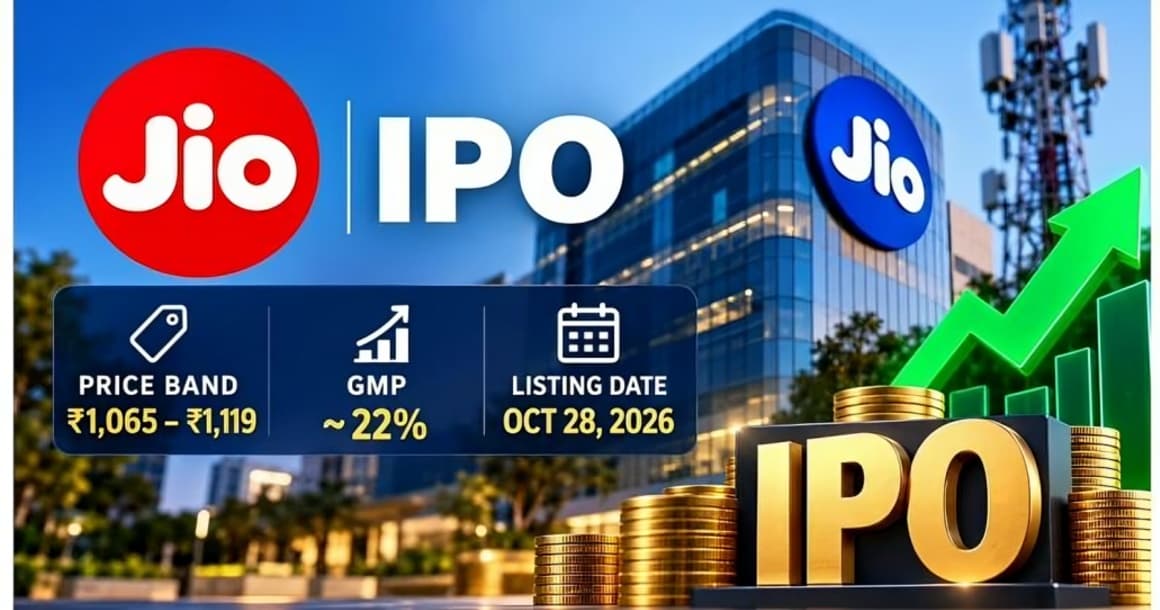
Jio Platforms’ public issue is valued at approximately Rs 30,213 crore, based on the reported offer details. The price band is Rs 1,065 to Rs 1,119 per share, and the issue opened for public subscription on October 21. The bidding period is scheduled to close on October 23, 2026.
The IPO is expected to be among the largest public offerings in India. The proposed listing is scheduled for October 28, 2026, subject to the issue timetable and applicable procedures.
Investors should check the official offer documents for the final issue structure, price, eligibility conditions, application process and allotment schedule. The final dates and details should be confirmed through official exchange announcements.
Why the IPO Is Drawing Attention
Jio Platforms operates the digital and telecommunications businesses associated with Reliance Industries. Its ecosystem includes connectivity services and digital offerings, with the telecom business serving more than 500 million subscribers, according to Reuters reporting.
The company has expanded beyond mobile connectivity into areas including home broadband, cloud services and artificial intelligence-related offerings. Its scale and position in India’s digital economy have made the IPO an important event for the domestic primary market.
Investors considering the offering may assess the company’s business growth, financial performance, competitive position, capital requirements and valuation. They should also consider risks relating to competition, technology investment, regulation and the company’s dependence on its telecommunications operations.
What Investors Should Watch Next
The IPO will remain open until October 23, and the overall subscription multiple may change as more applications are submitted. The final category-wise figures will show how demand developed during the complete bidding period.
After the issue closes, the next important stages include finalising the basis of allotment, processing refunds where applicable, crediting shares to successful applicants and preparing for the proposed stock market listing.
Investors should distinguish between subscription demand and investment performance. An oversubscribed IPO indicates that applications exceed the available shares in a category, but it does not establish the price at which the stock will trade after listing.
Jio Platforms’ second-day subscription figures show strong demand across investor categories, while the anchor book reflects substantial interest before the public offer began. The final subscription data and official exchange disclosures will provide a clearer picture once the bidding process is complete.