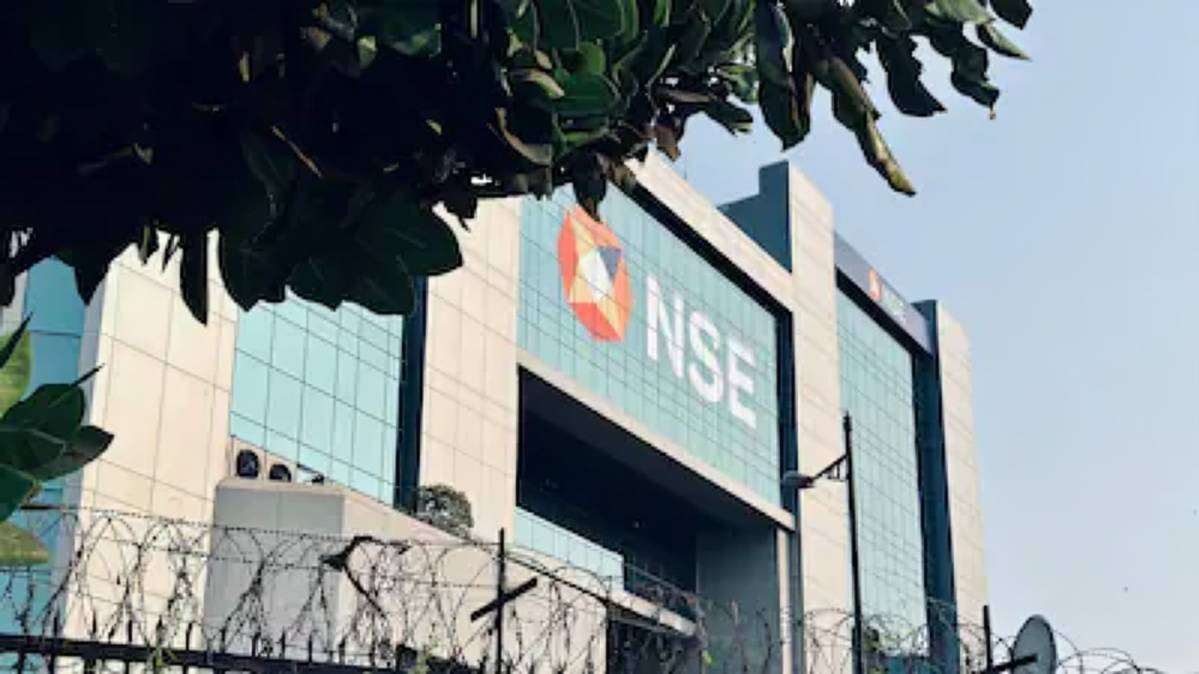
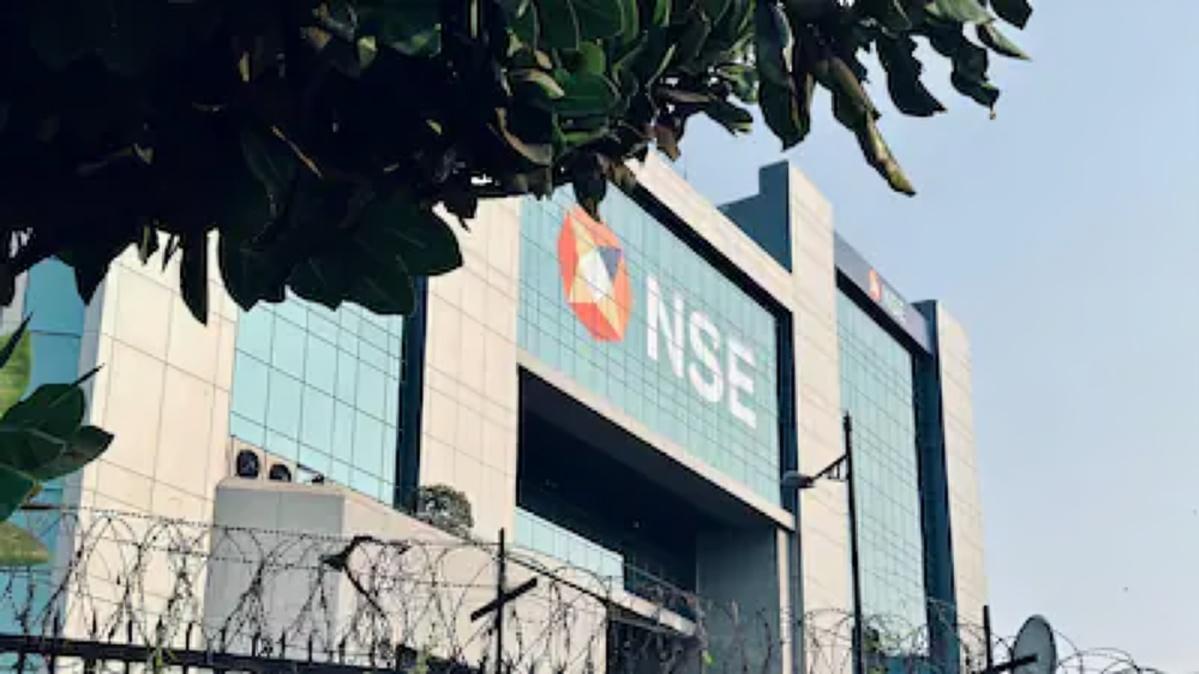
The National Stock Exchange of India has reportedly achieved a significant milestone by becoming the world’s third largest stock exchange operator by valuation.
According to the available report, NSE has reached a valuation of 64.1 billion dollars, equivalent to approximately Rs 6 lakh crore, surpassing the London Stock Exchange and Germany’s Deutsche Boerse.
The Indian exchange now reportedly ranks behind CME Group and Intercontinental Exchange in the global exchange operator rankings.
The development highlights the growing importance of India’s capital markets, expanding financial participation and the country’s increasing presence in the international financial ecosystem.
NSE Secures Third Position in Global Rankings
The National Stock Exchange has emerged as one of the most prominent financial market institutions in India.
Its reported valuation of 64.1 billion dollars has placed it ahead of several established international exchange operators.
According to the supplied information, CME Group and Intercontinental Exchange occupy the two leading positions, followed by NSE.
The reported ranking represents a comparison of the valuations of exchange operating companies rather than the combined market capitalisation of companies listed on their trading platforms.
This distinction is important because stock exchange operators can be evaluated using several different measures, including corporate valuation, trading volumes, revenue and the market capitalisation of listed securities.
NSE Surpasses London Stock Exchange and Deutsche Boerse
The reported development places NSE ahead of two established European financial market operators, the London Stock Exchange Group and Germany’s Deutsche Boerse.
Both organisations have longstanding roles in international financial markets and provide various trading, clearing, settlement and financial information services.
NSE’s reported position reflects the growing significance of Indian financial market infrastructure within the international exchange industry.
However, valuations can change depending on market conditions, company performance, investor expectations and exchange rate movements.
The available report does not specify the valuation methodology or the precise date on which the international comparison was conducted.
Growth of India’s Capital Markets
India’s capital markets have undergone significant changes over the past several decades, supported by technological development, regulatory reforms and expanding investor participation.
The increasing availability of digital investment platforms has made stock market participation more accessible to individuals across different regions.
Online trading services, electronic account opening and digital payment infrastructure have contributed to the development of a more accessible investment ecosystem.
Institutional investors, mutual funds and individual market participants also contribute to trading activity across Indian financial markets.
The expansion of the domestic capital market has created opportunities for financial institutions, brokerage firms, investment platforms and exchange operators.
NSE has played an important role in supporting this development through its electronic trading infrastructure and range of financial products.
National Stock Exchange and Its Role in Indian Finance
Established in 1992, the National Stock Exchange introduced modern electronic trading infrastructure that helped transform India’s securities market.
The exchange provides trading facilities across several financial segments, including equities, equity derivatives, currency derivatives and debt securities.
NSE is also associated with the Nifty 50 index, one of India’s most widely followed stock market benchmarks.
The index tracks 50 major companies across different industries and serves as an important indicator of domestic equity market performance.
The exchange’s infrastructure supports transactions involving individual investors, institutional participants and financial intermediaries.
Its operations remain subject to applicable regulatory requirements and oversight within India’s securities market framework.
Understanding NSE’s Reported Valuation
The reported valuation of 64.1 billion dollars represents an estimate of the value of the National Stock Exchange as a business.
Unlike publicly traded exchange operators, NSE’s valuation may be determined through transactions involving unlisted shares or other financial assessment methods.
The valuation of an unlisted company can differ depending on the methodology used, transaction prices and investor expectations.
Therefore, comparisons between listed and unlisted exchange operators require careful consideration of how their respective valuations have been calculated.
The reported figure of approximately Rs 6 lakh crore is also subject to fluctuations in currency exchange rates.
Further information about the valuation methodology would provide greater clarity regarding NSE’s position in the international rankings.
Factors That Could Influence NSE’s Valuation
Several factors can influence the valuation of stock exchange operators, including trading activity, revenue growth, profitability, technological capabilities and regulatory developments.
Stock exchanges generally generate revenue through services such as transaction fees, listing charges, market data distribution and other financial infrastructure activities.
Growing participation in capital markets can create opportunities for exchange operators to expand their services and increase business activity.
However, changes in transaction volumes, competition, regulatory policies and operational expenses can also influence financial performance.
The available report does not identify the specific factors responsible for NSE’s latest reported valuation.
Consequently, broader industry developments should be understood as explanatory background rather than confirmed reasons for the increase.
Importance of Technology and Market Infrastructure
Modern stock exchanges depend heavily on advanced technology to manage trading activity, process transactions and maintain reliable market operations.
Investment in cybersecurity, transaction processing systems and operational resilience remains important for financial market institutions.
Efficient trading infrastructure can support market accessibility, transparency and transaction reliability.
NSE’s electronic trading platform has contributed to the modernisation of India’s securities market and the expansion of investment opportunities.
As financial markets continue to evolve, exchange operators must also adapt to changing technological requirements and regulatory expectations.
Maintaining reliable infrastructure and protecting market integrity remain essential responsibilities.
What the Global Ranking Means for India
NSE’s reported emergence as the world’s third largest exchange operator by valuation highlights India’s increasing prominence in the global financial industry.
The development may strengthen international attention towards India’s capital market infrastructure and financial services sector.
However, a higher exchange operator valuation does not automatically indicate that India has the world’s third largest equity market or guarantee positive returns for investors.
The overall size of a country’s equity market is measured separately through the combined market capitalisation of its listed companies.
The reported ranking should therefore be interpreted within the specific context of exchange operator valuations.
As India’s financial markets continue to develop, NSE remains an important institution supporting securities trading, capital market participation and financial infrastructure.
Its reported valuation of 64.1 billion dollars represents a notable milestone, although future rankings will depend on changing valuations, business performance and international market conditions.