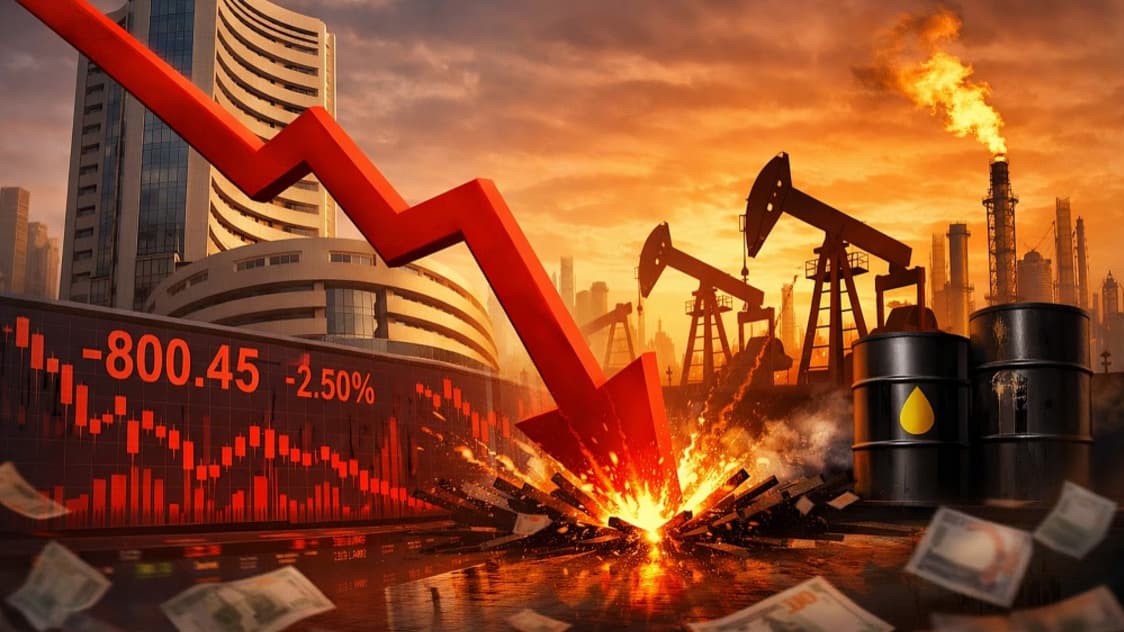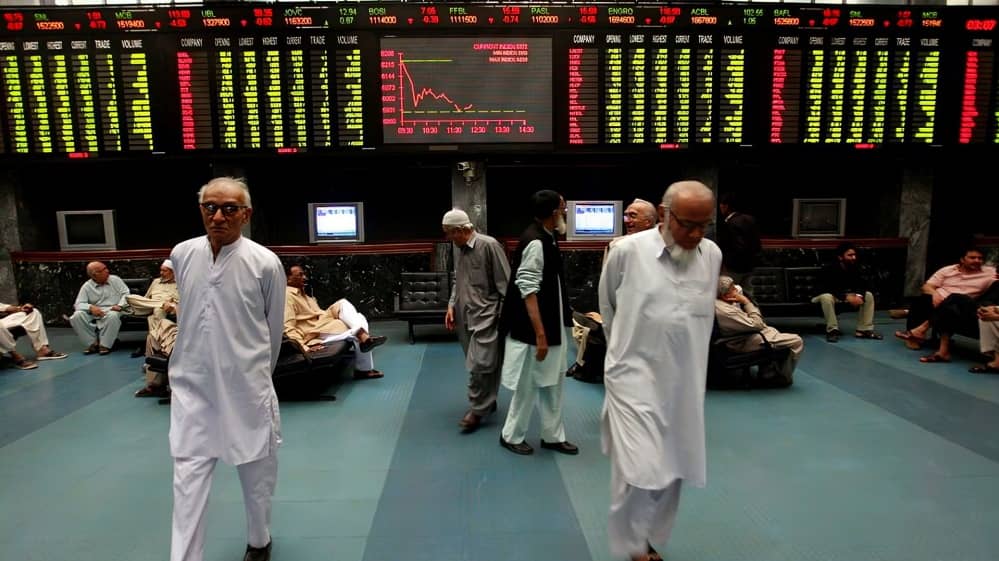
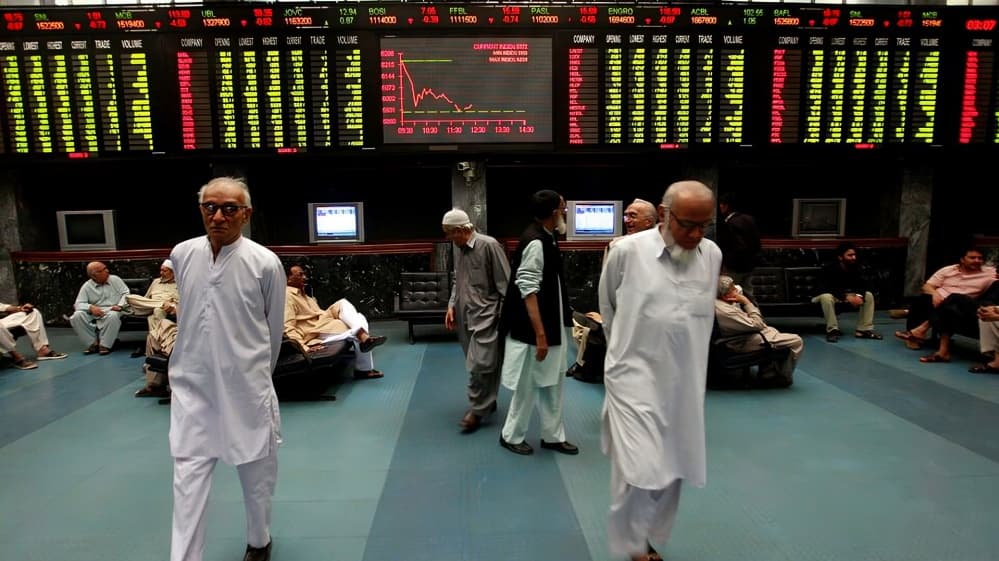
Pakistan’s stock market experienced a sharp decline after the failure of talks between the United States and Iran, triggering concerns among investors and leading to significant selling pressure. The benchmark KSE-100 Index recorded a steep fall during early trading hours, highlighting the impact of geopolitical developments on financial markets.
According to market data, the index dropped by thousands of points within a short period after trading began. The sudden decline reflects investor anxiety over escalating tensions in the Middle East, which have the potential to disrupt global economic stability. Geopolitical uncertainties often lead to cautious behaviour among investors, resulting in reduced risk appetite and increased market volatility.
The failure of diplomatic talks between the United States and Iran has added to concerns about potential disruptions in global trade and energy supplies. The Middle East is a key region for oil production, and any instability can have far reaching effects on economies worldwide. Markets tend to react quickly to such developments, as investors reassess risks and adjust their positions.
In Pakistan, the stock market’s response indicates a broader trend of uncertainty affecting emerging economies. Investors often move funds to safer assets during periods of instability, leading to declines in equity markets. The drop in the KSE 100 Index reflects this shift in sentiment.
Market analysts note that the decline was broad based, with multiple sectors experiencing selling pressure. Banking, energy, and industrial stocks were among those affected, as investors sought to reduce exposure amid uncertainty. The speed of the decline also suggests that panic selling may have contributed to the market movement.
Despite the sharp fall, experts emphasise that market corrections are not uncommon during periods of geopolitical tension. Such movements may stabilise once there is clarity on the situation. However, continued uncertainty could lead to prolonged volatility.
The impact of global events on local markets highlights the interconnected nature of modern financial systems. Even domestic markets are influenced by international developments, particularly when they involve major economies or critical regions such as the Middle East.
Investors are expected to closely monitor further developments in the US Iran situation, as any escalation or resolution could influence market trends. Policymakers and financial institutions may also take steps to maintain stability and restore confidence.
In addition to geopolitical factors, domestic economic conditions and policy measures will play a role in shaping market performance. Strong fundamentals and effective governance can help mitigate the impact of external shocks.
The current situation underscores the importance of diversification and risk management in investment strategies. Financial experts often advise spreading investments across different asset classes to reduce exposure to sudden market fluctuations.
Overall, the sharp decline in Pakistan’s stock market reflects the sensitivity of financial markets to geopolitical events. While short term volatility is expected in such scenarios, long term trends will depend on how the situation evolves and how effectively risks are managed.