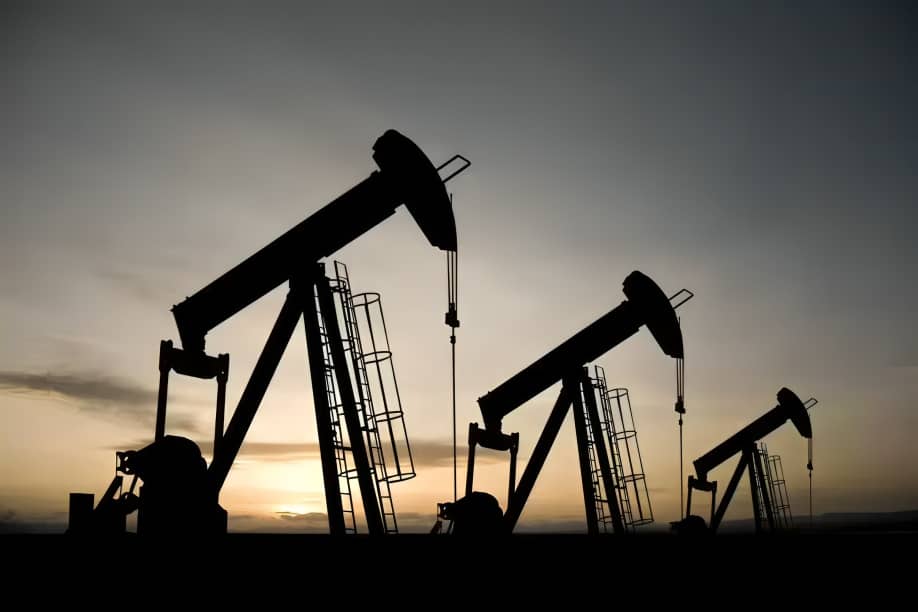

Rising crude oil prices are expected to have a significant impact on the economy of India, with estimates indicating that every 10 dollar increase in global crude prices could add nearly 14 billion dollars to the country’s import bill. This projection highlights the sensitivity of India’s economy to fluctuations in energy costs, given its heavy reliance on imported oil.
India imports a large portion of its crude oil requirements, making it vulnerable to global price movements. When crude prices rise, the cost of imports increases, putting pressure on the country’s trade balance and foreign exchange reserves. This can also lead to higher fuel prices domestically, affecting transportation costs, manufacturing expenses and overall inflation.
The situation is further influenced by India’s strong economic ties with West Asia. In the financial year 2025, trade between India and the region was valued at approximately 220 billion dollars. This includes both imports and exports, with a significant imbalance due to India’s dependence on energy imports from the region. Countries in West Asia are among the primary suppliers of crude oil to India, making the relationship strategically important.
In addition to trade, remittances from Indian workers in West Asia play a crucial role in supporting the domestic economy. Millions of Indians are employed in countries across the region, and the money they send back home contributes significantly to household incomes and national foreign exchange reserves. However, economic uncertainties in the region, including geopolitical tensions and fluctuations in oil prices, could impact employment opportunities and remittance flows.
Higher crude prices also have broader implications for economic policy. Rising import costs can widen the current account deficit, which may require adjustments in fiscal and monetary strategies. Policymakers often need to balance growth objectives with inflation control, especially when energy prices are volatile. Central banks may respond by adjusting interest rates, while governments may consider measures to manage fuel prices and support affected sectors.
Industries that rely heavily on fuel, such as aviation, logistics and manufacturing, are particularly sensitive to increases in oil prices. Higher operational costs can reduce profit margins and lead to increased prices for goods and services. This, in turn, can affect consumer spending and overall economic growth.
At the same time, fluctuations in global oil markets are often linked to geopolitical developments. Tensions in key oil producing regions can disrupt supply chains and drive price increases. As a result, India must closely monitor international developments and maintain strategic reserves to mitigate potential disruptions.
Experts emphasize the importance of diversifying energy sources to reduce dependence on imported oil. Investments in renewable energy, such as solar and wind power, are seen as long term solutions to enhance energy security. Additionally, improving energy efficiency and promoting alternative fuels can help reduce the overall impact of rising crude prices.
The government has also been working on strengthening trade relationships and exploring new markets to balance import export dynamics. Expanding domestic production and refining capacity are other strategies aimed at reducing vulnerability to global price fluctuations.
In conclusion, the impact of rising crude oil prices on India’s economy is substantial, with every 10 dollar increase potentially adding 14 billion dollars to the import bill. Strong trade ties with West Asia and reliance on energy imports make it essential for policymakers to adopt a balanced approach. Managing economic risks while ensuring sustainable growth will remain a key challenge in the face of ongoing global uncertainties.