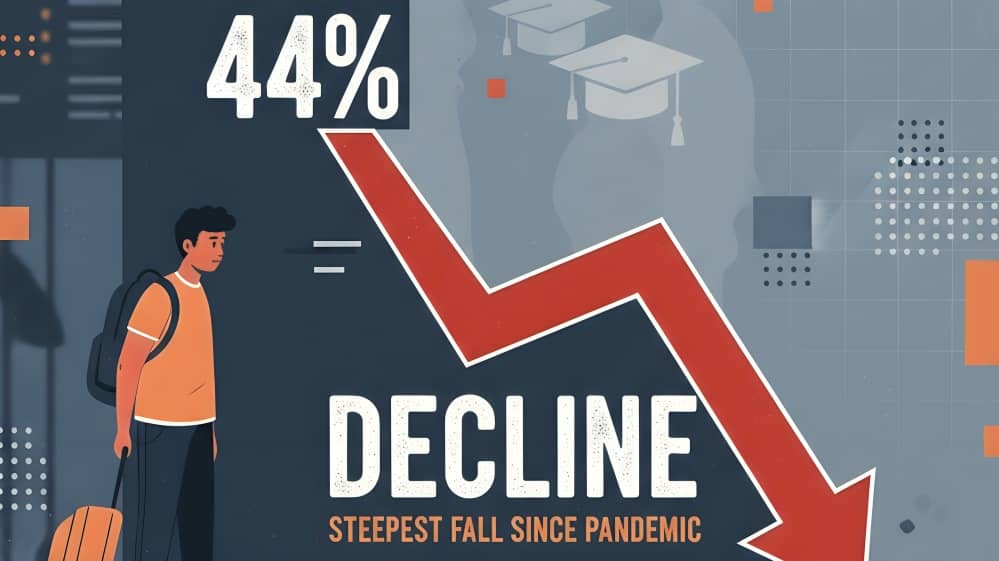
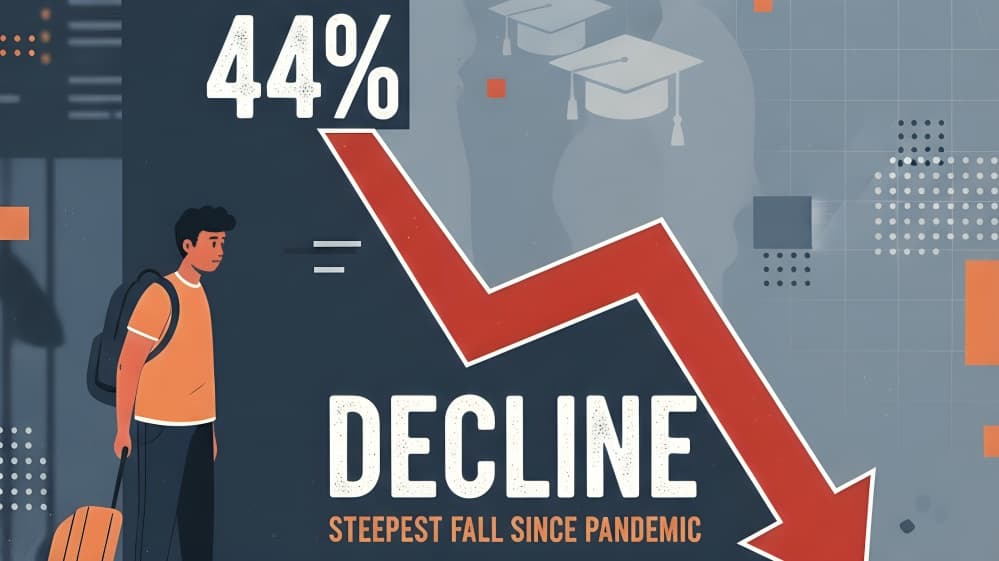
The number of Indian students studying in the United States has recorded a decline of nearly 6.9 percent, according to information presented in the Rajya Sabha. The decrease has been attributed primarily to stricter visa regulations and evolving global education dynamics.
The United States has traditionally been one of the most preferred destinations for Indian students pursuing higher education. However, recent policy changes and procedural requirements have made the visa process more challenging, affecting the flow of students. Stricter scrutiny, longer processing times, and increased documentation requirements are among the factors cited by experts.
In addition to visa related challenges, rising costs of education and living expenses have also played a role in influencing student decisions. Tuition fees at leading universities in the United States have continued to increase, making it a significant financial commitment for many families. Currency fluctuations further add to the cost burden, making alternative destinations more attractive.
As a result, many Indian students are now exploring other countries for higher education. Nations such as Canada, the United Kingdom, and Australia have gained popularity due to relatively flexible visa policies, post study work opportunities, and competitive education systems. These countries have actively promoted themselves as favorable destinations for international students.
The decline in student numbers also reflects a broader shift in global education trends. Students are increasingly prioritizing factors such as affordability, ease of visa processes, and employment opportunities after graduation. Governments around the world are adjusting their policies to attract international talent, leading to increased competition among destination countries.
Experts note that the movement of students across borders is influenced by multiple factors, including policy decisions, economic conditions, and career prospects. Any change in one of these elements can significantly impact student preferences. The recent decline in Indian students in the United States highlights the sensitivity of international education flows to policy changes.
The issue has also drawn attention in policy discussions within India. Ensuring that students have access to quality education opportunities, both domestically and internationally, remains an important consideration. Efforts to strengthen higher education institutions within the country may help reduce dependence on foreign universities over time.
Despite the current decline, the United States continues to be a major hub for higher education, offering world class institutions and research opportunities. Many students still consider it a preferred destination, particularly for specialized fields and advanced research programs.
The situation may evolve in the coming years depending on policy adjustments and global conditions. If visa processes become more streamlined and cost concerns are addressed, student numbers could stabilize or increase again.
Overall, the decline in Indian students in the United States reflects changing priorities and challenges in international education. It underscores the importance of balanced policies that support student mobility while ensuring accessibility and affordability. As students continue to explore global opportunities, education systems worldwide are likely to adapt to these evolving trends.