
Parents and guardians of MBBS students at P A Sangma International Medical College and Hospital in Meghalaya have appealed to the state government for urgent financial support to the institution, expressing concern that reported financial difficulties could affect the education, clinical training and future prospects of students.
The appeal was made through a memorandum submitted to the Commissioner and Secretary of the Meghalaya Health and Family Welfare Department. Parents of students from the 2026 MBBS batch said they had visited the medical college campus during the admission process and observed the development of various academic, clinical and healthcare facilities.
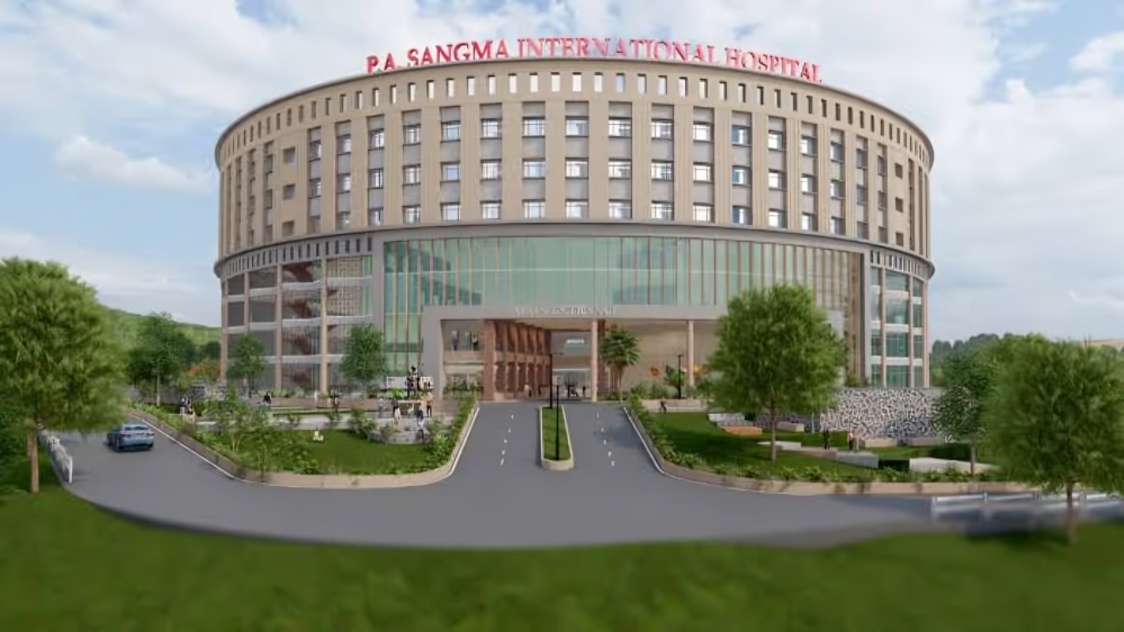
According to the parents, the campus includes ongoing development of a Super Speciality Hospital, clinical facilities, hostels and other infrastructure intended to support medical education and healthcare services. They said their interaction with the institution’s management and senior officials gave them a better understanding of the financial challenges reportedly facing the medical college.
The parents have expressed concern that financial difficulties could affect the institution’s ability to complete and operationalise essential infrastructure. They said this could have implications for the quality of medical education and clinical exposure available to students.
In their memorandum, the parents said the institution had made substantial investments in infrastructure and had taken on significant bank loans and other financial liabilities while developing the medical college and associated facilities.
They further claimed that the reported financial constraints had created difficulties in servicing bank instalments and had affected the timely payment of staff salaries. These claims were made by the parents in their representation to the state government.
The parents have therefore asked the Meghalaya government to consider providing appropriate financial assistance to the institution. They said government intervention could help the college meet its immediate financial obligations, complete essential infrastructure and maintain the academic and clinical standards expected by students and their families.
A senior health department official said the state government was considering the appeal. The government’s position will be important in determining what steps, if any, may be taken in response to the concerns raised by the parents.
P A Sangma International Medical College and Hospital is a private medical institution established under the University of Science and Technology, Meghalaya. The college is named after former Lok Sabha Speaker P A Sangma and is located in Baridua in the Ri Bhoi district of Meghalaya.
The National Medical Commission approved the institution to begin its MBBS programme in October 2024, and the first academic session commenced in the same year. The college has an approved intake of 100 MBBS seats. For the 2025 to 2026 academic session, 43 of the approved seats were allocated under the state quota, according to reports.
The Meghalaya government continues to publish official notifications related to MBBS admissions and counselling at the institution. Its Health and Family Welfare Department has issued notices for MBBS counselling and seat allotment for the 2026 to 2027 academic year.
The current dispute is therefore not about the existence of the MBBS programme but about concerns surrounding the institution’s financial position and the potential impact of those difficulties on students.
Parents have emphasised that their primary concern is the continuity and quality of medical education. They want students to receive adequate academic instruction, clinical training and access to the infrastructure required for their medical education.
The parents have also asked the government to ensure that students and their families are not required to bear additional financial costs because of the institution’s reported financial difficulties. They said students had joined the medical college based on existing fee commitments and expectations regarding education and clinical facilities.
The concerns come at an important stage for the institution, which is continuing to expand its medical education and healthcare infrastructure. A financial setback could potentially create challenges for the completion of planned facilities, although the extent of any such impact has not been independently established.
The University of Science and Technology Meghalaya has separately said that the medical college is facing serious financial hardship. In a letter to parents, the university reportedly attributed the situation to financial assistance that it said had not been received and to the fee structure applicable to state quota seats. The institution has also called parents for discussions regarding the future of the medical college and its students.
Parents have called for a solution that protects students from disruption while addressing the financial difficulties reported by the institution. They said timely government intervention would help protect the academic progress and career prospects of MBBS students.
The issue has also attracted attention because P A Sangma International Medical College is Meghalaya’s first private medical college. Its development is seen by the institution and its supporters as part of efforts to expand medical education and healthcare infrastructure in Meghalaya and the wider Northeast.
For the students and their families, the immediate concern remains the continuity of their MBBS education and clinical training. Any government decision on financial assistance, institutional support or other measures could have implications for the future functioning of the college.
At present, the financial difficulties described by the parents and the institution remain matters raised through representations and statements. The Meghalaya government is considering the appeal, and any official decision or further clarification will be important in determining the next steps.
The parents have ultimately urged the government and the institution to work toward a solution that safeguards students’ education, avoids additional financial pressure on families and supports the completion of the infrastructure required for medical training.