CBSE National Summit Focuses on Connecting School Education With Future Employment
The Central Board of Secondary Education is organising its fourth National Summit on Facilitating School-to-Work Transition in New Delhi on October 26 and 27, 2026. The two-day event, conducted in association with the Sahodaya School Complexes of Delhi NCR, aims to strengthen the integration of skill education into mainstream schooling and help students prepare for future employment opportunities.
The summit brings together school leaders, teachers, education specialists, industry representatives and policymakers to discuss ways to make school education more relevant to the changing needs of the workplace. The discussions focus on helping students develop practical competencies, explore career options and make informed decisions about their future.
Key Priorities of the National Summit
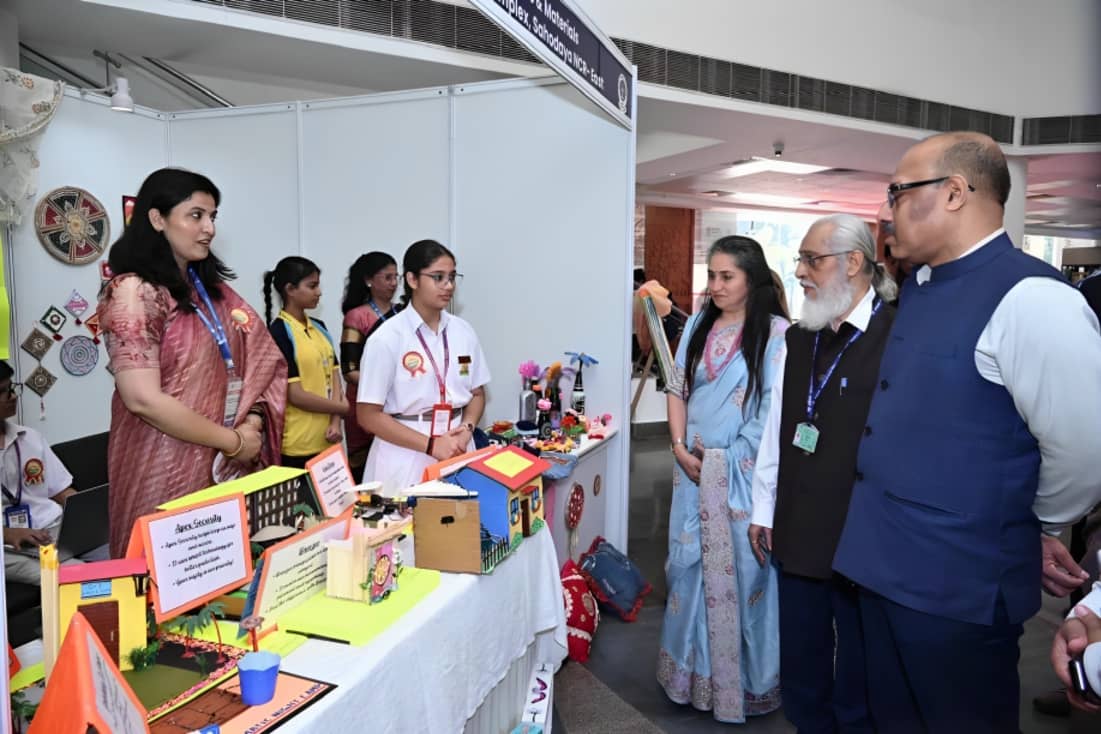
T. K. Anil Kumar, Secretary of the Department of School Education and Literacy, and Mandeep Bhandari, Chairman of CBSE, attended the summit alongside senior officials from the Ministry of Education and the board.
During the discussions, four key priorities were highlighted. These include technology, digital safety and skills; design, creativity and innovation; recognition of skills across education systems through the National Credit Framework; and career guidance with equitable pathways.
The priorities reflect the need to prepare students for a workplace shaped by technological change, new professional requirements and evolving career opportunities. They also emphasise the importance of ensuring that students can identify suitable pathways based on their interests, abilities and educational backgrounds.
Integrating Skill Education Into Mainstream Schooling
One of the central objectives of the summit is to strengthen the connection between academic learning and practical skill development. Traditional classroom education provides students with subject knowledge, but workplace readiness may also require problem-solving, communication, collaboration, digital literacy and the ability to adapt to new situations.
Integrating skill education into regular schooling can help students understand how their classroom learning relates to real-world applications. Practical activities, project-based learning and exposure to different career fields can provide opportunities to develop these competencies.
The summit also encourages schools to consider innovative teaching methods and assessment practices that support skill development. Educators can use practical assignments and activity-based learning to help students apply what they learn rather than relying exclusively on theoretical knowledge.
Technology, Digital Safety and Innovation
Technology and digital skills are among the major themes of the summit. As digital tools become increasingly important across industries, students need opportunities to develop appropriate technical knowledge and use technology responsibly.
Digital safety is another important consideration. Students should understand online risks, privacy, responsible digital behaviour and the importance of evaluating information critically. These skills can support safer participation in education and the workplace.
The focus on design, creativity and innovation highlights the value of encouraging students to explore problems, develop ideas and find practical solutions. Such approaches can support learning across different subjects and introduce students to a range of professional possibilities.
National Credit Framework and Recognition of Skills
The summit also highlights the role of the National Credit Framework in recognising learning and skills across education systems. The framework is intended to support greater coordination between academic education, vocational training and other recognised learning pathways.
Better recognition of skills can help learners understand how different educational experiences contribute to their development. It can also support more flexible progression between learning opportunities, vocational programmes and further education.
For students, a clearer understanding of recognised qualifications and skills may make it easier to explore different career routes. For educational institutions, the approach reinforces the importance of connecting classroom learning with practical competencies and structured skill development.
Career Guidance and Equal Opportunities
Career guidance is another major focus of the event. Students often need reliable information about higher education, vocational courses, professional qualifications and employment opportunities before choosing their next steps.
Effective guidance can help students identify their strengths, understand the requirements of different occupations and evaluate available pathways. Schools can support this process through counselling, career awareness programmes, interactions with professionals and information about further education.
The summit also stresses equitable pathways, highlighting the importance of making educational and career opportunities accessible to learners from different backgrounds. Providing appropriate guidance and information can help students make decisions based on their interests and abilities.
Strengthening Links Between Schools and Industry
The transition from school to employment can be challenging when students have limited exposure to workplace expectations. Collaboration between schools and industry can help bridge this gap by introducing students to practical applications, emerging occupations and the skills employers may require.
The summit provides a platform for participants to exchange ideas, share experiences and build professional networks. These interactions may help schools identify useful approaches to skill education and explore partnerships that support student learning.
Educators from CBSE-affiliated schools are also presenting case-based papers and posters featuring experiences and good practices in skill education. These presentations offer opportunities to discuss practical approaches that can be adapted by other institutions.
Alignment With the National Education Policy 2020
The summit supports the broader objectives of the National Education Policy 2020, which emphasises reducing the separation between academic and vocational education. By strengthening skill education within mainstream schooling, educational institutions can help students develop a broader range of competencies alongside academic knowledge.
The discussions also address innovative teaching and assessment methods, digital integration and strategies to improve the teaching-learning process. These areas are relevant as schools respond to changes in technology, employment patterns and the skills needed for further education.
What the Summit Means for Students and Schools
The fourth CBSE National Summit on Facilitating School-to-Work Transition places the focus on preparing students for life beyond school. Its discussions highlight the importance of combining academic learning with practical skills, career awareness and recognised learning pathways.
For schools, the event provides an opportunity to explore ways to strengthen skill-based education and improve students' understanding of future opportunities. For students, better access to practical learning and career guidance can help them make more informed decisions about further study, vocational training and employment.
The summit's broader objective is to establish stronger connections between school education, higher education, skill development and the workplace. By encouraging collaboration among educators, policymakers and industry representatives, the initiative aims to support a more flexible, inclusive and career-oriented education system in India.