
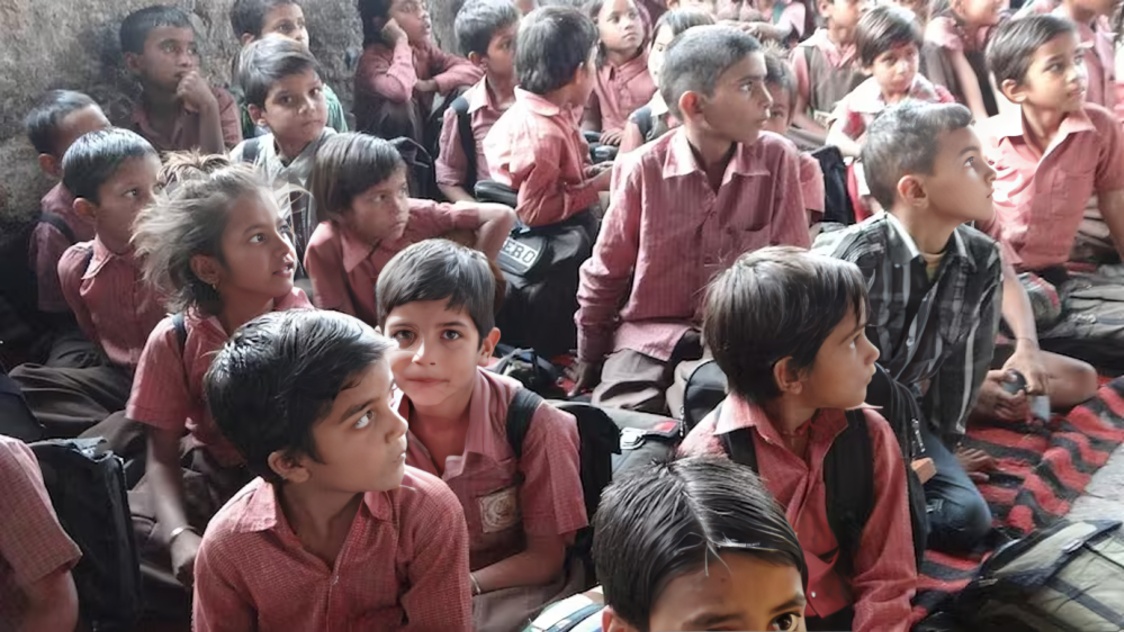
CJP spokesperson Saurav Das has raised concerns about the condition of basic infrastructure at a government primary school in Noida, bringing renewed attention to the quality of facilities available to students in government-run schools.
Das reportedly visited government schools in Noida as part of an effort to examine the facilities available to students. During the inspection, he highlighted concerns about basic infrastructure and called on political leaders in Uttar Pradesh to pay greater attention to government schools and the facilities provided to children.
The issue is significant because government schools remain an important part of the public education system. For many families, particularly those from economically weaker sections, these institutions provide access to primary and secondary education. The availability of clean classrooms, functional toilets, drinking water, electricity, safe buildings and other basic facilities can directly affect the school environment and students' daily experience.
Das's comments focused on the need to examine government schools at the ground level rather than relying only on official claims about education infrastructure. He also appealed to young people to inspect government schools in their own areas and draw attention to issues that require administrative attention.
The Noida inspection comes amid wider public discussions about the condition of government schools in different parts of India. Infrastructure remains an important component of school education because students require a safe and functional environment in which to learn. While academic quality, teacher availability and learning outcomes are central to education, physical facilities also play an important role in supporting regular attendance and classroom learning.
According to reports, Das used his inspection to question whether government schools are receiving sufficient attention from political representatives. His remarks were directed at the broader issue of ensuring that basic requirements are available in schools rather than focusing exclusively on larger education announcements or new programmes.
The concerns raised by Das should be understood as observations and criticism from a political organisation rather than as an independent government assessment of all schools in Noida. Conditions can vary considerably between individual institutions, and official education departments may have their own records regarding infrastructure, maintenance and ongoing improvement work.
Noida is part of Gautam Buddh Nagar district in Uttar Pradesh and has experienced substantial urban and economic development over the years. The growth of the region has increased attention on public services, including education. Government schools in rapidly developing areas may face different challenges from those in other parts of the state, including the need to maintain existing buildings and facilities while serving changing student populations.
Basic infrastructure in schools typically includes classrooms, toilets, drinking water facilities, electricity, boundary walls, furniture and other essential amenities. The condition and availability of these facilities can influence the overall learning environment. Regular maintenance is also necessary because infrastructure can deteriorate over time even when a school initially receives adequate facilities.
The discussion also raises questions about accountability. When concerns about government school infrastructure are identified, the relevant education and local administrative authorities can assess the issues and determine whether repairs, upgrades or additional resources are required. Public inspections and community feedback can help draw attention to problems, but formal assessments and official records are necessary before conclusions are reached about the scale of an infrastructure problem.
Das has also encouraged citizens, particularly young people, to take an interest in the condition of schools in their neighbourhoods. Such participation can increase public awareness about government education facilities. However, any inspection or reporting should ideally be based on accurate information and should distinguish between individual shortcomings and wider systemic problems.
The issue is also connected with the broader question of educational equality. Students attending government schools should have access to safe and functional facilities irrespective of their economic background. Differences in infrastructure between schools can contribute to unequal learning environments, making regular monitoring and investment important for public education systems.
Uttar Pradesh has undertaken various programmes aimed at improving government school infrastructure and education facilities. At the same time, infrastructure development is an ongoing process, and individual schools may continue to require maintenance or additional resources. Concerns raised by public representatives, parents, teachers and community members can therefore become part of the larger discussion about how such improvements are implemented.
The Noida inspection has also attracted attention because it comes at a time when government school performance and infrastructure are frequently discussed in political debates. Education is a major public policy issue, and school facilities often become a visible measure of how governments are delivering public services.
For students and parents, however, the most important consideration remains whether schools provide a safe, clean and supportive environment for learning. Infrastructure concerns should be addressed through appropriate administrative channels, with clear assessments of the facilities that need improvement and timelines for corrective action.
The observations made by Saurav Das may therefore contribute to a wider conversation about the condition of government schools in Noida and Uttar Pradesh. Whether individual concerns identified during an inspection lead to official action will depend on the response of the relevant authorities.
It is also important to avoid generalising the condition of one school to every government school in Noida or Uttar Pradesh. School infrastructure can differ from one institution to another, and an individual inspection does not by itself establish the overall condition of the state's government education system.
The latest development highlights the importance of continued monitoring of public education infrastructure. Government schools require regular investment, maintenance and administrative oversight to ensure that students receive appropriate facilities alongside academic instruction.
For political leaders and education authorities, the concerns raised by Das provide another opportunity to examine the availability of basic amenities in individual schools. For parents and communities, the episode highlights the role that local participation and responsible reporting can play in identifying problems.
The focus on basic infrastructure ultimately goes beyond political criticism. Clean facilities, safe buildings, functional classrooms and adequate sanitation are fundamental requirements for a school environment. Addressing such issues can support both student welfare and the broader objective of improving public education.