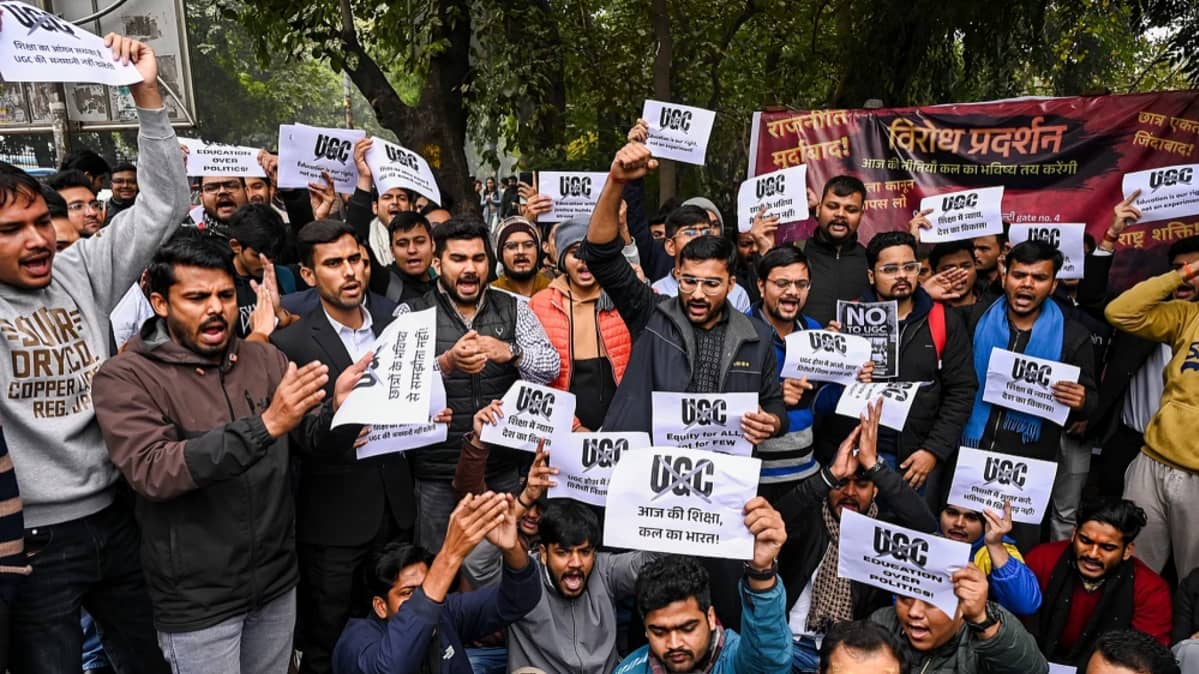

The Delhi Teachers Association has criticised a recent statement issued by Delhi University concerning ongoing student protests, alleging that the university's response does not adequately address the concerns raised by students. The association has urged the administration to prioritise dialogue and engage with students in a constructive manner to resolve the issues under discussion.
According to the teachers' association, the university's statement has generated debate within the academic community regarding how educational institutions should respond to campus demonstrations. The association maintains that the focus should remain on understanding the concerns expressed by students and working towards practical solutions through open communication.
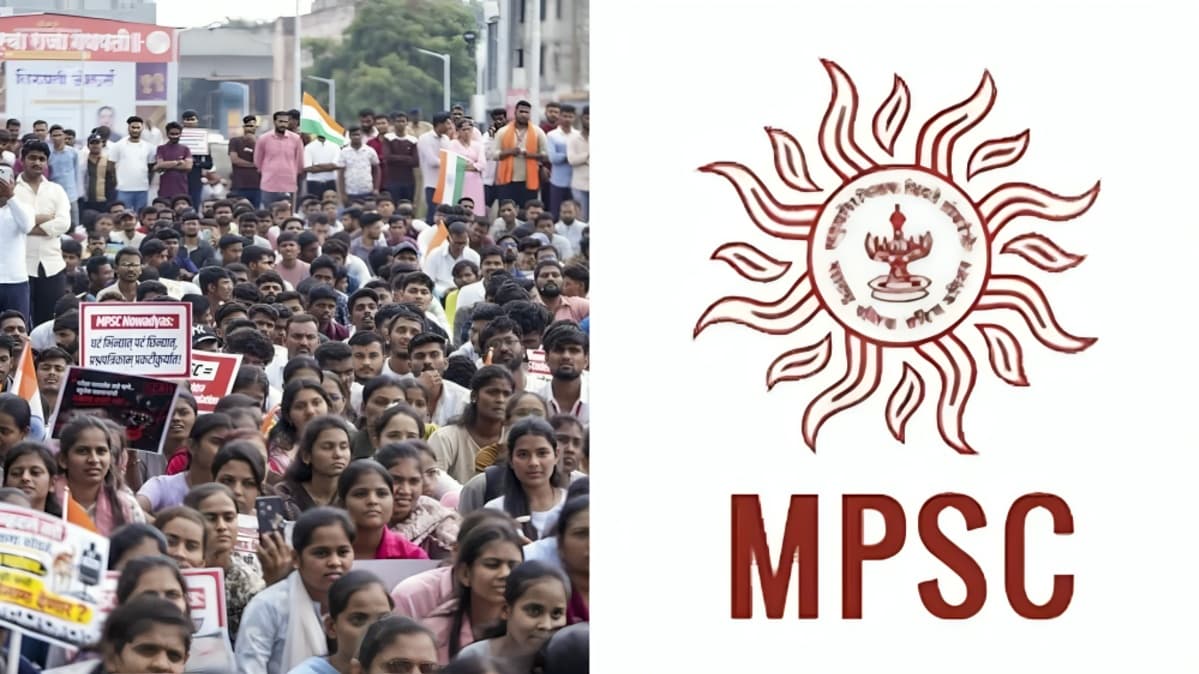
Student protests have become a subject of discussion at several educational institutions across the country in recent months. Students have raised concerns on a variety of academic and administrative issues, including examination processes, educational policies, campus facilities, and broader matters affecting higher education.
The Delhi Teachers Association stated that universities play an important role in encouraging open discussion while maintaining a safe and orderly academic environment. It argued that meaningful engagement between students, faculty members, and administrators is essential for resolving differences and preserving trust within educational institutions.
The association also emphasised the importance of protecting the academic atmosphere on university campuses. It said that constructive dialogue can help address concerns more effectively than prolonged disagreements and encouraged all stakeholders to participate in discussions with a spirit of cooperation.
The university's statement regarding the protests has attracted attention from students, faculty members, and education observers. While opinions differ on the issue, the development has highlighted the broader discussion about balancing institutional administration with the right of students to express their views peacefully within the framework of university regulations.
Education experts note that student participation has historically played a significant role in shaping discussions on academic reforms, campus governance, and student welfare. Universities often serve as spaces where diverse perspectives are expressed and debated, making communication between administrators and students particularly important.
Many higher education institutions have established formal mechanisms such as grievance committees, student representative bodies, faculty advisory groups, and consultation meetings to address concerns raised by students. These platforms are intended to facilitate dialogue while ensuring that academic activities continue without unnecessary disruption.
Faculty organisations have also highlighted the importance of transparency in institutional communication. They argue that clear explanations of administrative decisions and timely engagement with stakeholders can help reduce misunderstandings and strengthen confidence within the academic community.
Observers believe that resolving campus issues often requires collaboration among students, teachers, university administrators, and governing bodies. Constructive engagement can contribute to mutually acceptable solutions while maintaining the educational objectives of the institution.
The discussions surrounding the recent protests have also drawn attention to the broader challenges faced by higher education institutions, including maintaining academic continuity, supporting student welfare, and responding effectively to concerns raised by campus communities.
Educational institutions are expected to balance academic responsibilities with opportunities for dialogue, ensuring that students and faculty members can participate in discussions within an environment that promotes mutual respect and institutional stability.
At the time of reporting, the differing viewpoints expressed by the Delhi Teachers Association and the university reflect an ongoing discussion regarding the handling of student concerns and campus protests. The statements made by both sides represent their respective positions, and any further developments may depend on continued communication between university authorities, faculty representatives, and student groups.
The situation highlights the importance of transparent institutional engagement and collaborative problem solving in higher education. Many education experts believe that sustained dialogue, respect for differing perspectives, and a commitment to academic values remain essential for addressing challenges within university campuses while supporting the interests of students and the broader academic community.