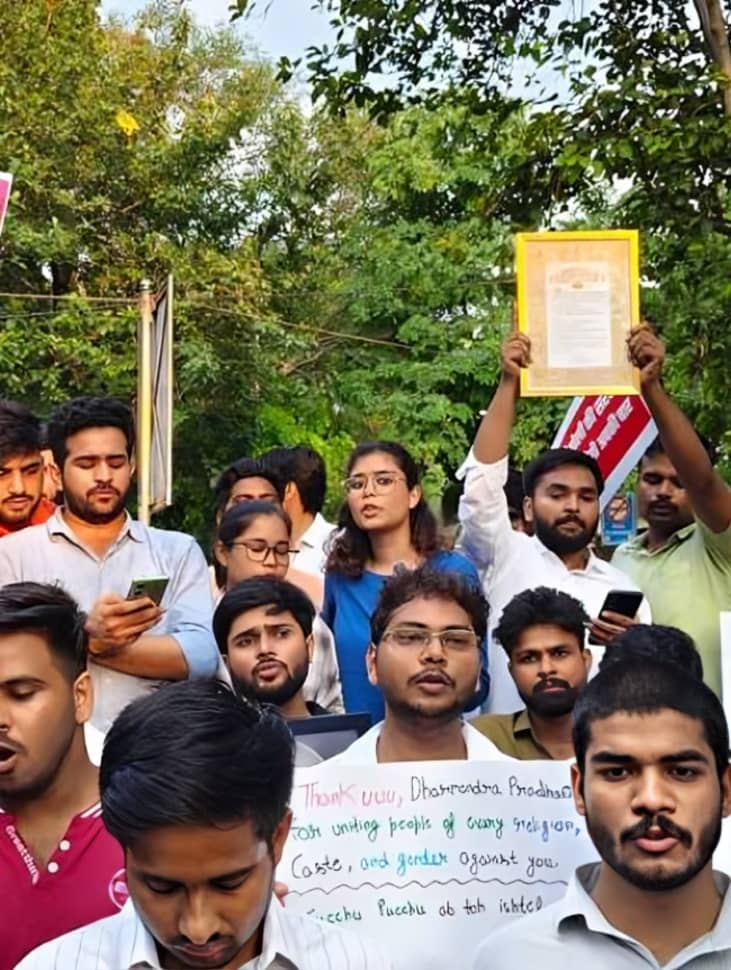

The commencement of the new academic session at Delhi University has brought thousands of first-year students to campus, where discussions have extended beyond academics to include recent student protests witnessed in the national capital. As freshers begin their university journey, many have shared differing perspectives on demonstrations, reflecting a broad range of opinions on student participation in public issues.
According to interactions with newly admitted students, opinions remain divided regarding the role of campus protests. Some students believe peaceful demonstrations are an essential part of democratic participation and provide young people with an opportunity to express their views on matters affecting education and society. Others feel that while students have the right to voice their concerns, protests should not interfere with regular academic activities or disrupt the learning environment.
The differing viewpoints illustrate the diversity of opinions that exist within university campuses. Students arriving from different states, educational backgrounds, and social environments often bring varied experiences that shape their understanding of civic participation and campus engagement.
Supporters of student activism argue that universities have historically served as spaces for debate, discussion, and democratic expression. They believe that peaceful and lawful protests can encourage dialogue between students, educational institutions, and policymakers while drawing attention to issues affecting higher education.
At the same time, several freshers expressed the view that maintaining academic continuity should remain a priority. They emphasized that classroom learning, examinations, research, and extracurricular activities should not be significantly affected by demonstrations or campus tensions. Many suggested that constructive dialogue between students and university authorities could help resolve issues without disrupting educational activities.
The beginning of a new academic year is often a period of adjustment for first-year students as they become familiar with university life, academic expectations, and campus culture. During this transition, exposure to debates on social and political issues is considered part of the broader educational experience at many higher education institutions.
Education experts note that universities frequently encourage critical thinking, respectful discussions, and civic awareness while also expecting students to follow institutional rules and maintain a peaceful academic environment. Balancing freedom of expression with the smooth functioning of educational institutions remains an important aspect of campus administration.
Delhi University, one of India's largest public universities, attracts students from across the country each year. Its diverse student population contributes to a wide range of opinions on academic, cultural, and public policy issues. Discussions on current events often take place through student organizations, debates, seminars, and campus forums.
University administrators generally encourage students to engage responsibly with campus activities while ensuring that academic schedules, examinations, and institutional operations continue without interruption. Student representatives and university authorities often work together to address concerns through established communication channels.
The recent conversations among freshers reflect broader discussions taking place in educational institutions regarding the role of students in public life. While some believe universities should actively encourage civic participation, others stress the importance of maintaining an environment primarily focused on education and personal development.
Experts suggest that open dialogue, mutual respect, and adherence to institutional guidelines can help create a balanced campus atmosphere where students are able to express their views while continuing their academic pursuits. Such an approach enables universities to remain spaces for learning, intellectual exchange, and responsible citizenship.
As the new academic session progresses, first-year students are expected to become more actively involved in campus life through academic programmes, student societies, cultural activities, and community engagement. Their diverse perspectives contribute to the dynamic and inclusive environment that characterizes university education.