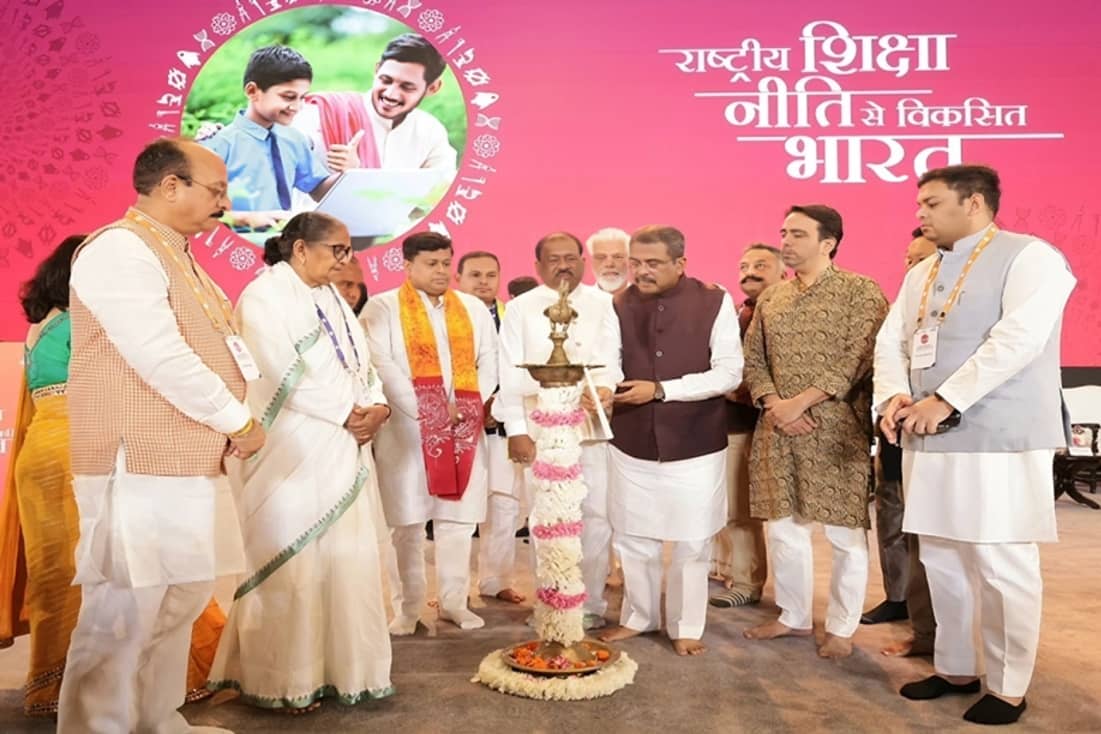
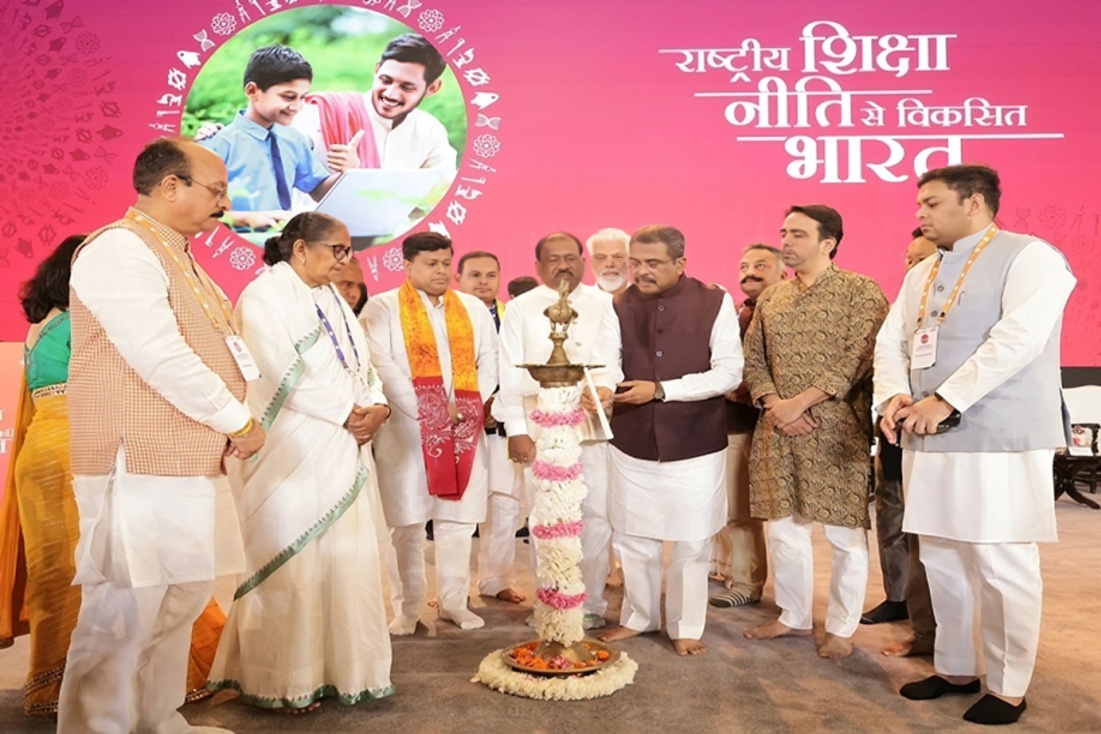
The Ministry of Education has concluded a two day review meeting to assess the progress of various Centrally Sponsored school education schemes, with discussions focusing on improving the quality, accessibility, and effectiveness of education across the country. The meeting brought together education officials and stakeholders to evaluate the implementation of key programmes and to discuss strategies for strengthening India's school education system.
During the concluding session, Union Minister of State for Education Sukanta Majumdar highlighted the significance of the National Education Policy (NEP) 2020 in transforming the country's education landscape. He stated that the policy provides a comprehensive roadmap for developing an inclusive, equitable, and skill oriented education system capable of preparing students for the evolving demands of the twenty first century.
The minister emphasized that the objectives of NEP 2020 are closely aligned with the national vision of Viksit Bharat 2047, which aims to position India as a developed nation by the centenary year of its independence. According to the ministry, education plays a central role in achieving this long term vision by equipping students with knowledge, practical skills, innovation capabilities, and critical thinking abilities.
The review meeting examined the progress of several Centrally Sponsored school education schemes implemented across states and union territories. Officials discussed achievements, ongoing challenges, and opportunities for improving programme delivery to ensure that educational benefits reach students efficiently and effectively.
Particular attention was given to enhancing foundational literacy and numeracy, strengthening school infrastructure, promoting digital learning, improving teacher training, and expanding access to quality education in rural and underserved regions. These areas continue to remain important priorities under the National Education Policy.
The discussions also focused on creating an education system that supports holistic student development rather than concentrating solely on academic performance. NEP 2020 encourages experiential learning, multidisciplinary education, vocational training, creativity, and the development of practical life skills that prepare students for higher education and employment.
Skill development formed another key component of the meeting. Education officials emphasized the importance of integrating vocational education into school curricula to help students acquire industry relevant competencies from an early stage. This approach is expected to improve employability while encouraging innovation and entrepreneurship among young learners.
Digital education initiatives were also reviewed during the meeting. Authorities discussed expanding technology enabled learning, improving digital infrastructure in schools, and ensuring that students and teachers have access to modern educational resources. Digital platforms are increasingly being used to enhance classroom learning, teacher capacity building, and educational administration.
Teacher development remained a major area of discussion, with emphasis placed on continuous professional training, modern teaching methodologies, and the effective implementation of competency based learning practices recommended under NEP 2020. Well trained educators are considered essential for successfully implementing educational reforms.
The ministry also reiterated its commitment to inclusive education by ensuring that students from all social, economic, and geographical backgrounds have equal opportunities to access quality schooling. Efforts continue to focus on reducing educational disparities while supporting girls, children with disabilities, and students from disadvantaged communities.
Officials reviewed coordination between the Central Government and state governments to strengthen policy implementation and improve educational outcomes. Regular monitoring, data driven decision making, and collaborative planning were identified as important elements for achieving the objectives of school education programmes.
Education experts note that successful implementation of the National Education Policy requires sustained investment in infrastructure, teacher capacity, curriculum development, technology integration, and institutional governance. Continuous evaluation and cooperation among stakeholders will be critical for achieving long term educational goals.
The conclusion of the review meeting reaffirmed the Ministry of Education's commitment to strengthening India's school education system through effective implementation of Centrally Sponsored schemes and the National Education Policy 2020. By promoting inclusive learning, skill development, innovation, and quality education, the government aims to build a future ready education system that contributes significantly to the broader vision of Viksit Bharat 2047 and supports the country's long term social and economic development.