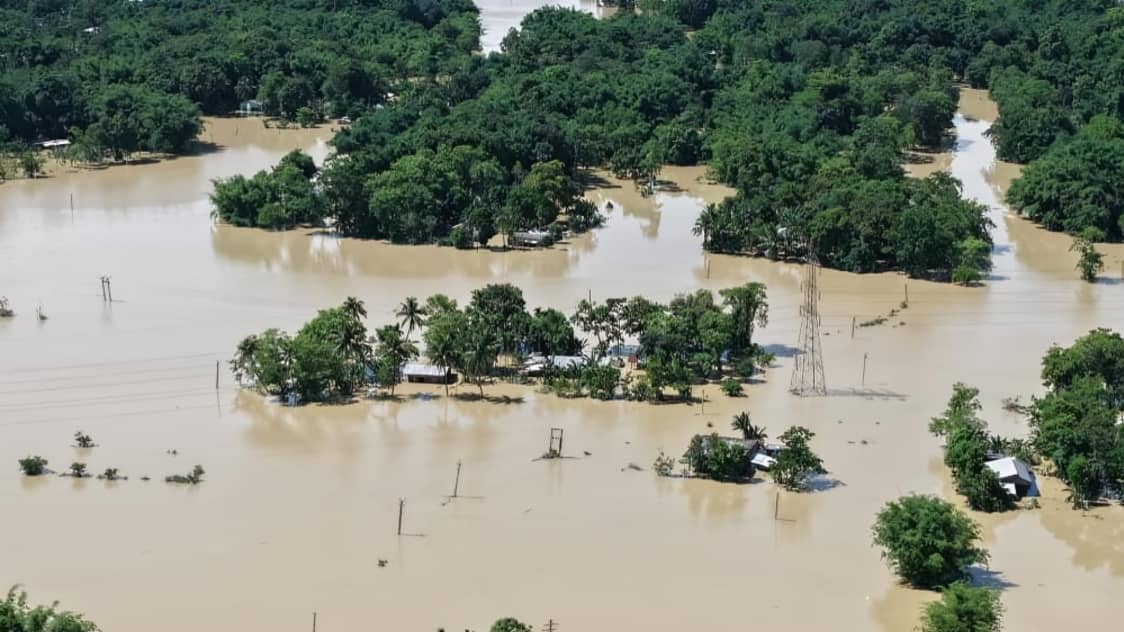

Gauhati University has initiated a comprehensive conservation and restoration programme to preserve rare Sanchipat manuscripts that suffered damage during the recent floods in Assam. The initiative aims to protect centuries old handwritten manuscripts of historical, literary, and cultural importance that were affected by floodwaters in Sivasagar district.
The restoration project has been launched in response to concerns raised by historians, archivists, and heritage experts over the condition of valuable manuscripts stored in flood affected areas. Among the important documents identified for preservation is a handwritten Ramayana estimated to be nearly 300 years old, along with several other rare manuscripts that reflect Assam's rich intellectual and cultural traditions.
Sanchipat is a traditional writing material prepared from the bark of the Sanchi tree, which has been used in Assam for centuries to record religious texts, literature, historical accounts, and scholarly works. These manuscripts are considered invaluable cultural assets because they preserve the literary, linguistic, and religious history of the region.
According to university officials, the conservation programme involves carefully assessing the condition of each manuscript before beginning restoration work. Specialists in manuscript preservation are using scientific conservation methods to remove moisture, prevent fungal growth, stabilize fragile pages, and restore damaged sections without compromising the authenticity of the original documents.
Experts involved in the project emphasized that flood damage can significantly weaken traditional manuscript materials. Prolonged exposure to water and humidity increases the risk of mold formation, ink deterioration, and permanent structural damage. Immediate conservation efforts are therefore essential to prevent further deterioration.
The restoration initiative is expected to involve collaboration between historians, conservation scientists, archivists, librarians, and heritage professionals. Their combined expertise will help ensure that the manuscripts are preserved using internationally accepted conservation standards while respecting traditional preservation practices.
University officials stated that protecting historical manuscripts is an important responsibility because these documents provide valuable insights into the cultural, religious, educational, and social history of Assam. Many of the manuscripts contain unique versions of classical texts, local historical records, traditional medical knowledge, and religious literature that are not available elsewhere.
Apart from physical restoration, the university is also exploring measures to improve long term preservation. These may include digitization of manuscripts, climate controlled storage facilities, advanced cataloguing systems, and the creation of digital archives to ensure that future generations can access these historical resources without risking damage to the original documents.
The initiative has received appreciation from scholars and heritage conservation experts, who believe it highlights the importance of protecting India's documentary heritage from natural disasters. Floods frequently threaten museums, libraries, archives, and private collections across several parts of the country, making disaster preparedness an increasingly important aspect of cultural preservation.
The restoration of the Sanchipat manuscripts is expected to strengthen research opportunities for historians, linguists, archaeologists, and students interested in the history and cultural traditions of Northeast India. Once restored, many of these manuscripts may become available for academic research and public exhibitions under appropriate preservation conditions.
Through this conservation effort, Gauhati University seeks to preserve Assam's invaluable literary heritage while ensuring that rare historical manuscripts continue to serve as important sources of knowledge, culture, and identity for future generations.