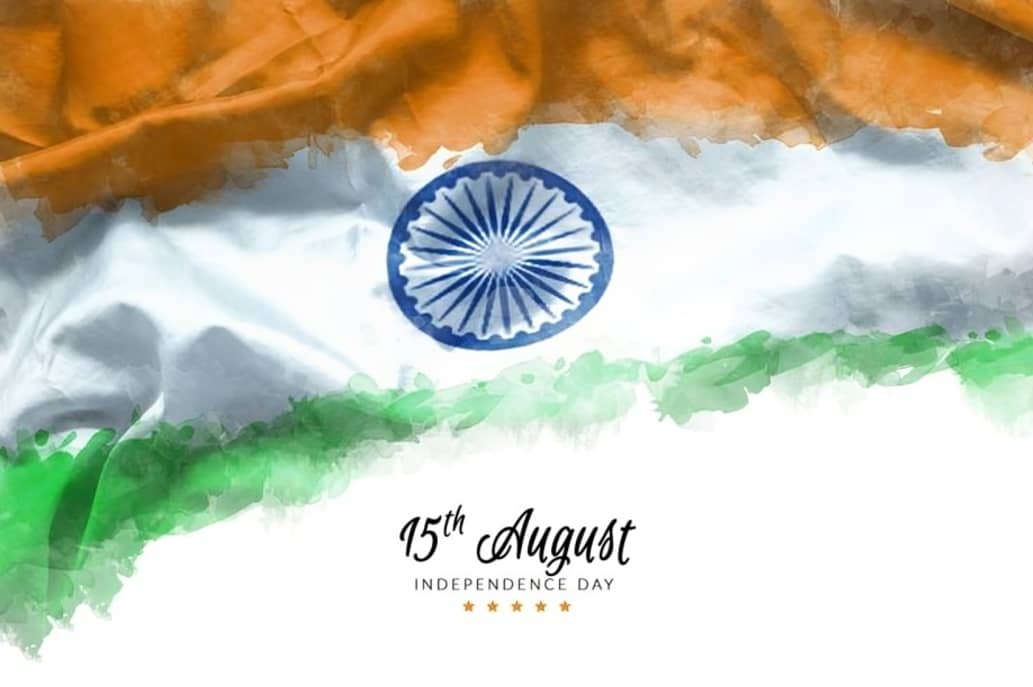

India celebrates Independence Day on August 15 every year to mark the country's independence from British colonial rule. The occasion commemorates the transfer of power in 1947 and the beginning of India's journey as an independent nation.
The choice of August 15 was made during the final stages of negotiations surrounding the transfer of power from British authorities to Indian leaders. Lord Louis Mountbatten, the last Viceroy of British India, played a central role in overseeing the transition.
India's independence was the result of a long political and social movement against British rule. Over several decades, Indian national leaders, freedom fighters and ordinary citizens participated in movements demanding self government and independence.
The Indian independence movement gained significant momentum during the twentieth century. The Indian National Congress and several other political and social groups played important roles in mobilising people against colonial rule.
Mahatma Gandhi's campaigns based on non violence and civil disobedience became particularly influential. Movements such as the Non Cooperation Movement, Civil Disobedience Movement and Quit India Movement contributed to growing pressure on British authorities.
By the end of the Second World War, Britain faced significant economic and political challenges. The demand for Indian independence had also become increasingly difficult for the British government to ignore.
Lord Mountbatten was appointed the last Viceroy of British India in 1947. His principal responsibility was to oversee the transfer of power and the eventual end of British rule.
The original timeline for independence was brought forward. The Indian Independence Act was passed by the British Parliament in July 1947, providing the legal framework for the creation of two independent dominions, India and Pakistan.
August 15 was selected as the date for India's independence. One explanation associated with Mountbatten's choice is its connection with the Japanese surrender in 1945.
Japan's surrender to the Allied powers on August 15, 1945, marked a major turning point in the final stages of the Second World War. Mountbatten had been the Supreme Allied Commander of the South East Asia Command and had a direct wartime association with the Japanese surrender.
The selection of August 15 therefore carried personal and historical significance for Mountbatten. However, the importance of India's Independence Day comes primarily from the transfer of power and the end of British colonial rule.
India became independent at midnight between August 14 and August 15, 1947. Jawaharlal Nehru, who became India's first Prime Minister, delivered his famous address to the nation in the Constituent Assembly.
His speech, commonly known as Tryst with Destiny, marked the historic beginning of India's independent political journey.
The first Independence Day celebrations took place on August 15, 1947. Since then, the date has remained India's national day commemorating independence.
Every year, the Prime Minister of India unfurls the national flag at the Red Fort in New Delhi. The ceremony is followed by an address to the nation highlighting the country's achievements, challenges and future priorities.
Independence Day is observed across India through flag hoisting ceremonies, cultural programmes, educational activities and public events. Government institutions, schools and colleges commonly organise programmes to remember the contribution of freedom fighters.
The day also serves as an opportunity to reflect on the sacrifices made during India's freedom struggle. Thousands of people participated in various movements and campaigns against colonial rule, and many faced imprisonment, persecution and other hardships.
The independence movement was not limited to a single organisation or individual. Different leaders, communities and political groups contributed to the wider struggle in different ways.
The period leading to independence was also marked by the partition of British India. India and Pakistan emerged as independent dominions in August 1947, but partition resulted in widespread displacement and communal violence.
Millions of people were forced to leave their homes as populations moved across the newly created borders. The period remains one of the most painful chapters associated with India's independence.
Despite the difficulties surrounding independence, August 15 became a symbol of India's freedom and sovereignty.
Over the decades, Independence Day has evolved into an occasion not only to remember the freedom struggle but also to reflect on India's development as a democratic republic.
India adopted its Constitution on January 26, 1950, and became a republic. This is commemorated separately as Republic Day. Independence Day, meanwhile, remains associated with the end of British rule and the transfer of political power in 1947.
The distinction between the two national occasions is important. August 15 marks independence, while January 26 commemorates the adoption of the Constitution and the establishment of India as a republic.
For Independence Day 2026, the country will once again observe August 15 with national ceremonies and programmes across different parts of India.
The historical significance of the date remains closely connected to the events of 1947 and the decisions taken during the final months of British rule.
The choice of August 15 was influenced by Mountbatten's decision regarding the timing of the transfer of power, with the date also carrying significance because of Japan's surrender in 1945.
However, the meaning of the day extends far beyond the circumstances surrounding the selection of the date. It represents the culmination of India's long struggle for freedom and the beginning of self government.
Independence Day continues to provide an opportunity for citizens to remember the country's freedom fighters, appreciate the democratic institutions established after independence and reflect on India's progress.
As India marks Independence Day 2026, August 15 will once again serve as a reminder of the historic transition that took place in 1947 and the responsibilities that came with independence.