India has witnessed a significant expansion in higher education over the past two decades, with millions of students graduating from universities, colleges, and technical institutions every year. While this growth has improved access to education, it has also sparked an ongoing discussion about whether graduates possess the skills required for today's rapidly changing job market.
The issue is not simply about the number of graduates entering the workforce but about how effectively educational institutions prepare students for employment. Employers across several industries have increasingly emphasized the importance of practical knowledge, problem solving abilities, communication skills, digital literacy, and adaptability in addition to academic qualifications.
Many education experts believe that there is a gap between classroom learning and workplace expectations. Traditional academic programmes often focus heavily on theoretical knowledge, while employers seek candidates who can apply concepts in real world situations, work collaboratively, and adapt quickly to evolving technologies and business requirements.
Rapid technological advancement has transformed the employment landscape. Artificial intelligence, automation, cloud computing, cybersecurity, data analytics, and digital transformation are reshaping industries and creating demand for new skills. As a result, educational institutions face increasing pressure to update curricula so that students graduate with knowledge that matches current industry requirements.
Industry leaders frequently recommend stronger collaboration between educational institutions and employers. Internship programmes, apprenticeship opportunities, industry projects, skill development workshops, and practical training can help students gain valuable workplace experience before entering full time employment.
Employability depends on more than technical expertise alone. Recruiters increasingly evaluate candidates based on communication skills, critical thinking, teamwork, leadership, creativity, and the ability to learn continuously. These competencies have become essential as organizations operate in highly competitive and rapidly changing environments.
Another important factor is the availability of employment opportunities. Even well qualified graduates may face challenges if job creation does not keep pace with the growing number of individuals entering the labour market. Economic growth, investment, entrepreneurship, manufacturing expansion, and the development of emerging industries all play an important role in generating employment opportunities.
India's startup ecosystem has created new career paths in technology, financial services, healthcare, education technology, logistics, renewable energy, and digital commerce. However, these sectors often require specialized skills that may differ from traditional academic programmes.
Government initiatives focused on skill development, vocational education, digital learning, entrepreneurship, and industry partnerships aim to improve workforce readiness. Programmes that emphasize practical learning and professional certification seek to bridge the gap between education and employment while preparing students for future careers.
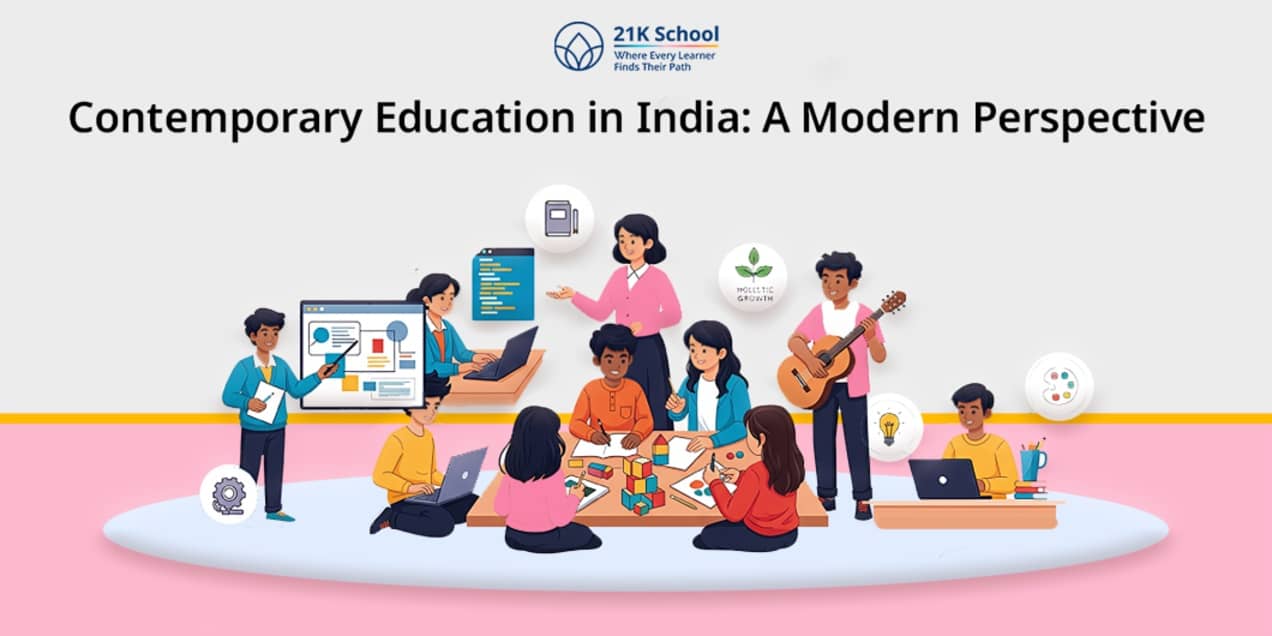
Educational institutions have also begun introducing multidisciplinary learning, project based education, research opportunities, coding programmes, and industry collaborations. Many universities are expanding career guidance services and placement support to help students transition more effectively from education to employment.
Experts emphasize that improving employability requires a shared effort involving educational institutions, employers, policymakers, industry bodies, and students themselves. Regular curriculum updates, faculty development, modern teaching methods, and stronger links with industry can contribute to better employment outcomes.
Students also play an important role by continuously upgrading their skills beyond formal education. Online learning platforms, professional certifications, internships, volunteer work, and participation in innovation projects can strengthen their competitiveness in the job market.
As the global economy continues to evolve, lifelong learning is becoming increasingly important. Many professionals now update their skills throughout their careers to remain relevant in changing industries. This trend highlights the growing importance of continuous education rather than relying solely on a single academic qualification.
India's education system has made remarkable progress in expanding access and increasing enrolment, but discussions about employability continue to shape future reforms. Strengthening the connection between education, skills development, and industry requirements will be essential to preparing graduates for the opportunities and challenges of the modern workforce. A balanced approach that combines academic excellence with practical skills, innovation, and employment generation will play a key role in supporting India's long term economic growth and workforce development.