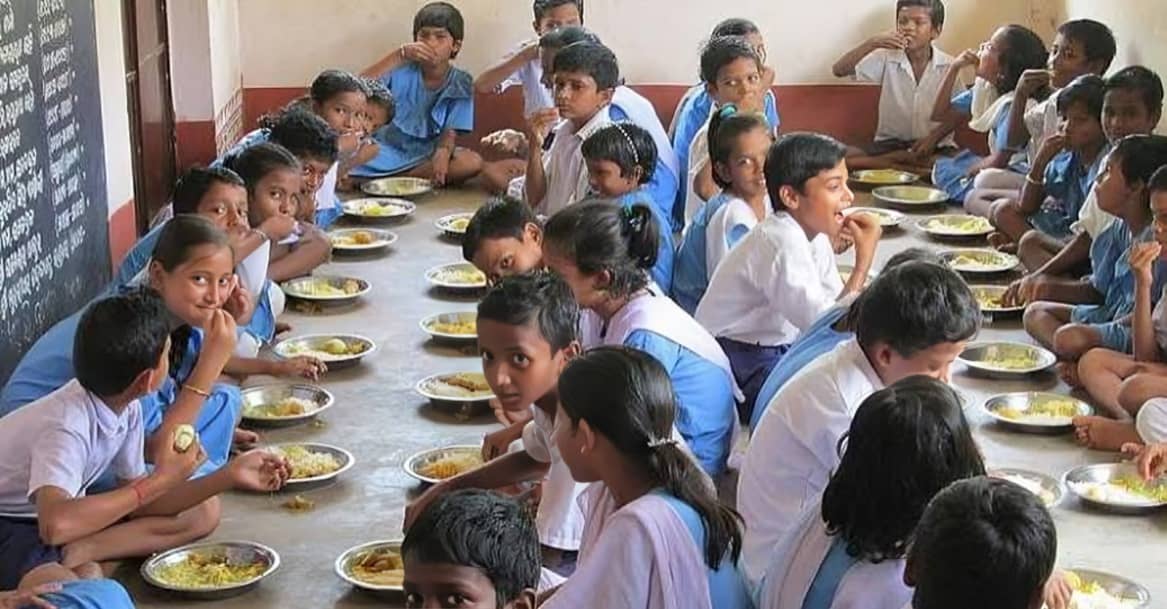
Kerala is planning a major expansion of its school nutrition programme by extending the PM POSHAN scheme to students studying up to the Plus Two level. State General Education Minister N Samsudheen has said that Kerala is willing to extend the school midday meal programme to Classes 9 to 12 and has conveyed its consent to the Central Government.
The proposal could significantly widen the number of students receiving cooked meals through the school education system. At present, the centrally sponsored PM POSHAN scheme covers children studying in Bal Vatika and Classes 1 to 8 in government and government aided schools. The Union Government's current scheme guidelines do not ordinarily cover Classes 9 to 12.
The proposed Kerala initiative would therefore represent an expansion beyond the existing coverage of the central programme. The state would need to work with the Centre on the arrangements required for implementing the proposal for secondary and higher secondary students.
PM POSHAN, formerly known as the Mid Day Meal Scheme, is designed to provide hot and nutritious cooked meals to eligible schoolchildren. According to the Union Government, the programme is implemented jointly with states and Union Territories, while state governments and Union Territory administrations have overall responsibility for providing meals to eligible children.
The scheme has nutritional as well as educational objectives. Government information states that PM POSHAN is intended to support children's nutritional status and encourage regular school attendance. A government study cited by the Ministry of Education has also reported positive effects on child nutrition and learning outcomes.
For Kerala, extending the programme to Classes 9 to 12 could provide additional nutritional support during an important stage of students' education. Students in the secondary and higher secondary levels often have longer academic schedules and face increased educational demands. Providing meals at school could help support students during the school day.
The proposal may also have significance for families who depend on government schools. Expanding access to school meals could reduce some of the daily food-related expenses faced by families and ensure that students receive a nutritious meal during school hours.
However, the proposed expansion would require additional financial and administrative arrangements. The existing PM POSHAN programme is a centrally sponsored scheme, and the current national framework covers Bal Vatika and Classes 1 to 8. Therefore, extending coverage to Classes 9 to 12 would require clarity regarding funding, implementation responsibilities and applicable guidelines.
The Union Government's 2026 to 27 budget documents continue to provide financial support for PM POSHAN. The national financial outlay for the scheme is listed at Rs 12,750 crore for 2026 to 27. The current output targets continue to focus on eligible students in Bal Vatika and Classes 1 to 8.
The issue of expanding school meal programmes beyond elementary education has also been discussed in other parts of India. States and Union Territories have previously raised proposals concerning expansion of school nutrition programmes, including requests for changes to PM POSHAN and additional nutritional support.
Kerala's proposal comes against this wider discussion about improving student nutrition and reducing barriers to education. The state already provides additional support through its own education and welfare programmes, and the proposed extension could further strengthen nutritional assistance for older students.
If implemented, the programme would require careful planning to ensure adequate kitchen facilities, food supplies, cooking staff, transportation arrangements and monitoring mechanisms. The quality and nutritional value of meals would also need to remain consistent as coverage expands.
The government would also need to determine how the programme would operate across government and government aided schools and how the additional costs would be shared between the state and Centre.
For students, the biggest benefit could be regular access to a cooked meal during school hours. For families, the programme could provide additional support at a time when education and household expenses are increasing.
The proposal is currently a plan rather than an already implemented nationwide expansion. Kerala has conveyed its willingness to extend the programme, and further discussions with the Central Government are expected to determine the next steps.
If the proposal receives the necessary approval and financial arrangements, Kerala could become an important example of extending school nutrition support to older students. Such a move could also contribute to wider discussions on whether school meal programmes should cover students throughout their school education.
For now, the focus remains on discussions between the Kerala government and the Centre. The proposed extension to Plus Two students could mark a significant change in the state's approach to school nutrition if the plan moves forward.