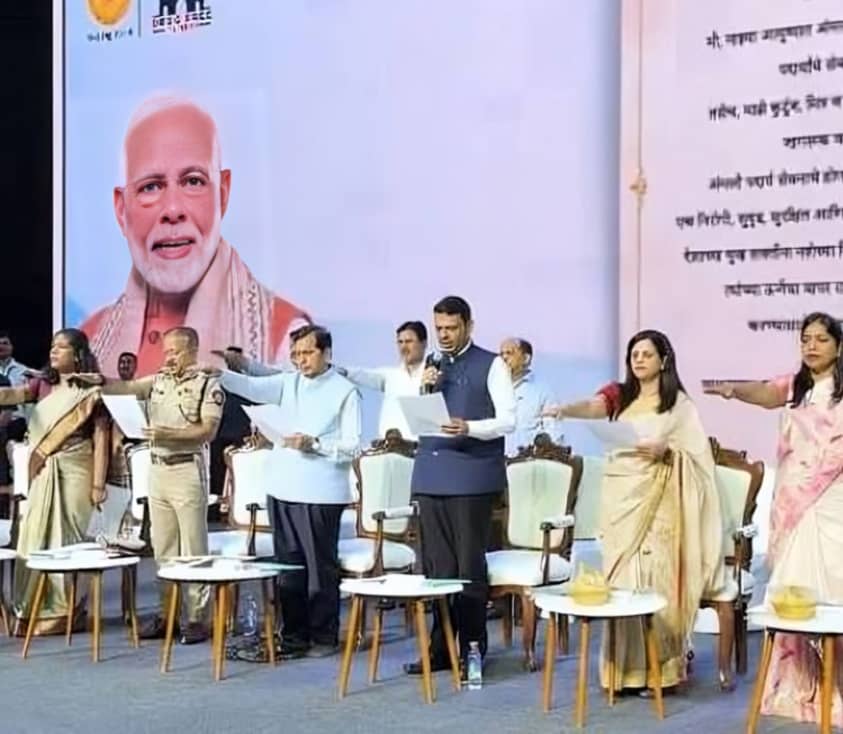

The Maharashtra Government has announced plans to incorporate anti drug education into the school curriculum following directions issued by Chief Minister Devendra Fadnavis. The initiative is part of the state's broader strategy to strengthen drug prevention measures and increase awareness among school students about the risks associated with substance abuse.
According to the government's plan, educational institutions across the state will introduce lessons focused on drug awareness, prevention, and healthy lifestyle choices. The programme aims to educate students about the physical, psychological, social, and legal consequences of drug abuse while encouraging informed decision making from an early age.
In addition to curriculum changes, the Chief Minister has instructed officials to establish anti drug committees in schools. These committees are expected to play an active role in creating awareness, monitoring preventive activities, coordinating educational programmes, and promoting a safe learning environment for students.
The proposed committees may include school administrators, teachers, counsellors, parents, and other stakeholders who can work together to identify potential concerns and support preventive education initiatives. Schools are also expected to organise awareness programmes, workshops, seminars, and interactive sessions to educate students about the dangers of substance abuse.
The Maharashtra Government believes that educational institutions play an important role in shaping responsible behaviour and promoting healthy lifestyles among young people. By integrating anti drug education into classroom learning, the state aims to ensure that students receive accurate information about the risks of addiction before they are exposed to harmful influences.
Education experts have welcomed the emphasis on preventive awareness, noting that early education can help students develop informed attitudes towards health and personal well being. They also stress that awareness programmes should be age appropriate, scientifically accurate, and supported by trained educators and mental health professionals.
Substance abuse among young people has become an area of concern for governments, educators, and healthcare professionals across many parts of the world. Experts believe that schools can contribute significantly to prevention by combining classroom education with counselling services, extracurricular activities, and strong community engagement.
The proposed curriculum is expected to include information about the harmful effects of narcotic substances, methods for resisting peer pressure, the importance of mental health, and the availability of support services for individuals requiring assistance. Educational materials may also encourage students to seek help from teachers, parents, or counsellors whenever they encounter situations involving substance abuse.
Officials are expected to coordinate with the School Education Department, health authorities, law enforcement agencies, and subject experts while preparing the educational content. The objective is to provide students with accurate, evidence based information while ensuring that lessons remain appropriate for different age groups.
The initiative forms part of Maharashtra's wider efforts to strengthen anti drug awareness and promote a healthier environment for children and adolescents. Public awareness campaigns, community participation, and institutional cooperation are expected to complement the educational measures introduced in schools.
Parents are also expected to play an important role in the programme by supporting awareness efforts at home and maintaining open communication with children regarding health, safety, and responsible decision making. Experts believe that collaboration between schools and families is essential for the long term success of preventive education programmes.
The state government is expected to issue detailed implementation guidelines regarding curriculum integration, teacher training, committee formation, and awareness activities in the coming months. Educational authorities will also determine how the programme will be incorporated into existing school subjects and co curricular activities.
The introduction of anti drug education reflects a growing recognition of the importance of preventive measures in addressing substance abuse among young people. By focusing on awareness, education, and community participation, Maharashtra aims to create a supportive educational environment that encourages healthy choices and protects students from the risks associated with drug abuse.