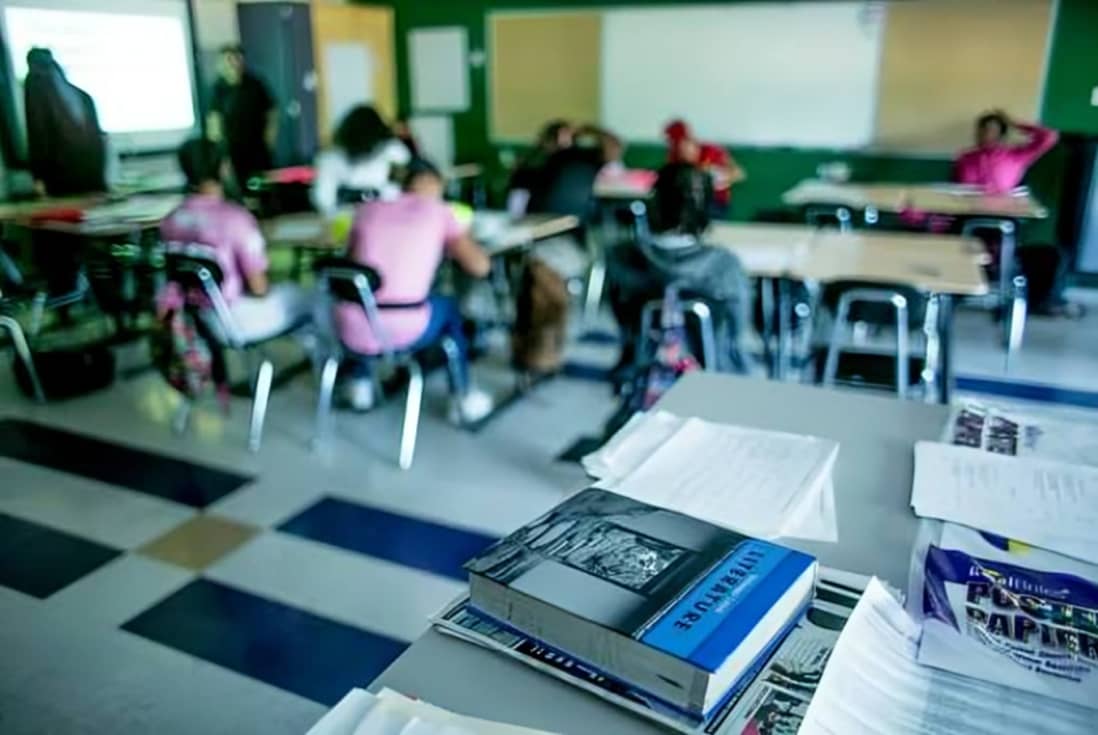

Public school systems across the United States have witnessed a significant wave of campus closures during the 2025–26 academic year, with more than 1,000 schools reportedly shutting down as education authorities respond to declining student enrollment and changing financial conditions. School districts across several states have consolidated campuses in an effort to manage reduced student populations, rising operational costs, and the conclusion of temporary pandemic era funding.
Education officials have pointed to declining enrollment as one of the primary reasons behind the closures. Over recent years, many districts have experienced fewer student admissions due to demographic changes, lower birth rates, migration patterns, and an increase in alternative education options such as charter schools, private institutions, homeschooling, and virtual learning programmes.
When student enrollment declines, school districts often receive reduced funding because many education financing systems allocate resources based on the number of enrolled students. Lower enrollment can therefore result in financial pressures that make it increasingly difficult to maintain underutilized campuses and educational facilities.
Another significant factor contributing to the closures is the expiration of emergency financial assistance introduced during the COVID-19 pandemic. During the public health crisis, federal funding helped schools maintain operations, improve digital learning infrastructure, implement health and safety measures, and support students facing educational disruptions. As those temporary funding programmes concluded, many school districts were required to reassess their budgets and long term financial sustainability.
To address these challenges, several districts have chosen to merge schools, consolidate educational programmes, and optimize the use of existing facilities. School consolidation allows administrators to reduce operational expenses related to building maintenance, transportation, utilities, and staffing while continuing to provide educational services to students.
Education experts note that school closures often involve complex decision making. Administrators must consider student travel distances, classroom capacity, teacher availability, community needs, and the long term educational impact before implementing consolidation plans. Public consultations with parents, teachers, and local communities are frequently conducted before final decisions are made.
The closures have affected both urban and rural school districts, although the underlying causes may differ. Rural communities often face population decline and migration to larger cities, resulting in fewer school age children. Urban districts, meanwhile, may experience enrollment shifts due to housing affordability, changing neighbourhood demographics, or increased competition from alternative educational institutions.
Parents and community organizations have expressed mixed reactions to the closures. While some acknowledge the financial necessity of consolidation, others have raised concerns regarding longer travel times, larger class sizes, reduced community identity, and the emotional impact of losing long established neighbourhood schools.
Teachers and school staff have also been affected by the restructuring process. Some educators have been reassigned to other campuses, while districts have sought to manage staffing requirements through transfers, retirements, or workforce adjustments depending on local circumstances.
Despite the closures, education leaders emphasize that the objective remains to maintain educational quality while adapting to changing demographic realities. Investments continue in curriculum development, digital learning technologies, teacher training, and student support services to ensure that educational standards remain high even as school systems undergo structural changes.
Analysts believe demographic trends will continue to influence education planning across the United States over the coming years. School districts are expected to rely increasingly on long term enrollment projections, financial planning, and infrastructure assessments when making decisions about future campus operations.
The closure of more than 1,000 public schools during the 2025–26 academic year illustrates the significant challenges facing education systems as they adapt to evolving population patterns and financial conditions. While consolidation may improve operational efficiency, policymakers, educators, and local communities will continue working to ensure that students receive accessible, high quality education despite these structural changes.