
The Supreme Court has directed the National Testing Agency and the Central Government to submit detailed responses regarding proposed reforms to the National Eligibility cum Entrance Test, commonly known as NEET. The court's observations came during proceedings examining measures aimed at improving the transparency, security, and overall administration of one of India's largest entrance examinations.
During the hearing, the Supreme Court emphasized the importance of strengthening the examination system and remarked that repeated errors should not become a recurring feature of national level competitive examinations. The court underlined the need for comprehensive reforms that enhance the credibility of the examination process while ensuring fairness for millions of students.
Among the issues discussed was the recommendation of the Radhakrishnan Committee regarding possible changes to the examination format, including a hybrid model that combines different methods of conducting examinations. The court asked the National Testing Agency to present its position on the recommendations and explain how such proposals could be implemented, if considered appropriate.
The Supreme Court also sought the views of the Central Government on the possible expansion of Computer Based Testing for future examinations. Computer Based Testing has increasingly been adopted in several national level competitive examinations due to its potential advantages in examination management, security, and faster result processing.
In addition to examination formats, the court directed the authorities to file affidavits addressing several critical aspects of examination administration. These include measures for protecting question papers from unauthorized access, strengthening cybersecurity infrastructure, improving digital security protocols, and enhancing governance mechanisms responsible for conducting large scale examinations.
Question paper security has become a major area of focus in recent years, particularly following concerns raised over examination irregularities in various competitive tests. The court stressed the need for robust safeguards throughout the entire examination process, beginning with question paper preparation and extending through printing, transportation, storage, distribution, and examination day operations.
Cybersecurity was identified as another key area requiring attention. As technology plays an increasingly important role in examination management, digital infrastructure must be protected against cyber threats that could compromise examination integrity. The court sought information regarding existing cybersecurity measures and future plans to strengthen digital security.
The Supreme Court also highlighted the importance of effective governance and accountability within examination conducting agencies. Transparent administrative procedures, clearly defined responsibilities, regular audits, and efficient monitoring systems are considered essential for maintaining public confidence in national entrance examinations.
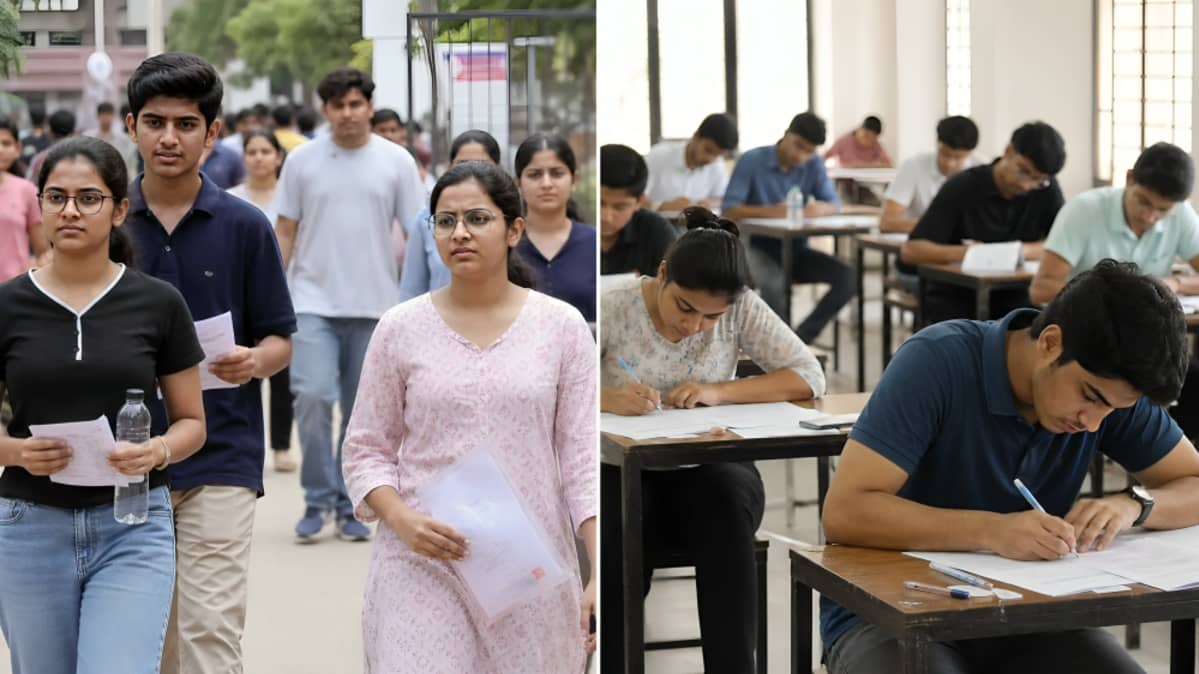
NEET is one of India's largest competitive examinations, conducted annually for admission to undergraduate medical and dental programmes across the country. Every year, millions of students participate in the examination, making its efficient and transparent administration a matter of national importance.
Education experts believe that continuous evaluation of examination systems is essential to maintaining fairness and public trust. Technological advancements, improved security practices, standardized operational procedures, and independent oversight can contribute significantly to strengthening examination integrity.
The National Testing Agency is expected to submit its response outlining its views on the proposed reforms, while the Central Government will also present its position on various recommendations before the court. The Supreme Court has directed both authorities to file the required affidavits by August 3, enabling further consideration of the issues raised during the proceedings.
The ongoing judicial review reflects a broader effort to improve India's examination system through stronger governance, enhanced security, and greater transparency. The outcome of these proceedings may influence future reforms in the conduct of national level competitive examinations, with the objective of ensuring that students participate in a fair, secure, and reliable assessment process.