
The Supreme Court has sought responses from the Central Government and the Punjab Government on a Public Interest Litigation alleging inadequate implementation of the Economically Weaker Section admission provisions under the Right of Children to Free and Compulsory Education Act. The petition raises concerns regarding the alleged denial of admissions to eligible students in private schools under the quota mandated by law.
The apex court issued notices after hearing arguments related to the implementation of the Right to Education Act, commonly known as the RTE Act. The petition contends that several private educational institutions in Punjab have not effectively complied with the statutory requirement of reserving seats for children belonging to economically weaker sections and disadvantaged groups.
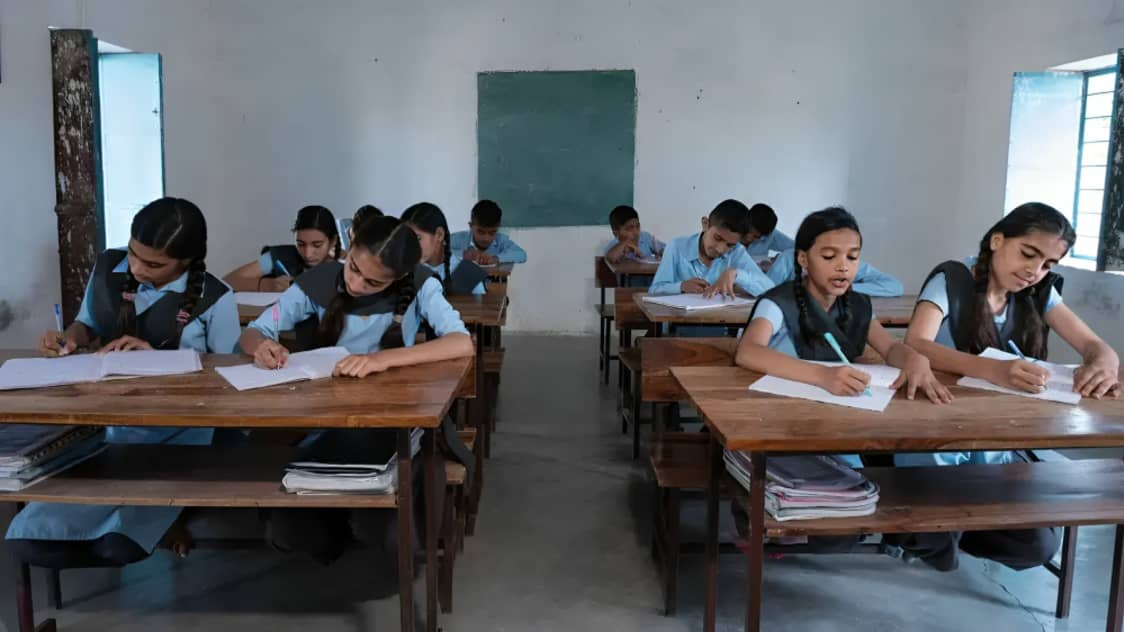
Under the provisions of the Right to Education Act, recognized private unaided schools are required to reserve 25 percent of entry level seats for children from economically weaker sections and disadvantaged backgrounds. The objective of the provision is to promote inclusive education and ensure that children from all sections of society have access to quality schooling opportunities.
According to the petition, the alleged non implementation of the quota system has resulted in a significant number of eligible children being unable to secure admissions in private schools. The petitioners argue that such failures undermine the objectives of the legislation and may affect the educational opportunities available to economically disadvantaged students.
The Right to Education Act was enacted to guarantee free and compulsory education to children within the specified age group. The legislation seeks to strengthen educational access, reduce inequality, and support social inclusion by ensuring that financial limitations do not prevent children from receiving schooling.
Legal experts note that the case raises important questions regarding the enforcement of statutory obligations under the RTE framework. Courts have consistently emphasized the importance of education as a fundamental right and have highlighted the responsibility of authorities and institutions to ensure compliance with laws designed to protect educational access.
The Supreme Court's decision to seek responses from the concerned governments indicates that the matter has been taken up for detailed examination. The replies submitted by the Centre and the Punjab Government are expected to provide information regarding existing implementation mechanisms, compliance measures, monitoring systems, and any actions taken to address alleged shortcomings.
Education policy specialists observe that effective implementation of the Economically Weaker Section quota depends on coordination among government departments, local authorities, school administrations, and other stakeholders. Challenges may include admission procedures, reimbursement mechanisms, awareness among beneficiaries, and administrative monitoring.
The issue of equitable access to education remains an important public policy concern across India. Various government programs and legal provisions have been introduced over the years to improve enrollment rates and ensure that children from disadvantaged communities receive educational opportunities comparable to those available to other sections of society.
Advocates of inclusive education argue that the RTE quota serves as an important tool for promoting social integration and educational equity. By enabling students from diverse socioeconomic backgrounds to study together, the policy seeks to create a more inclusive learning environment while expanding opportunities for children who may otherwise face barriers to quality education.
The outcome of the proceedings may have implications for the interpretation and implementation of RTE provisions not only in Punjab but also in other jurisdictions where similar concerns regarding compliance have been raised. Educational institutions, policymakers, and civil society organizations are likely to monitor the developments closely.
As the matter progresses before the Supreme Court, further hearings are expected to examine the submissions of the concerned authorities and assess the issues raised in the petition. The case highlights the continuing importance of ensuring effective implementation of educational rights guaranteed under Indian law.