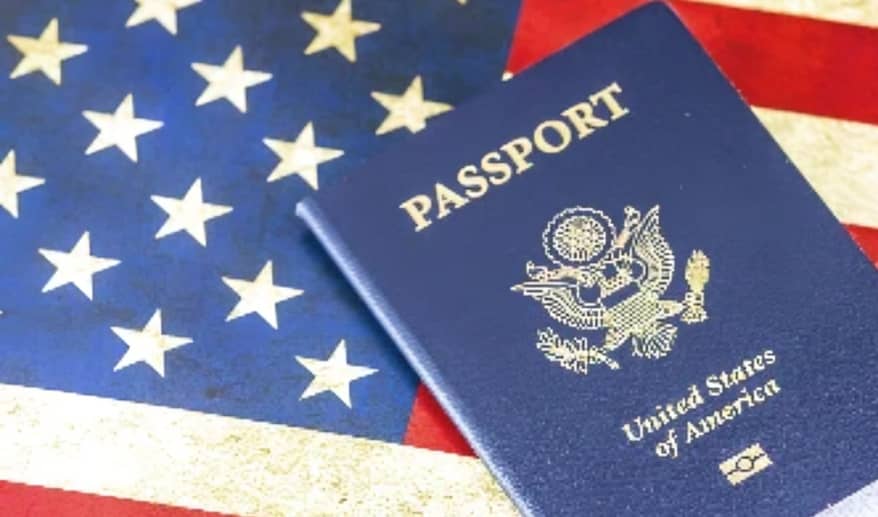

The number of student visas issued by the United States to Indian nationals declined by 62 percent in 2025 compared with 2024, according to recent data. The significant drop has drawn attention from students, educational institutions and policymakers, while also reviving discussions surrounding the Optional Practical Training programme, commonly known as OPT.
The decline comes at a time when the United States continues to be one of the most preferred destinations for Indian students pursuing higher education. Thousands of students travel to American universities every year to study undergraduate, postgraduate and doctoral programmes across various academic disciplines, particularly in science, technology, engineering and mathematics.
The sharp reduction in visa issuances has raised concerns among prospective students planning to begin their studies in the United States. Many education experts believe that changes in visa processing, increased scrutiny during application reviews and evolving immigration policies may have influenced the overall number of approvals. However, individual visa applications continue to be assessed based on the applicant's eligibility and compliance with US immigration regulations.
The latest developments have also brought renewed focus on the Optional Practical Training programme. OPT allows eligible international students studying on F1 visas to work temporarily in the United States after completing their academic programmes. The initiative is designed to provide practical experience related to a student's field of study while helping graduates gain valuable professional exposure.
Students enrolled in science, technology, engineering and mathematics programmes may also qualify for an extended period of employment under the STEM OPT extension, allowing additional work experience beyond the standard OPT duration. The programme has become an important factor for many international students when selecting the United States as their preferred destination for higher education.
Recent discussions surrounding OPT have highlighted differing perspectives on its role within the US labour market. Supporters argue that the programme strengthens innovation, supports research and allows employers to benefit from highly skilled international graduates. They also believe that practical work experience enhances the educational value of studying in the United States.
On the other hand, critics have questioned aspects of the programme, including its impact on domestic employment and broader immigration policies. These debates have periodically resurfaced in policy discussions, although no immediate changes have been announced regarding the programme itself.
Indian students represent one of the largest international student communities in the United States and make significant contributions to academic research, university campuses and the technology sector. Many graduates pursue careers in engineering, computer science, healthcare, business and other professional fields through authorised employment opportunities available after completing their education.
Educational consultants advise prospective students to begin their admission and visa preparation well in advance, ensure that all documentation is accurate and remain informed about current immigration requirements. Applicants are also encouraged to monitor official announcements from US authorities regarding visa procedures and student policies.
Universities in the United States continue to welcome qualified international students and provide academic, research and career development opportunities across a wide range of disciplines. Institutions also offer support services to help international students adjust to academic life and understand employment regulations during and after their studies.
While the decline in visa numbers has generated concern among students and education stakeholders, experts note that long term trends will depend on future policy decisions, global mobility patterns and demand for international education. The ongoing discussion surrounding the OPT programme is also expected to remain an important part of broader conversations about international students and workforce development.
As Indian students continue to explore overseas education opportunities, developments in visa policies and post study employment pathways will remain key factors influencing their academic decisions. The latest figures highlight the importance of staying informed about changing immigration policies while carefully planning higher education opportunities abroad.