
The National Song Vande Mataram has received statutory legal protection following President Droupadi Murmu's assent to the Prevention of Insults to National Honour Amendment Bill 2026. The amendment extends provisions of the Prevention of Insults to National Honour Act 1971 to cover deliberate obstruction or disturbance during the singing of the National Song.
The development is important for students, schools and educational institutions because the Union Home Ministry has already prescribed a formal protocol for the performance of Vande Mataram. Students should understand the distinction between the National Song and the National Anthem, as well as the rules applicable to official performances.
Vande Mataram Receives Statutory Protection
The Prevention of Insults to National Honour Amendment Bill 2026 was introduced in the Rajya Sabha on July 24, 2026. The amendment extends the existing penal provisions concerning deliberate prevention or disturbance of the National Anthem to the National Song Vande Mataram.
The law provides for imprisonment of up to three years, a fine, or both for the specified offence. A second and subsequent conviction carries a minimum imprisonment term of one year under the amended provisions.
This legal protection is focused on deliberate acts covered by the law. It should not be interpreted as creating a general requirement for every individual to sing the National Song in every situation.
Vande Mataram Is India's National Song
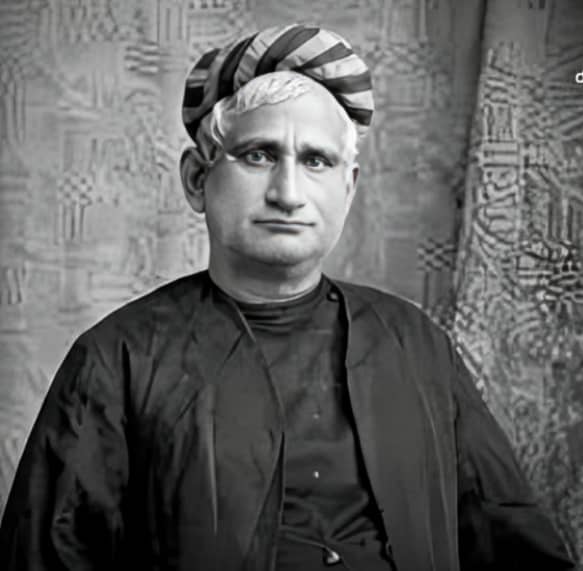
Vande Mataram was composed by Bankim Chandra Chattopadhyay and became an important symbol during India's freedom movement.
The National Song and the National Anthem have different official designations. Vande Mataram is recognised as India's National Song, while Jana Gana Mana is the National Anthem.
Both have an important place in India's national and constitutional traditions, but they are not the same national symbol.
Students should therefore remember the distinction when preparing for examinations, school programmes and national events.
What the New Rules Mean
The amendment provides legal protection against deliberate prevention or disturbance of the singing of Vande Mataram in circumstances covered by the law.
The existing legislation already contained provisions concerning intentional prevention of the singing of the National Anthem or causing disturbance to an assembly engaged in such singing. The 2026 amendment extends those provisions to the National Song.
Therefore, students and members of the public should follow the prescribed protocol during official performances and avoid deliberately disrupting the proceedings.
Which Comes First
The Union Home Ministry has prescribed an order for occasions when Vande Mataram and Jana Gana Mana are performed together.
In such circumstances, Vande Mataram is to be sung or played first, followed by the National Anthem.
The ministry's guidelines also state that the audience should stand at attention when the official version of the National Song is sung or played.
This protocol is particularly relevant to official ceremonies, government programmes and educational institutions following the prescribed arrangements.
Six Stanzas of the National Song
The Home Ministry's guidelines specify the official full version of Vande Mataram containing six stanzas.
The complete version has a duration of approximately 3 minutes and 10 seconds. The government has also taken steps to make the full version available through public broadcasting.
Akashvani announced that its stations would begin broadcasting the six stanza version from March 26, 2026, following the Home Ministry's guidelines.
Students should therefore be aware that the official full version is longer than the commonly heard shorter rendition.
What Schools Need to Know
The Home Ministry guidelines provide for schools to begin the day's proceedings with the National Song through playing or community singing.
This gives educational institutions an important role in familiarising students with the National Song and its historical significance.
Schools should follow the applicable government instructions and ensure that students and teachers are informed about the prescribed protocol.
The guidelines are intended to promote awareness and respect for national symbols rather than simply making the song part of a routine without explaining its historical importance.
Students Should Understand the Difference
One of the most important points for students is understanding the difference between Vande Mataram and Jana Gana Mana.
Vande Mataram is the National Song.
Jana Gana Mana is the National Anthem.
Both are important national symbols, but they have different official identities and protocols.
This distinction can also be relevant in competitive examinations, school examinations and general knowledge questions.
When Should Students Stand
Under the Home Ministry's protocol, whenever the official version of the National Song is sung or played, the audience is expected to stand at attention.
The guidelines also provide an exception when the National Song is played as part of a newsreel or documentary film, where requiring the audience to stand could interfere with the screening.
Students should therefore follow the instructions applicable to the particular event rather than assuming that every appearance of the song has identical requirements.
Legal Consequences of Deliberate Disruption
The amended law is significant because deliberate obstruction or disturbance of the singing of the National Song can now fall within the penal provisions.
The law provides imprisonment of up to three years, a fine, or both for the specified offence.
This provision is intended to protect the dignity of the National Song during assemblies and performances covered by the law.
Students should understand that the provision concerns deliberate acts of prevention or disturbance and should not be confused with ordinary mistakes, lack of participation or circumstances outside an individual's control.
Why the Change Matters
The legal amendment gives Vande Mataram statutory protection similar to that already provided to the National Anthem under the relevant law.
The move comes alongside the government's efforts to establish a formal protocol for the National Song, including its complete six stanza version and its performance at official events.
The change has therefore created a new legal and administrative framework around the National Song.
For students, understanding these developments is important because schools and educational institutions are among the settings where national symbols are regularly observed.
Importance for Competitive Examination Aspirants
The amendment is also relevant for candidates preparing for UPSC, SSC, banking, railway and state government examinations.
Questions about national symbols, constitutional provisions and amendments to existing laws can appear in general knowledge and current affairs sections.
Candidates should remember the year of the amendment, the name of the parent legislation and the distinction between the National Song and National Anthem.
The Prevention of Insults to National Honour Act was originally enacted in 1971. The 2026 amendment extends its relevant provisions to Vande Mataram.
Conclusion
Vande Mataram has received new statutory protection following President Droupadi Murmu's assent to the Prevention of Insults to National Honour Amendment Bill 2026.
The amended law extends penal provisions to deliberate prevention or disturbance of the singing of the National Song. The specified offence can attract imprisonment of up to three years, a fine, or both.
The Union Home Ministry's protocol states that the complete six stanza version of Vande Mataram has a duration of approximately 3 minutes and 10 seconds. When the National Song and National Anthem are performed together, Vande Mataram is performed first, followed by Jana Gana Mana.
For students, the key points are the National Song's official status, the new legal protection, the prescribed performance order, the six stanza official version and the rules applicable to deliberate disruption.