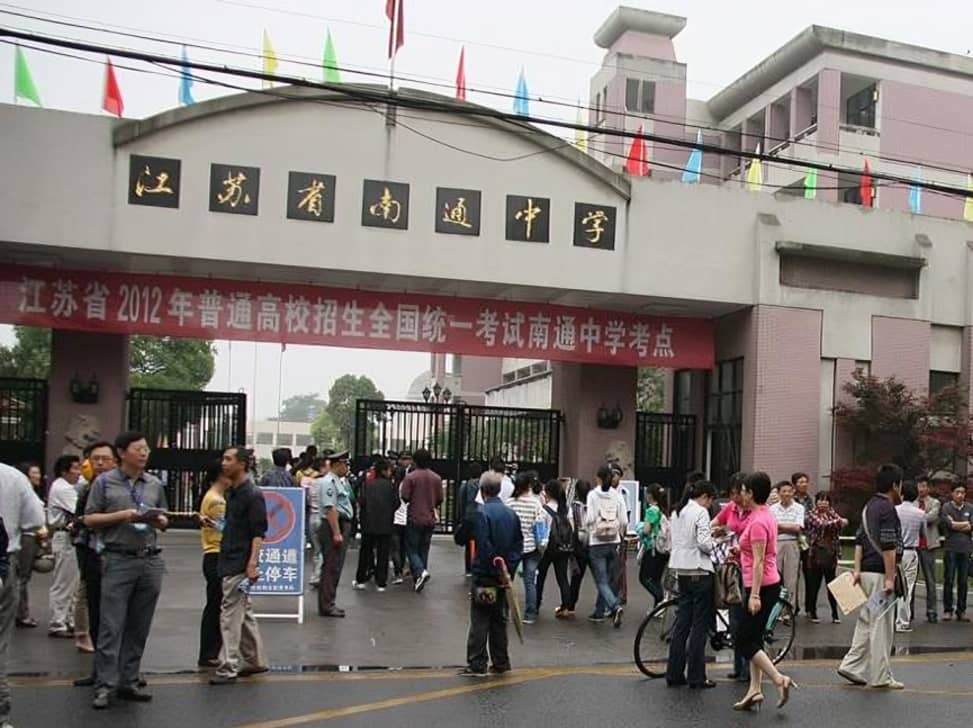

China’s National College Entrance Examination, commonly known as Gaokao, is considered one of the most difficult and competitive entrance examinations in the world. Conducted annually under the supervision of China’s Ministry of Education, the exam plays a decisive role in determining a student’s admission into universities and choice of academic discipline.
Gaokao is taken by millions of students across different provinces of China every year. It is widely recognized for its scale, strict evaluation system, and the high level of pressure placed on candidates. The examination is typically held over two to three days and tests students across multiple core academic subjects.
The importance of Gaokao lies in its direct impact on a student’s future. University admissions in China are largely based on Gaokao scores, which means that performance in this single examination can determine access to top universities, preferred courses, and future career opportunities.
One of the key reasons Gaokao is considered extremely challenging is the long and intensive preparation period. Students generally prepare for several years during their high school education. The syllabus is extensive and requires deep understanding of subjects such as mathematics, Chinese language, English, and additional elective subjects depending on the chosen academic track.
The examination is also known for its intense psychological pressure. Students often face high expectations from families, schools, and society, as university placement is seen as a major factor in future success. This creates a highly competitive environment where even small differences in marks can significantly affect ranking and college admission outcomes.
Each year, more than one crore students appear for the Gaokao examination. However, admission rates vary depending on provinces and institutions, making competition extremely intense. The allocation of university seats is influenced by regional quotas and cut off scores, which differ across provinces.
The exam structure is designed in different models across China. One widely used format is the 3 plus 1 plus 2 model, which includes compulsory subjects such as Chinese, mathematics, and English, along with one core subject and two elective subjects. Another structure, known as the 3 plus 3 model, is used in several regions, allowing students to select additional subjects based on their interests.
The total exam duration spans several hours across multiple sessions, further adding to the physical and mental demands on students. The evaluation system is highly standardized, and final scores play a crucial role in determining university eligibility.
Foreign students can also appear for Gaokao under specific conditions. However, they must meet strict eligibility criteria, including residency requirements and proficiency in the Chinese language. The exam remains highly competitive even for international candidates due to its rigorous academic standards.
Gaokao continues to be a defining feature of China’s education system. While it is often criticized for its pressure and intensity, it is also recognized for providing a standardized and merit based pathway to higher education for millions of students.
Education experts around the world frequently study Gaokao as an example of a large scale centralized examination system. Its structure, competitiveness, and impact on society make it one of the most unique and demanding academic evaluations globally.