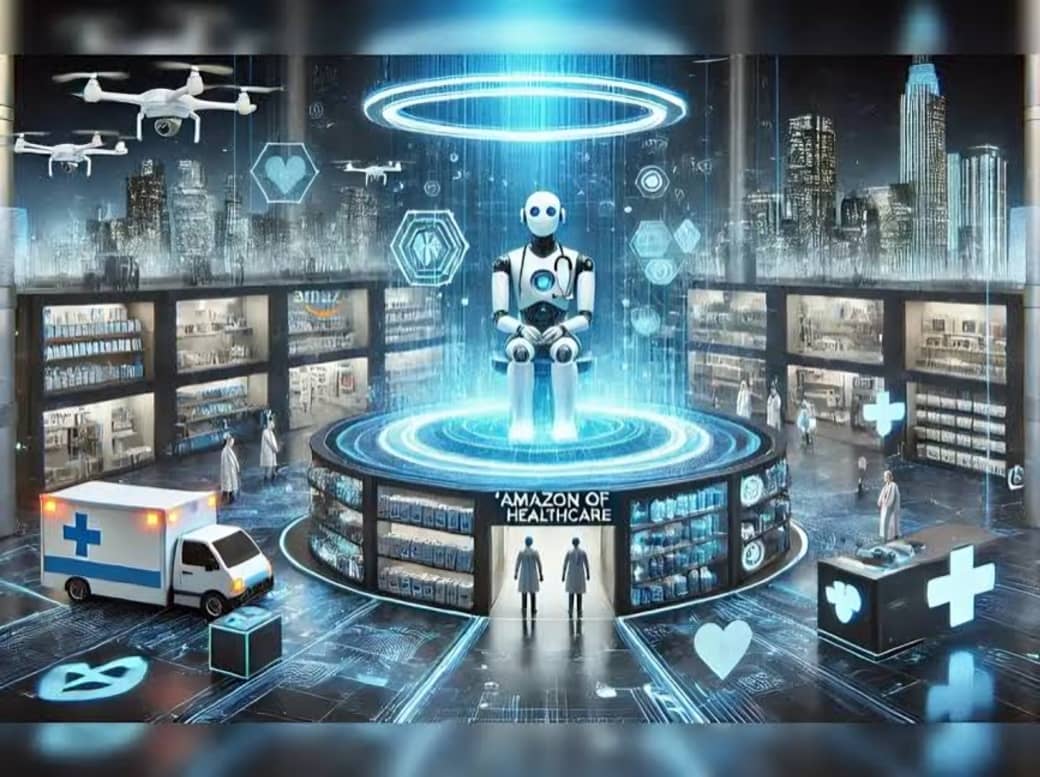

The healthcare sector is undergoing a significant transformation driven by advances in technology, changing patient expectations, and increased investment in medical innovation. As healthcare systems adopt artificial intelligence, digital health platforms, telemedicine, medical devices, and data-driven decision-making, professionals are finding new career opportunities that extend well beyond traditional clinical practice.
Industry experts believe that upskilling and reskilling have become essential for healthcare professionals who want to remain competitive in an increasingly technology-driven environment. Continuous learning enables professionals to adapt to evolving job requirements while improving patient care, operational efficiency, and healthcare delivery.
Artificial intelligence is emerging as one of the most influential technologies in modern healthcare. AI applications are being used to assist in medical imaging, disease prediction, clinical decision support, hospital administration, drug discovery, and patient monitoring. As healthcare organizations continue integrating AI into their operations, demand is increasing for professionals who understand both healthcare systems and digital technologies.
Digital health has also become a rapidly growing field. Electronic health records, mobile health applications, wearable health devices, remote patient monitoring, and telemedicine platforms are changing how healthcare services are delivered. These innovations require professionals with expertise in healthcare management, information technology, cybersecurity, data analysis, and digital transformation.
The medical devices industry is another area experiencing steady growth. Advances in diagnostic equipment, surgical technologies, rehabilitation devices, and home healthcare solutions have created opportunities for biomedical engineers, regulatory affairs specialists, product managers, quality assurance professionals, and medical technology experts.
Healthcare data analytics has become increasingly important as hospitals and healthcare providers seek to improve patient outcomes through evidence-based decision-making. Data scientists, health informatics specialists, biostatisticians, and healthcare analysts play a critical role in interpreting clinical and operational data to support healthcare planning and policy development.
The expansion of healthcare technology has also increased demand for professionals in regulatory compliance, healthcare consulting, pharmaceutical research, clinical trials, digital product development, medical coding, health insurance, and healthcare administration. Many of these positions require a combination of technical knowledge, healthcare expertise, and leadership skills.
Educational institutions and professional organizations are responding to these changes by offering specialized certification programs, online courses, postgraduate qualifications, and executive education in fields such as artificial intelligence, digital health, health informatics, biomedical engineering, and healthcare management. These programs help professionals acquire new skills while remaining employed.
Experts recommend that healthcare professionals regularly assess emerging industry trends and identify skills that align with future workforce demands. Continuous professional development through certifications, workshops, industry conferences, research activities, and practical training can improve career prospects and prepare individuals for leadership positions.
Soft skills remain equally important alongside technical expertise. Communication, teamwork, ethical decision-making, problem-solving, adaptability, and leadership continue to be highly valued across healthcare organizations. Professionals who combine strong interpersonal abilities with digital competencies are likely to remain competitive in the evolving employment landscape.
The healthcare industry is expected to continue expanding as populations grow, life expectancy increases, and demand for quality healthcare services rises worldwide. Governments, private healthcare providers, pharmaceutical companies, biotechnology firms, and health technology organizations are expected to create additional employment opportunities in the coming years.
For students, recent graduates, and experienced professionals alike, investing in upskilling and reskilling can improve employability, support career progression, and open pathways into emerging areas of healthcare innovation. As technology continues to reshape the sector, lifelong learning is expected to remain one of the most valuable investments for building a successful healthcare career.