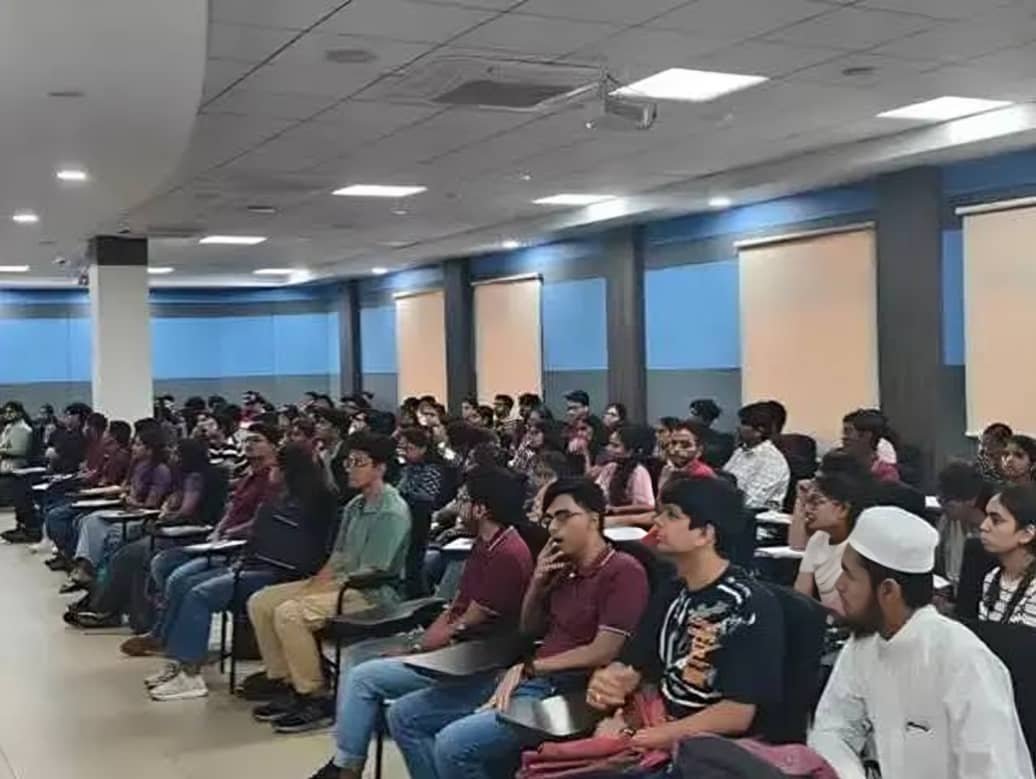
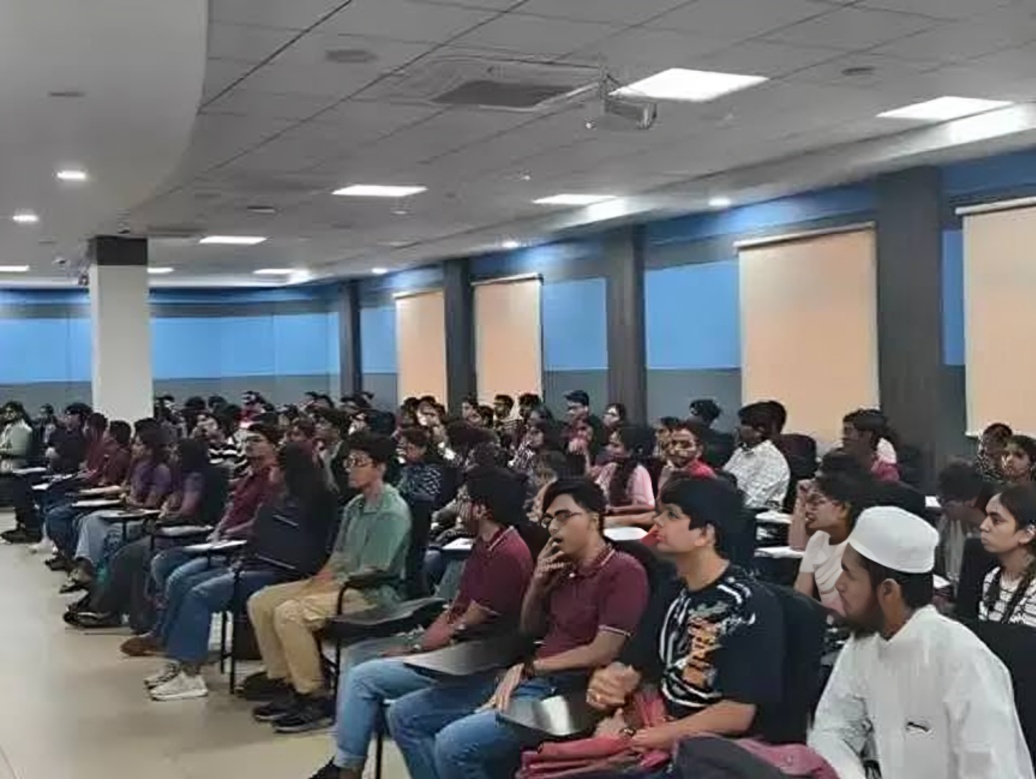
A recent report by NITI Aayog has drawn attention to the scale of India's skilling and employment challenge, highlighting that around 8.7 crore young people aged between 15 and 29 were not engaged in education, employment or training. The figure is based on 2021 data and represents young people classified as NEET, meaning Not in Education, Employment or Training. The findings have renewed attention on the need to strengthen the connection between education, skill development and employment in India.
NITI Aayog published the report titled Reimagining Skilling for Viksit Bharat@2047 in August 2026. The report examines India's workforce and learning ecosystem through different segments, including school students, higher education learners, formal and informal workers, NEET youth and women. The objective is to identify barriers that prevent people from moving successfully from education and training to sustainable livelihoods.
The 8.7 crore figure should be understood in the context of the data used for the report. It is not a direct estimate of the number of young people in this situation in August 2026. The report uses the 15 to 29 age group for its definition of NEET youth, following the methodology used in the Periodic Labour Force Survey.
One of the major concerns identified by the report is the weak connection between education and employment. Completing a course or obtaining a qualification does not always guarantee that a young person possesses the skills required by employers. Changes in technology, industry requirements and the nature of available jobs have increased the need for practical and occupation-specific skills.
The report also points to affordability as an important barrier. Many young people may find formal education, vocational courses or specialised training difficult to access because of the financial cost involved. Making relevant training more affordable or providing subsidised opportunities could help more young people acquire skills that can be converted into employment or self-employment opportunities.
Another important issue is the mismatch between training and local labour market requirements. Skill development programmes are more likely to produce meaningful outcomes when they are designed around the needs of employers and local economies. NITI Aayog therefore emphasises stronger coordination between training institutions, industries, employers and government agencies.
The report also recommends strengthening vocational education at an earlier stage. One of the proposals highlighted in reporting on the NITI Aayog study is the introduction of more structured vocational pathways from the school level, including skill-oriented options from Class 9. Such an approach could give students greater exposure to practical careers while they are still completing their formal education.
Apprenticeships are another important part of the proposed approach. Practical experience can help students and young job seekers understand workplace requirements while allowing employers to participate directly in skill development. NITI Aayog has separately examined India's apprenticeship ecosystem and highlighted the importance of improving access, quality and industry participation.
The report also places importance on small and medium enterprises. Smaller businesses can play a significant role in providing practical training and employment opportunities, particularly outside India's largest cities. Encouraging such businesses to participate in apprenticeships and structured training could help connect young people with employment opportunities closer to their local communities.
Self-employment is another potential pathway for young people who may not immediately find salaried employment. Affordable skill programmes combined with entrepreneurship support, access to markets and financial assistance could help trained individuals establish small businesses or independent livelihoods. However, training alone may not be sufficient unless it is accompanied by access to customers, finance and business guidance.
The challenge is particularly important because India's young population represents a major potential workforce. A large youth population can become an economic advantage when young people have access to quality education, relevant skills and productive employment. At the same time, gaps between education and employment can limit the benefits of this demographic opportunity.
NITI Aayog's report therefore takes a broader approach to skilling. Instead of treating vocational training as a separate activity, it recommends viewing education, training, apprenticeships, employment and career development as interconnected parts of the same system. This approach could help young people make smoother transitions from classrooms to workplaces.
The report also stresses the importance of understanding future employment trends. Skill programmes need to respond not only to existing jobs but also to emerging sectors and changing technologies. Areas such as digital services, advanced manufacturing, green industries and other technology-driven sectors are expected to create new requirements for workers. Training systems will need to evolve accordingly.
For young people already outside education, employment and training, re-entry opportunities are particularly important. Flexible courses, affordable programmes, recognition of existing skills and career guidance could make it easier for them to return to learning or enter the labour market.
The findings also highlight the importance of better information. Young people may not always know which skills are in demand, where training is available or which career pathways offer realistic employment opportunities. Stronger career counselling and employment information systems could help candidates make better decisions before investing time and money in training.
The 8.7 crore figure has consequently become an important indicator of the gap between India's demographic potential and its existing education and employment systems. However, the figure should not be interpreted simply as a measure of unemployment. NEET is a broader category that includes people who are neither studying nor working nor receiving training, including those outside the labour force.
The report's recommendations point towards a more integrated model in which education institutions, training providers, employers and government agencies work together. Making training affordable, expanding vocational education, strengthening apprenticeships and connecting courses with local job opportunities could improve the transition from learning to earning.
For India, the challenge is not simply to increase the number of people receiving certificates. The larger objective is to ensure that skills acquired through education and training translate into meaningful employment, entrepreneurship and sustainable livelihoods. The NITI Aayog report places this transition at the centre of India's broader skilling agenda as the country works towards its Viksit Bharat@2047 goal.