
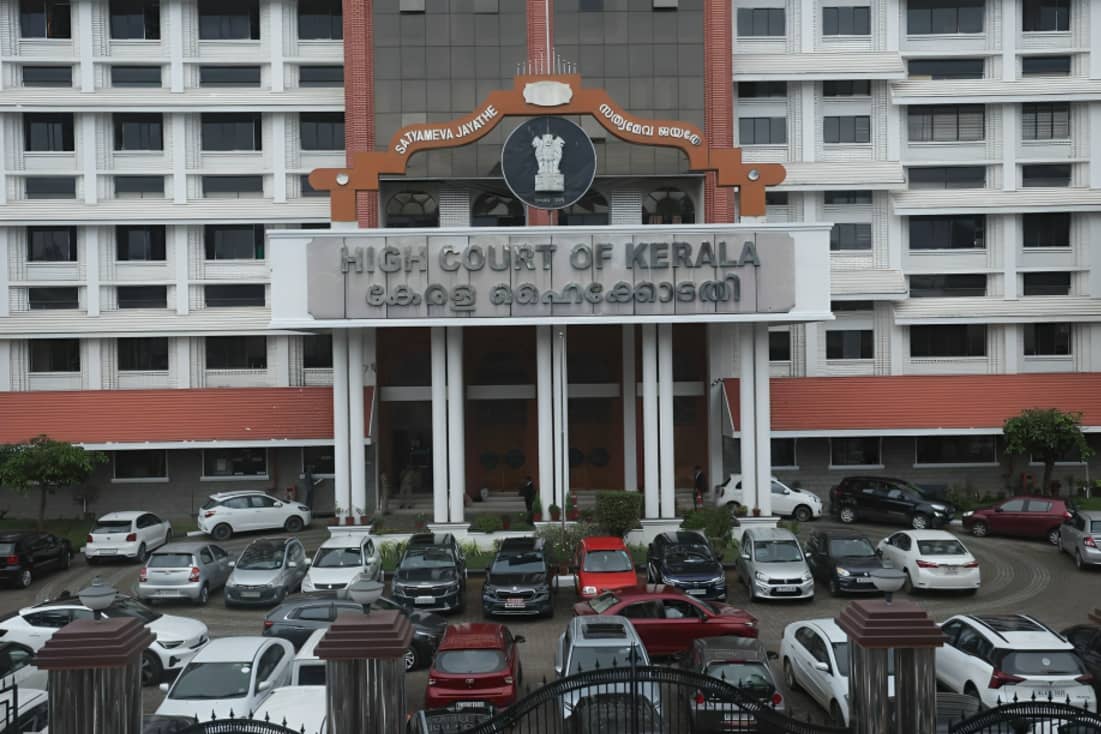
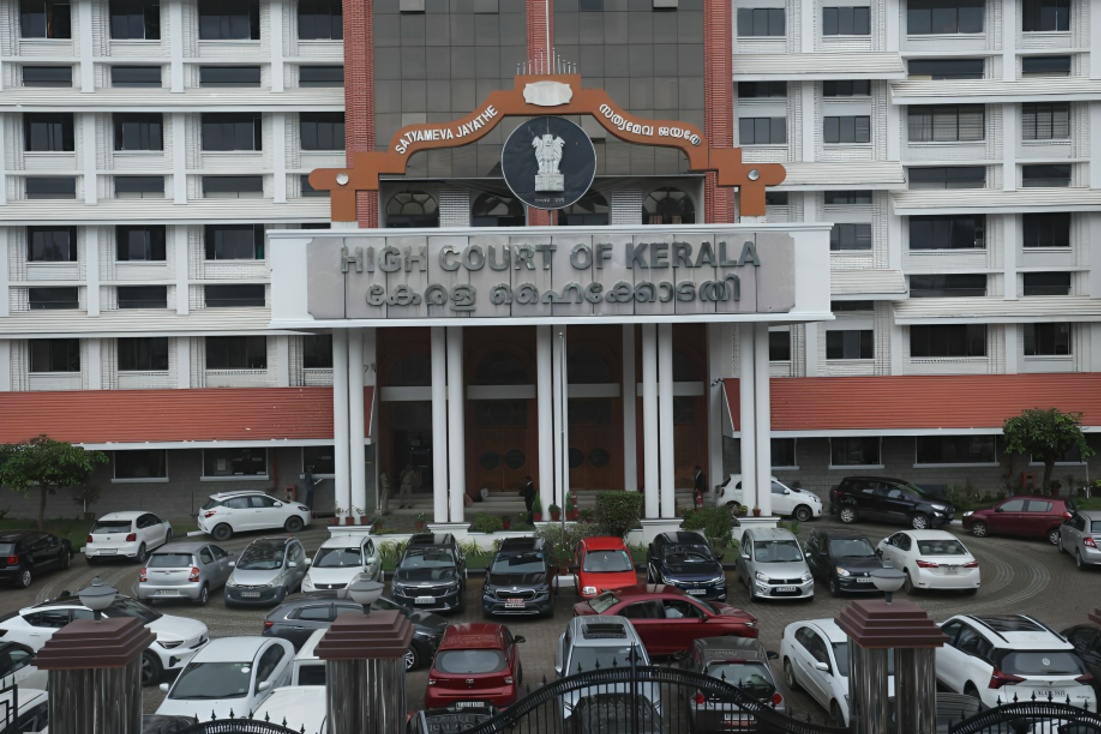
The Kerala High Court has set aside the Centre’s decision to refuse renewal of Foreign Contribution Regulation Act certificates to two non governmental organisations associated with protests against the Vizhinjam sea port project in Kerala.
The organisations had approached the High Court challenging the decision of the Union government authorities to deny renewal of their Foreign Contribution Regulation Act registrations. The case involved questions relating to the organisations’ activities, their receipt and utilisation of foreign contributions and their alleged association with protests surrounding the Vizhinjam port project.
The Foreign Contribution Regulation Act, commonly known as FCRA, regulates the acceptance and utilisation of foreign contributions by individuals, associations and organisations in India. Organisations seeking to receive foreign contributions are required to comply with the conditions prescribed under the law and obtain the necessary registration or approval from the competent authority.
The two organisations had sought renewal of their FCRA certificates. However, the Centre declined to renew their registrations, leading the organisations to challenge the decision before the Kerala High Court.
The dispute was connected to activities surrounding protests against the Vizhinjam International Seaport project. The port project has previously been the subject of significant public debate and protests, particularly over concerns raised by sections of the local fishing community and other groups regarding its impact on livelihoods, coastal conditions and the environment.
The government’s decision concerning the FCRA certificates was challenged by the organisations, which argued that the refusal to renew their registrations was not legally sustainable. The High Court examined the issues raised before it and ultimately set aside the denial of renewal.
The court’s decision does not mean that all questions relating to FCRA compliance have been permanently resolved. Rather, the ruling requires the authorities to reconsider the matter in accordance with the applicable legal provisions and the directions issued by the court.
FCRA registration is important for organisations that rely on eligible foreign contributions for their activities. Without a valid registration or approval, an organisation may face restrictions on receiving foreign funds. Consequently, decisions concerning renewal can have a significant impact on the functioning of non governmental organisations.
The case also highlights the balance between government oversight of foreign contributions and the rights of organisations to carry out lawful activities. The FCRA framework gives the government powers to regulate foreign funding in the interests of national security, public interest and compliance with statutory requirements. At the same time, administrative decisions under the law are subject to judicial review when organisations believe that the authorities have acted contrary to legal requirements.
The Vizhinjam port protests provide the broader background to the dispute. The development of the port has been viewed as an important infrastructure project for Kerala, particularly because of its potential role in international maritime trade. However, sections of the fishing community and other groups have raised concerns about the project’s potential impact on coastal livelihoods and the environment.
During the protests, several organisations and civil society groups were involved in supporting different aspects of the campaign. The role of non governmental organisations and the source of funds used for their activities subsequently became part of the wider debate.
The FCRA framework has been subject to increased scrutiny in recent years, with the Centre examining whether organisations receiving foreign contributions comply with statutory requirements. Organisations, meanwhile, have frequently challenged government decisions when their registrations are suspended, cancelled or not renewed.
The Kerala High Court’s latest decision is therefore significant for the two organisations involved in the case. By setting aside the Centre’s refusal, the court has provided an opportunity for the organisations’ FCRA renewal issue to be reconsidered according to law.
The judgment also reinforces the principle that administrative decisions affecting legal rights and statutory registrations must comply with the applicable procedure. Government authorities are required to consider relevant material and provide legally sustainable reasons when taking decisions under regulatory laws.
The ruling is specifically connected to the two organisations that approached the court and should not automatically be interpreted as a blanket decision concerning all organisations associated with the Vizhinjam protests.
The next steps will depend on the action taken by the competent authorities following the High Court’s order. The authorities may reconsider the applications and examine the organisations’ compliance with the requirements of the FCRA before making a fresh decision.
The case has broader significance because it brings together issues involving foreign funding regulation, civil society organisations, public protests and major infrastructure projects. It also demonstrates the role of the judiciary in reviewing administrative decisions taken under regulatory legislation.
For now, the Kerala High Court’s intervention means that the earlier denial of FCRA renewal to the two NGOs has been set aside. The organisations will have the opportunity to have their renewal applications considered in accordance with the law and the directions issued by the court.
The development is likely to attract attention among civil society organisations and groups involved in public campaigns, particularly those that depend on foreign contributions for eligible activities. It also underscores the need for organisations receiving foreign funds to maintain proper financial records and comply fully with statutory requirements.