
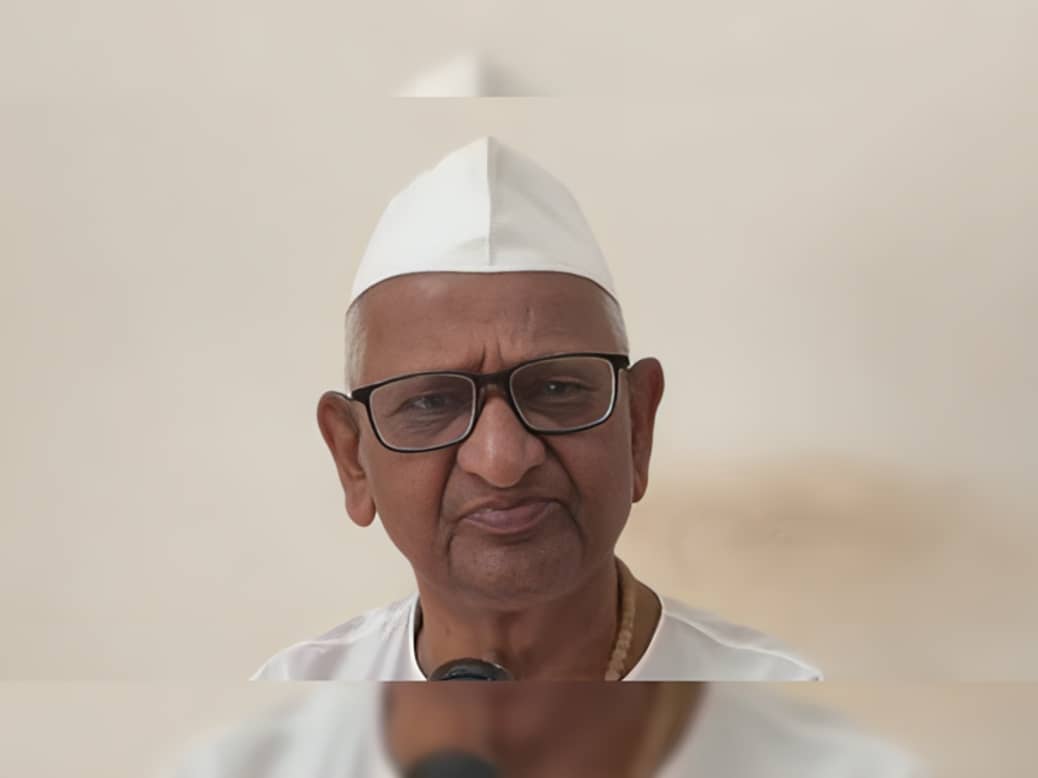
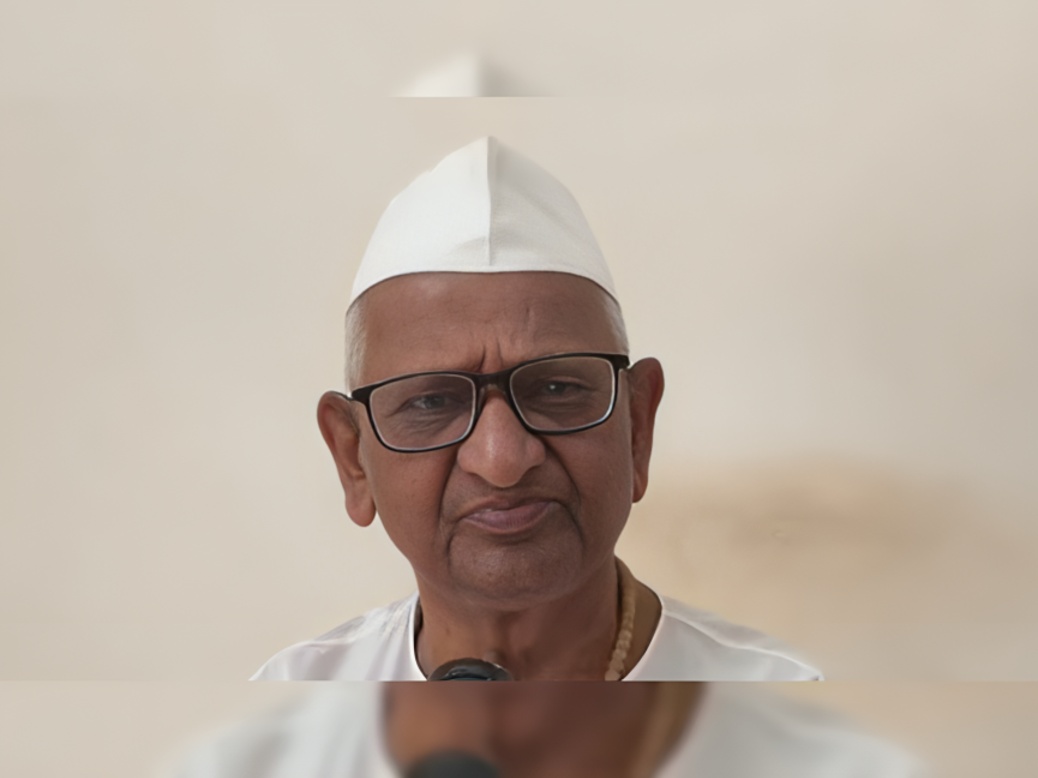
Veteran social activist Anna Hazare has been admitted to the Intensive Care Unit at Bombay Hospital in Mumbai after his health condition deteriorated. The 89 year old activist was shifted to Mumbai for further medical evaluation and treatment after initially receiving care at a hospital near his native village of Ralegan Siddhi in Maharashtra.
According to recent reports, Hazare had developed health complications in the days before his transfer to Mumbai. He was initially admitted to Vedant Hospital in Shirur after experiencing urinary problems. His condition reportedly improved after several days of treatment. However, doctors later observed a rise in his creatinine levels, prompting the decision to move him to Mumbai for more advanced medical care.
Hazare is currently being treated at Bombay Hospital under the supervision of senior physician Dr Gautam Bhansali. Doctors are carrying out detailed diagnostic tests and monitoring his vital parameters. The next course of treatment is expected to be decided after the test results are available.
Reports published on September 1 said Hazare had been admitted to the ICU after his condition worsened. Some reports have described his condition in connection with a viral infection and severe dehydration, while other reports have focused on kidney related complications and elevated creatinine levels. Because the medical evaluation is still underway, the exact nature and severity of his condition should be understood based on official medical updates.
Hazare’s transfer to Mumbai has attracted attention from his supporters and well wishers across Maharashtra and other parts of the country. People associated with Ralegan Siddhi have also been closely following developments concerning his health.
The social activist is widely recognised for his decades long work on rural development, social reform and government accountability. He became a prominent public figure in Maharashtra through his initiatives in Ralegan Siddhi, where he worked on issues including water conservation, village development and social reform.
Hazare later gained national prominence through campaigns relating to transparency and corruption in public life. His role in the 2011 anti corruption movement brought him widespread recognition across India. During that movement, he undertook a hunger strike demanding stronger legislation to address corruption and establish an effective Lokpal system.
The 2011 movement became one of the most significant public campaigns in India in recent decades. Large numbers of people participated in demonstrations and rallies supporting Hazare’s demand for stronger anti corruption measures. The movement also brought several prominent civil society figures into the national political discussion.
Before his national prominence, Hazare had already spent years working on rural development and social issues. His efforts in Ralegan Siddhi became widely discussed as an example of community based development and village level reform.
His public life has also included campaigns related to government transparency and the implementation of the Right to Information. Over the years, he has used hunger strikes and public campaigns as a means of drawing attention to issues that he considered important for society.
The current hospitalisation has once again brought Hazare into the national spotlight, although his immediate health remains the primary concern. Doctors at Bombay Hospital are conducting medical examinations and monitoring his condition before deciding on further treatment.
Reports have indicated that kidney function is among the areas being assessed because of the increase in creatinine levels observed during his earlier treatment. Creatinine is a blood marker commonly used by doctors to assess kidney function, but an elevated level alone does not establish a specific diagnosis. The medical team will determine the significance of the test results in the context of Hazare’s overall condition.
Some reports have also mentioned viral infection and dehydration. Doctors are reportedly conducting further tests to determine the cause of his symptoms and the appropriate treatment.
Hazare’s medical condition has therefore been described differently across early reports, making it important to rely on information released by his doctors or representatives. No final assessment of his condition should be made until the ongoing medical examinations are completed.
The decision to shift him from the earlier hospital to Bombay Hospital was reportedly taken after doctors assessed the need for further treatment and monitoring. Bombay Hospital provides specialised medical facilities and has teams capable of managing complex cases requiring close observation.
At present, Hazare remains under medical supervision. Doctors are expected to review the results of the diagnostic tests before deciding whether any additional treatment or procedures are required.
His supporters have expressed concern following reports of his hospitalisation. However, medical professionals have not indicated that the public should draw conclusions about his condition before the completion of the ongoing tests.
Hazare has remained an influential figure in Indian public life for several decades. His campaigns have focused on corruption, transparency, rural development and social reform. His role in the 2011 anti corruption movement made him a household name and placed the issue of the Lokpal legislation at the centre of national political debate.
Despite his age, Hazare has continued to remain associated with public campaigns and social causes. His health has therefore been closely followed whenever reports of illness have emerged.
The immediate priority is now his medical treatment and recovery. Further information about his condition is expected from the hospital or people close to him after the ongoing medical evaluation.
For now, the confirmed development is that Anna Hazare has been admitted to Bombay Hospital in Mumbai following a deterioration in his health. He is under close medical observation, with doctors conducting tests and assessing his condition.
Reports about kidney related complications, rising creatinine levels, viral infection and dehydration should be attributed to the available medical reports until an official medical statement provides a definitive diagnosis. This approach is important when reporting health related news, particularly when the patient’s treatment is still ongoing.
The latest hospitalisation has also renewed public attention on Hazare’s long public career and his contribution to anti corruption campaigns and rural social reform. His supporters and well wishers are awaiting further updates from his medical team.
The next important development will be the results of the medical tests and the doctors’ assessment of his condition. Until then, Hazare will remain under close observation at Bombay Hospital as he receives further treatment.