
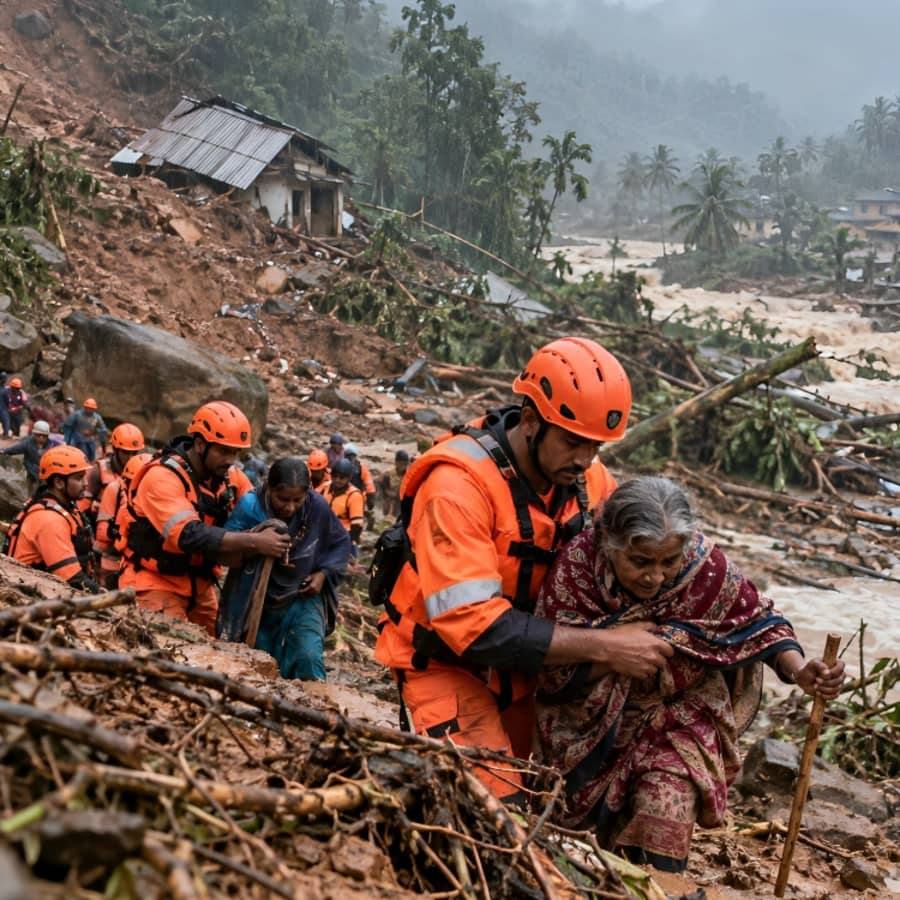
Gidipabali village in Odisha is facing the aftermath of a devastating landslide following heavy rainfall reportedly associated with Cyclone Arnab. The incident occurred on October 28, when a hillside suddenly collapsed, sending large amounts of mud and debris towards nearby residential areas. Several homes were buried under the falling earth, leaving families trapped and the village facing a serious natural disaster.
The sudden collapse has raised concerns about the safety of residents and the damage caused to homes in the affected area. The incident highlights the risks faced by communities living close to hillsides during periods of intense rainfall. When large amounts of rain fall, the ground can become unstable, increasing the possibility of landslides and sudden slope collapses.
Hillside Collapse Buries Homes and Families
According to the supplied report, the hillside in Gidipabali collapsed on October 28 after heavy rainfall. The falling soil, mud and debris moved towards residential areas, burying houses and trapping families beneath the material.
A landslide can cause extensive damage within a short period because the movement of soil and rocks is often sudden. Residents living close to a vulnerable slope may have very little time to move to a safer location once the ground begins to collapse.
The incident has left serious concerns about the condition of affected families and the extent of damage to residential properties. Homes buried under mud and debris may become difficult to access, making it important to establish whether anyone remains trapped.
Heavy Rainfall Increases Landslide Risk
Heavy rainfall is a major factor that can contribute to landslides. When rainwater enters the soil, the ground becomes heavier and may lose some of its stability. On steep or vulnerable slopes, this can cause soil, rocks and other materials to move downhill.
The reported landslide in Gidipabali has been linked to heavy rainfall associated with Cyclone Arnab. The incident demonstrates the potential danger of intense rainfall in areas where residential settlements are located near hillsides.
However, the supplied report does not include rainfall measurements or an official weather assessment explaining the exact conditions that led to the collapse. Further information from weather authorities would be needed to establish the precise connection between the reported cyclone and the landslide.
Families Face an Uncertain Situation
The safety of residents remains the most important concern following an incident of this nature. When homes are buried under mud and debris, families may become trapped or lose access to their belongings and essential household items.
The supplied information states that families were buried in the landslide but does not provide a confirmed number of victims, missing people or survivors. It also does not specify whether all affected residents have been located.
Details about casualties should be based on official confirmation. Without verified information, publishing a specific death toll or the number of missing people could create confusion and spread inaccurate reports.
The damage to residential buildings may also create difficulties for families in the coming days. Residents whose homes have been affected may require temporary accommodation, food, drinking water, medical assistance and other essential support. The exact requirements will depend on the extent of the damage and the number of people affected.
Rescue and Relief Efforts Are Important
After a landslide, the immediate priority is to identify people who may be trapped beneath the debris and ensure that affected residents receive necessary assistance. Rescue teams must also consider the possibility of further soil movement, as unstable ground can remain dangerous even after the initial collapse.
The available report does not provide details about rescue operations, the involvement of emergency services or the response from Odisha authorities. It also does not confirm whether evacuation arrangements or temporary shelters have been established for affected families.
An assessment of the damaged houses and surrounding hillside would be important before residents are allowed to return to potentially unsafe locations. Authorities would need to examine the stability of the ground and identify areas where further landslides could occur.
Importance of Safety Measures During Heavy Rainfall
The incident in Gidipabali highlights the importance of taking precautions in areas vulnerable to landslides. Communities located near steep slopes need timely weather information and clear warnings when heavy rainfall creates dangerous conditions.
Cracks appearing in the ground, unusual movement of soil, leaning trees and changes in water flow can sometimes indicate slope instability. Residents who notice such warning signs should report them to local authorities and follow official safety instructions.
Local disaster management teams also play an important role in identifying vulnerable locations, informing residents and arranging evacuation when necessary. Proper communication and preparedness can help reduce the risks associated with sudden landslides.
Further Details About the Disaster Awaited
The landslide in Gidipabali village has raised serious concerns following the reported collapse of a hillside on October 28. Heavy rainfall associated with Cyclone Arnab has been identified in the supplied report as the weather condition linked to the incident.
The collapse reportedly buried homes and families under mud and debris, leaving the village to deal with the consequences of the disaster. However, the available information does not confirm the number of casualties, missing residents, damaged houses or the progress of rescue operations.
Further official information is needed to understand the full impact of the incident and the assistance being provided to affected families. Details from local authorities and disaster management officials would help establish the extent of the damage and the condition of residents.
The immediate priorities are to confirm the safety of affected families, assess damaged homes, identify possible risks from further landslides and provide necessary relief. The incident serves as a reminder of the serious dangers that heavy rainfall can create for communities living near unstable hillsides.


