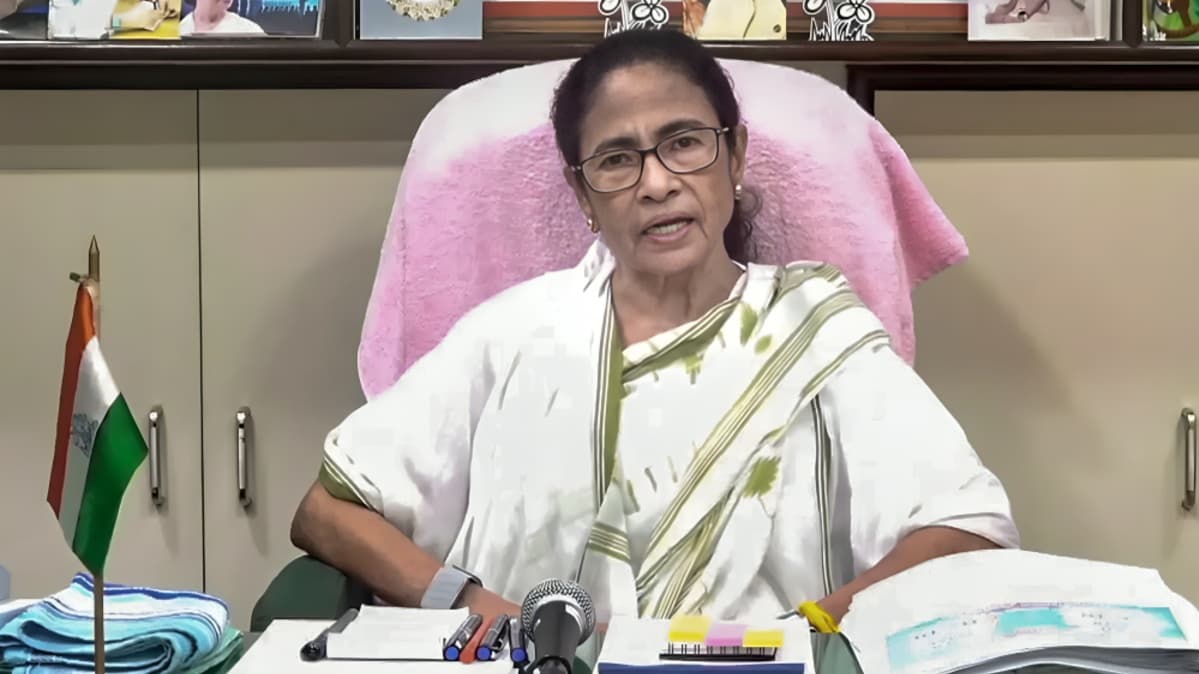
West Bengal Chief Minister Mamata Banerjee participated in a cultural programme held in Kolkata to commemorate the 164th birth anniversary of Rabindranath Tagore, one of India’s most revered poets, philosophers, and Nobel laureates. The event, organized by the state government, drew artists, writers, scholars, students, and members of the public to pay tribute to Tagore’s enduring legacy.
Rabindranath Tagore, born on May 7, 1861, is celebrated not only for his poetic brilliance but also for his contributions to education, music, art, and national identity. His works continue to inspire generations across India and around the world. Tagore was the first non-European to win the Nobel Prize in Literature in 1913, and his songs are deeply embedded in Bengali and Indian culture. India’s national anthem “Jana Gana Mana” was composed by him.
The commemorative event took place at Rabindra Sadan and included a variety of performances of Rabindra Sangeet (Tagore’s songs), recitations, and dance presentations based on his works. The atmosphere was deeply cultural and reflective, as the state paid homage to one of its most iconic figures.
In her address, Chief Minister Mamata Banerjee spoke passionately about Tagore’s multifaceted legacy. She described him as a global thinker whose messages on peace, harmony, and creativity are more relevant than ever. She called upon the younger generation to study Tagore not just for his literary genius but also for the values he promoted through his life and work.
Banerjee also highlighted the state government’s ongoing initiatives to preserve and promote Tagore’s heritage, including support for institutions such as Visva-Bharati University in Santiniketan, which was founded by Tagore himself. She emphasized the importance of cultural education and said that Tagore’s teachings should be integrated more deeply into the academic curriculum to instill values of compassion, unity, and artistic expression.
Throughout the event, scholars and cultural icons shared their thoughts on Tagore’s global influence. Exhibits displaying rare photographs, letters, and manuscripts from Tagore’s life were also part of the program. Students from various schools and colleges participated in competitions and performances, showcasing how Tagore’s legacy continues to live through the younger generation.
Security and organizational arrangements were meticulously handled to accommodate the large turnout. The event concluded with a choral rendition of Tagore’s songs that received warm applause from the audience.
The celebration served as a reminder of how Rabindranath Tagore continues to be a cornerstone of Bengal’s identity and India’s cultural heritage. With the Chief Minister herself leading the tribute, the message was clear — Tagore’s thoughts remain timeless and essential for the present and future of Indian society.